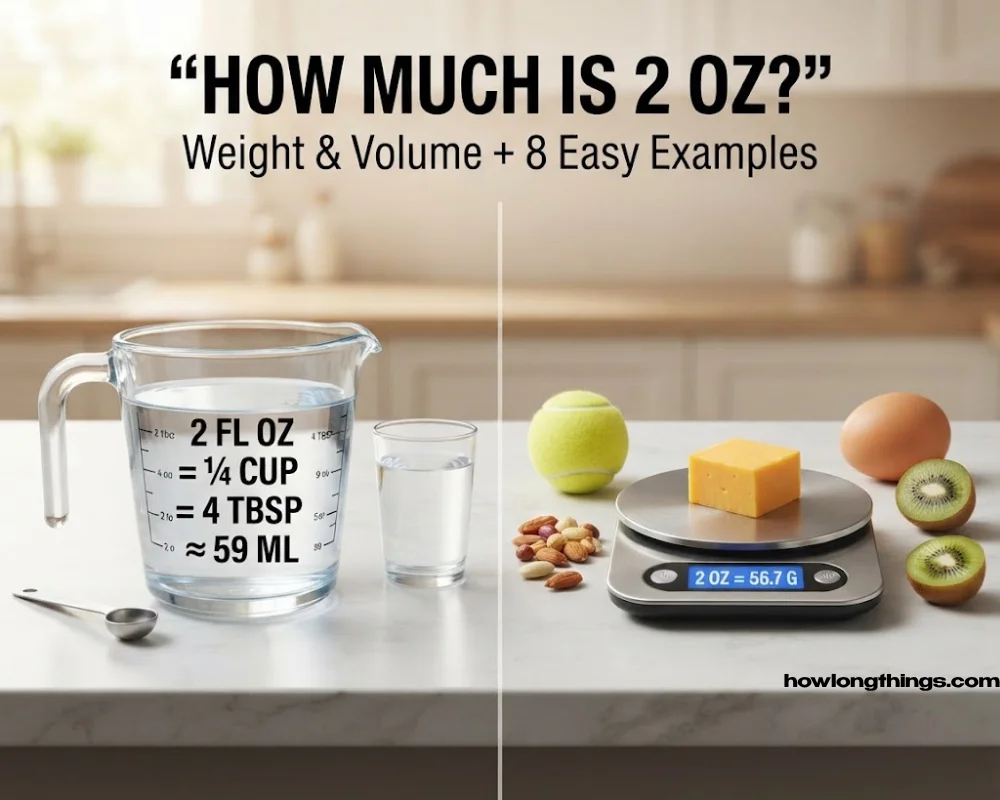
How much is 2 oz? It’s one of the most common kitchen and shopping questions in the US, and the short answer is simple: 2 oz equals ¼ cup in volume, or about 56.7 grams in weight. But the exact amount changes depending on whether you’re measuring a liquid or a solid ingredient.
This guide breaks down 2 oz to cups, tablespoons, milliliters, and grams, using clear formulas and real conversion charts. You’ll also find 8 easy, real-world examples so you can picture exactly how much 2 oz looks like, even without a scale.
Table of Contents
Quick Answer — How Much Is 2 Oz?
In short, 2 fluid ounces equal ¼ cup, 4 tablespoons, or about 59 milliliters. For weight, 2 dry ounces equal roughly 56.7 grams. The right answer depends on whether you’re measuring a liquid (volume) or a solid ingredient (weight) — a distinction that trips up a lot of home cooks.
Both numbers matter for different tasks. Volume conversions (cups, tablespoons, milliliters) work for liquids like water, milk, or oil. Weight conversions (grams) work for solids like flour, sugar, or meat, since these ingredients pack differently depending on density.
⚠ This calculator needs JavaScript to run, and it hasn't started yet. If the page has fully loaded and you still see this message, a caching/performance plugin on this WordPress site (commonly WP Rocket's “Delay JavaScript execution,” Autoptimize/Perfmatters JS optimization, or Cloudflare “Rocket Loader”) is likely blocking or delaying this script. Add an exclusion for this block/script in that plugin's settings, then reload.
MEASUREMENT TOOL
Unit Converter
Convert length, weight, temperature, currency and 15 more categories — instantly, free, no sign-up.
About Length Conversion
Length is a measure of distance. In the International System of Units (SI), the base unit for length is the meter, while imperial and US customary systems primarily use the inch, foot, yard, and mile. This tool converts instantly between all common metric and imperial length units.
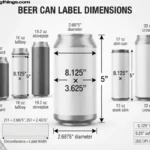
Object & Container Dimensions
Common everyday items and their typical size, for quick real-world reference.
Sizes are typical/standard values and can vary slightly by brand or manufacturer.
Frequently Asked Questions
How accurate is this converter?
This tool uses internationally defined conversion factors (SI and NIST standards) and calculates results to 10 significant digits, so results are suitable for everyday, academic, and professional use.
Can I convert in both directions?
Yes. Use the swap button between the two fields to instantly reverse the conversion direction.
Is this converter free to use?
Yes, this converter is completely free, works on any device, and requires no sign-up or download.
How long is 6 inches, 12 inches, or other common lengths?
Use the Popular Searches row above while on the Length tab — tap any inch or foot value (like 6 in, 12 in, 24 in, 36 in) to see it instantly converted to centimeters and other units, alongside a full reference table.
Rates for currency update live via a public exchange-rate feed. All other conversions are calculated locally in your browser.
2 Oz to Cups, Tablespoons & Milliliters (Conversion Chart)
Every US customary volume conversion starts from the same rule: 1 cup holds 8 fluid ounces. To turn ounces into cups, simply divide by 8. For 2 oz, that’s 2 ÷ 8, which equals ¼ cup, or 0.25 cup in decimal form.
The US fluid ounce is legally defined as exactly 29.5735295625 milliliters, based on the US gallon standard. For everyday cooking and food labeling, the U.S. Food and Drug Administration rounds this to a simpler figure: 1 fluid ounce equals 30 milliliters for nutrition labeling purposes.
Fluid Ounces
Cups
Tablespoons
Teaspoons
Milliliters
1 fl oz
1/8 cup
2 tbsp
6 tsp
~30 ml
2 fl oz
1/4 cup
4 tbsp
12 tsp
~59 ml
4 fl oz
1/2 cup
8 tbsp
24 tsp
~118 ml
8 fl oz
1 cup
16 tbsp
48 tsp
~237 ml
So, is 2 oz equal to 2 tablespoons? No — 2 fluid ounces actually equal 4 tablespoons, not 2. Mixing up ounces and tablespoons is one of the most common measuring mistakes in home kitchens, so it’s worth double-checking before you pour.
2 Oz in Grams: Weight vs. Fluid Ounce Explained
A fluid ounce measures volume — how much space something takes up. A dry ounce measures weight — how heavy something is. Water is the one ingredient where these two roughly line up, which is why 2 fluid oz of water and 2 dry oz of water both come out close to ¼ cup.
For solid or dry ingredients, the FDA sets 1 ounce equal to 28 grams for nutrition labeling purposes, so 2 oz comes to about 56 grams. The more precise weight conversion (2 oz × 28.35 g) works out to 56.7 grams.
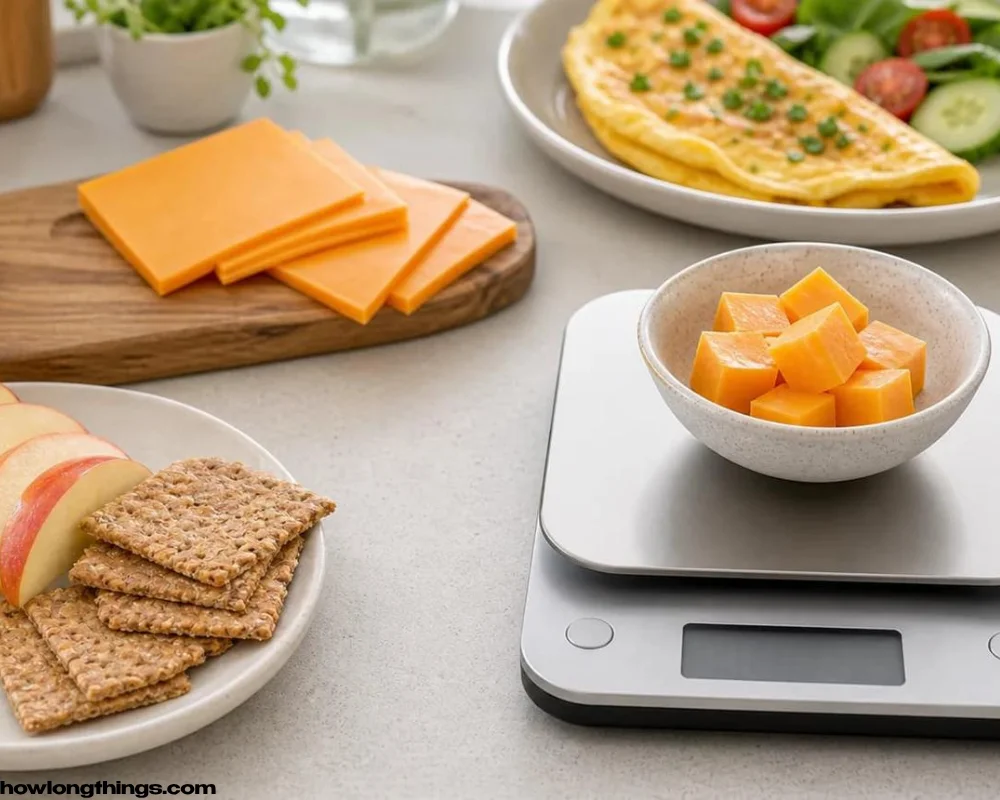
This is exactly why a kitchen scale gives more accurate results than a measuring cup for ingredients like flour, sugar, or shredded cheese. Their density changes how much volume the same weight takes up, so weight and volume rarely match evenly for anything besides water.
2 Oz of Common Ingredients (Sugar, Flour, Pasta, Cheese & More)
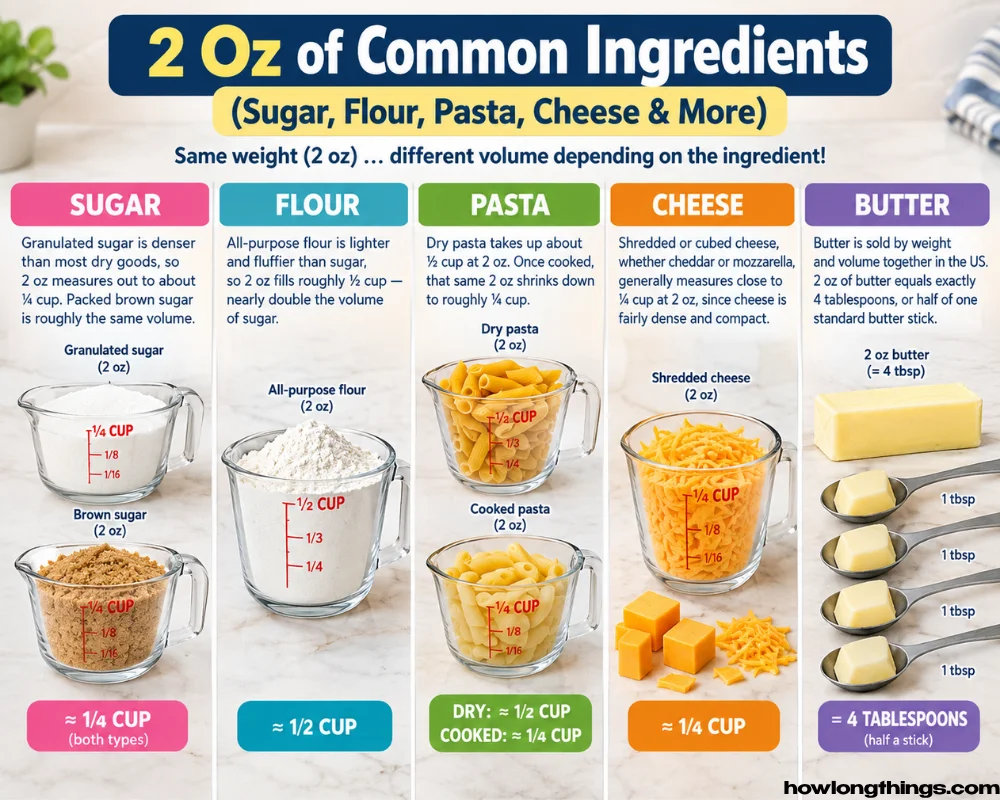
Because density varies by ingredient, 2 oz looks different in a measuring cup depending on what you’re scooping. Here’s how it breaks down for ingredients used in everyday US recipes.
2 Oz of Sugar
Granulated sugar is denser than most dry goods, so 2 oz measures out to about ¼ cup. Packed brown sugar comes in at roughly the same volume.
2 Oz of Flour
All-purpose flour is lighter and fluffier than sugar, so 2 oz fills roughly ½ cup — nearly double the volume of sugar at the same weight.
2 Oz of Pasta
Dry pasta takes up about ½ cup at 2 oz. Once it’s cooked and has absorbed water, that same 2 oz shrinks down to roughly ¼ cup.
2 Oz of Cheese
Shredded or cubed cheese, whether cheddar or mozzarella, generally measures close to ¼ cup at 2 oz, since cheese is fairly dense and compact.
2 Oz of Butter
Butter is sold by weight and volume together in the US. 2 oz of butter equals exactly 4 tablespoons, or half of one standard butter stick.
What Does 2 Oz Look Like? 8 Easy Everyday Examples
Numbers are useful, but a visual comparison makes 2 oz easier to picture, especially when there’s no scale or measuring cup within reach.
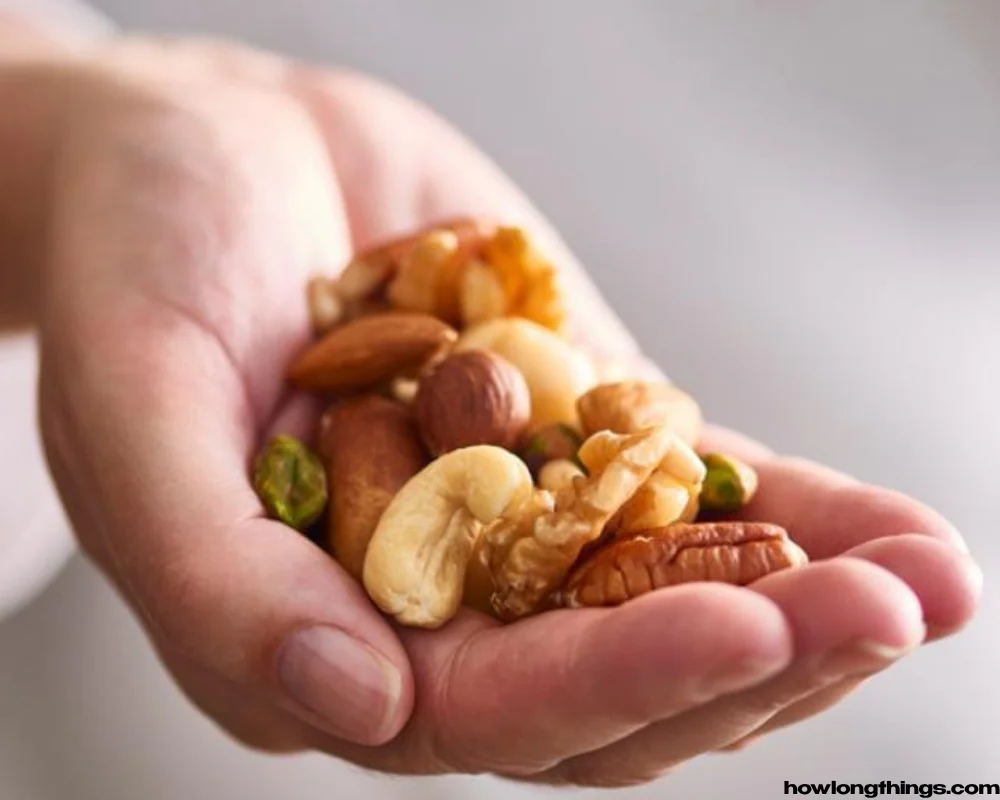
A Small Handful of Snacks
Cupping your palm loosely, 2 oz of most snack foods — nuts, pretzels, or chips — fills roughly one closed handful.
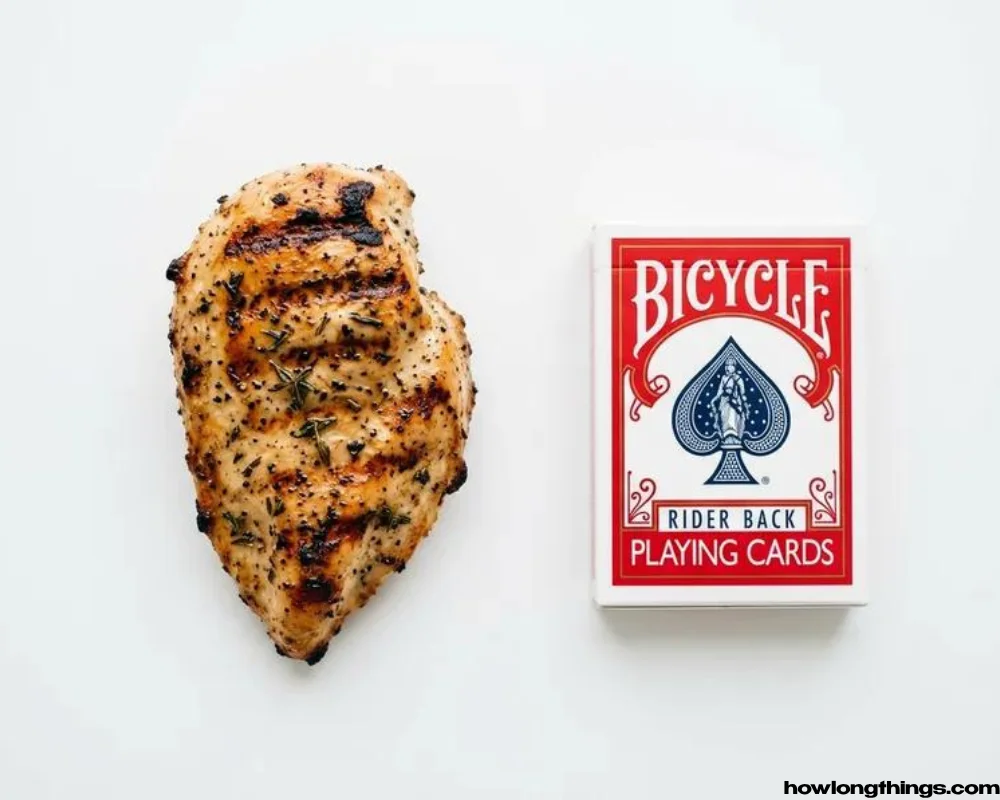
Half a Deck of Playing Cards
For meat and cheese portions, 2 oz is close in size to about half a standard deck of playing cards, a common visual trick used for portion control.
A Shot Glass and a Half
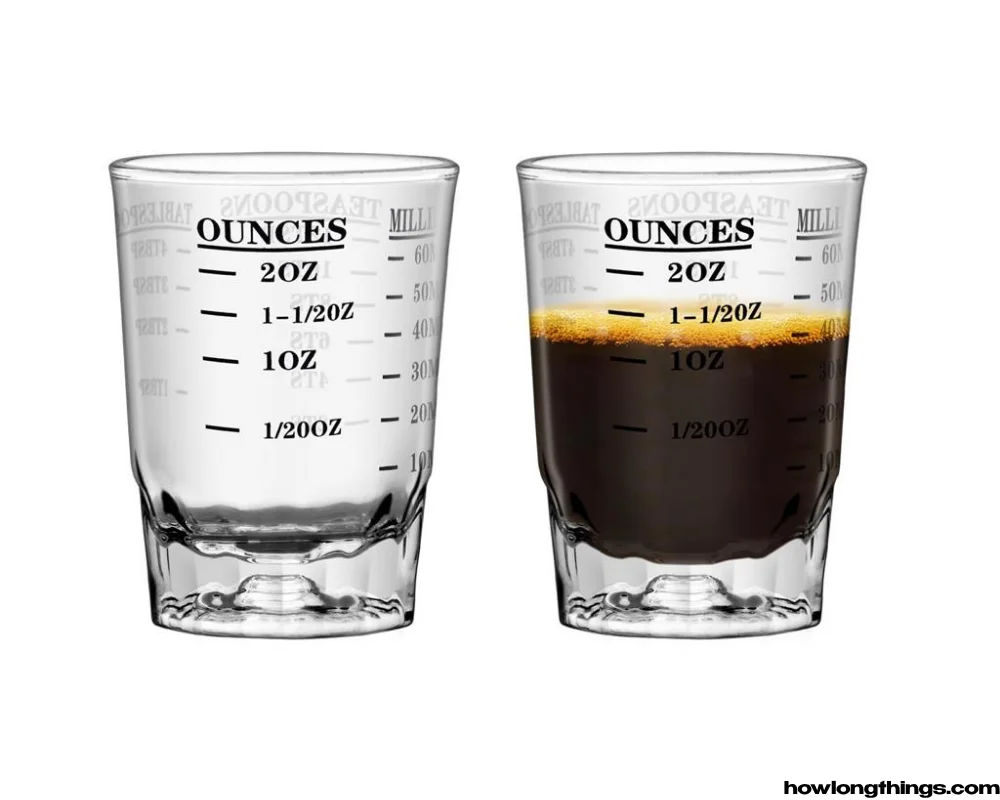
Since a standard US shot glass holds 1.5 oz, 2 oz of liquid is just a bit more than one full shot glass.
A Regulation Tennis Ball
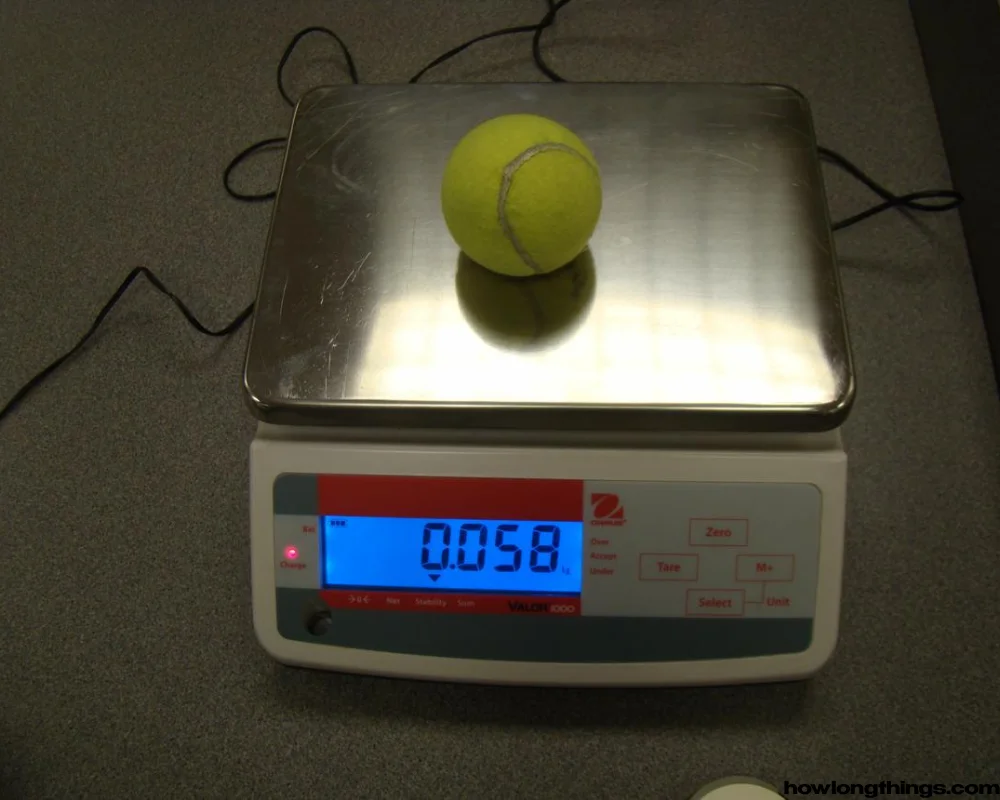
According to official ITF ball specifications, a regulation tennis ball weighs between 56.0 and 59.4 grams — almost an exact match for 2 oz in weight.
One USDA Large Egg
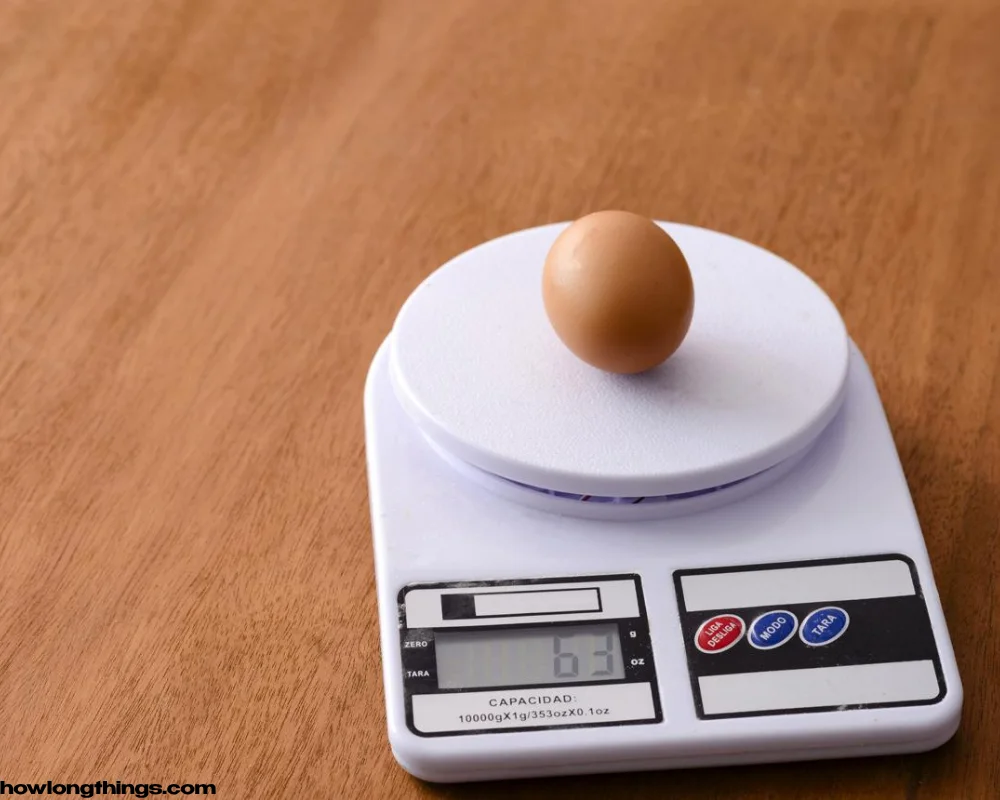
Under USDA shell egg standards, large eggs must weigh a minimum of 24 ounces per dozen — exactly 2 oz per egg, shell included.
Two Large Ice Cubes
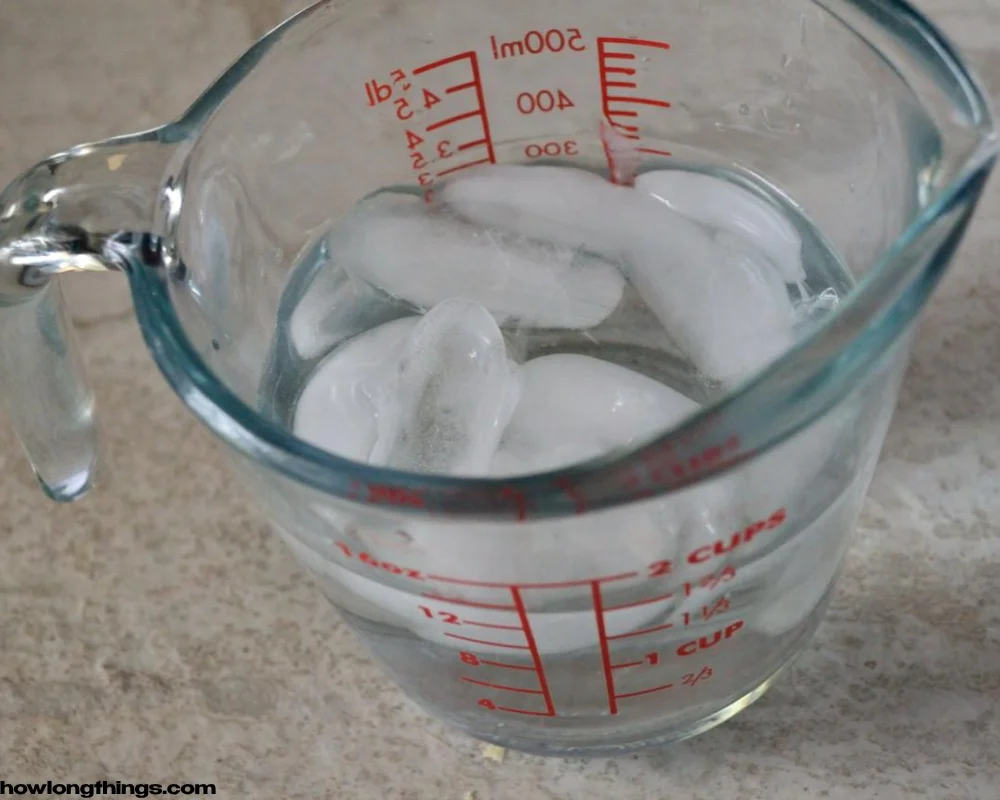
Once melted, 2 oz of water is close to the volume produced by two large standard ice cubes from a home freezer tray.
A Small Matchbox of Cheese
A cube of cheese roughly the size of a small matchbox comes close to 2 oz in weight, a handy comparison for portioning cheese without a scale.
A Small Kiwi or Plum
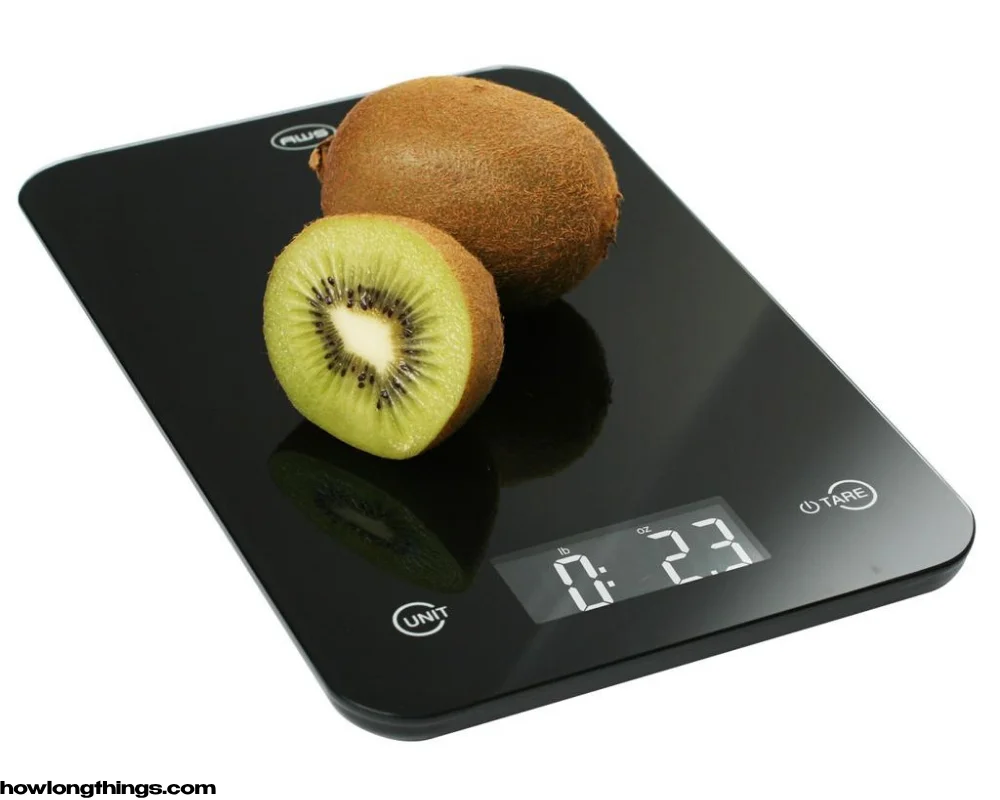
Whole, a small kiwi or plum weighs close to 2 oz, making fruit an easy everyday reference point for weight.
FAQs About 2 Oz Conversions
What is 2 oz equal to in cups?
2 oz is equal to ¼ cup for liquids like water, milk, or oil. For dry ingredients, the cup measurement changes based on density.
Is 2 oz equal to 2 tablespoons?
No. 2 fluid oz equals 4 tablespoons, not 2. One fluid ounce equals 2 tablespoons, so doubling that gives 4 tablespoons for 2 oz.
How much is 2 oz in ml?
2 oz equals about 59 milliliters using the precise US fluid ounce conversion, or 60 milliliters using the FDA’s rounded nutrition-labeling standard.
Is 2 oz a 1/4 cup?
Yes. 2 fluid ounces equal exactly ¼ cup, since 1 cup always equals 8 fluid ounces in the US customary system.
Does 1 cup equal 2 oz?
No. 1 cup equals 8 fluid ounces, not 2. A cup is four times larger than 2 oz in volume.
What does 2 oz look like?
2 oz looks like a small handful of snacks, half a deck of cards, a regulation tennis ball, or one large USDA egg — all close, everyday comparisons for this exact weight or volume.
Conclusion
How much is 2 oz really comes down to what you’re measuring. For liquids, it’s ¼ cup or 4 tablespoons. For solids, it’s close to 56.7 grams, though the exact cup measurement shifts with each ingredient’s density. Keep this guide handy, and you’ll never second-guess a 2 oz measurement in the kitchen again.
Elizabeth Queen is a Owner and consumer research writer at HowLongThings.com, specializing in product lifespan, durability, and everyday household research. She’s passionate about helping readers make smarter, longer-lasting buying decisions.