Five inches is one of those numbers that sounds clear on paper but gets fuzzy the moment you need to picture it. You order something online, check the size chart, and still end up guessing.
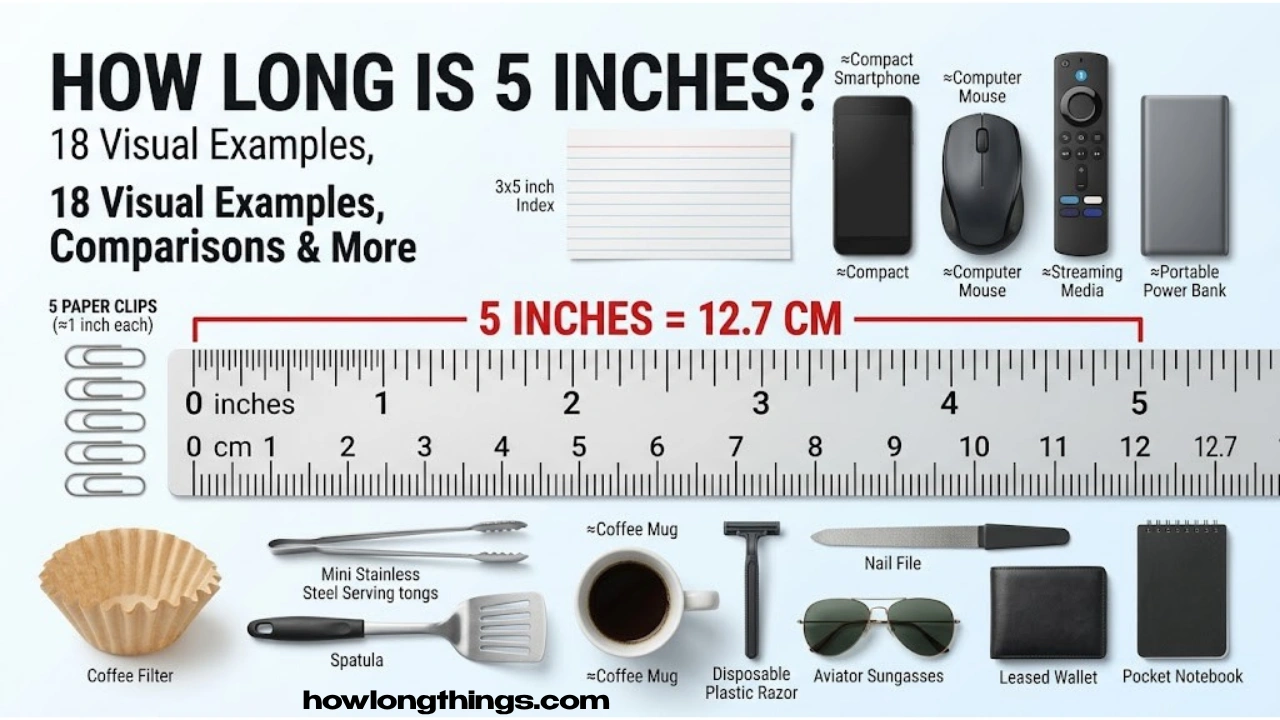
Here’s the fix: 5 inches equals 12.7 centimeters, 127 millimeters, and 0.42 feet — an exact conversion set by the 1959 international yard and pound agreement, which fixed 1 inch at precisely 2.54 cm. Once you tie that number to real, familiar measured objects, it stops being abstract.
After reading this blog post you will be able to tell anyone how long is 5 inches.
Table of Contents
What Does 5 Inches Look Like?
Picture the width of an open adult hand, minus the thumb. Or think of a standard TV remote lying flat on your coffee table. That’s what 5 inches looks like in the real world — not tiny, not large, just a comfortable, pocket-friendly length.
Unit
Value
Inches
5 in
Centimeters
12.7 cm
Millimeters
127 mm
Feet
0.42 ft
Meters
0.127 m
A quick mental shortcut: multiply any inch figure by 2.54 to get centimeters. It’s an exact ratio, not a rounded estimate, so it works every time.
18 Everyday Objects That Are 5 Inches Long
Numbers stick better when they’re anchored to things you already touch daily. Below are 18 5 inch examples, grouped by category so you can jump to whatever’s most useful.
Tech & Gadgets
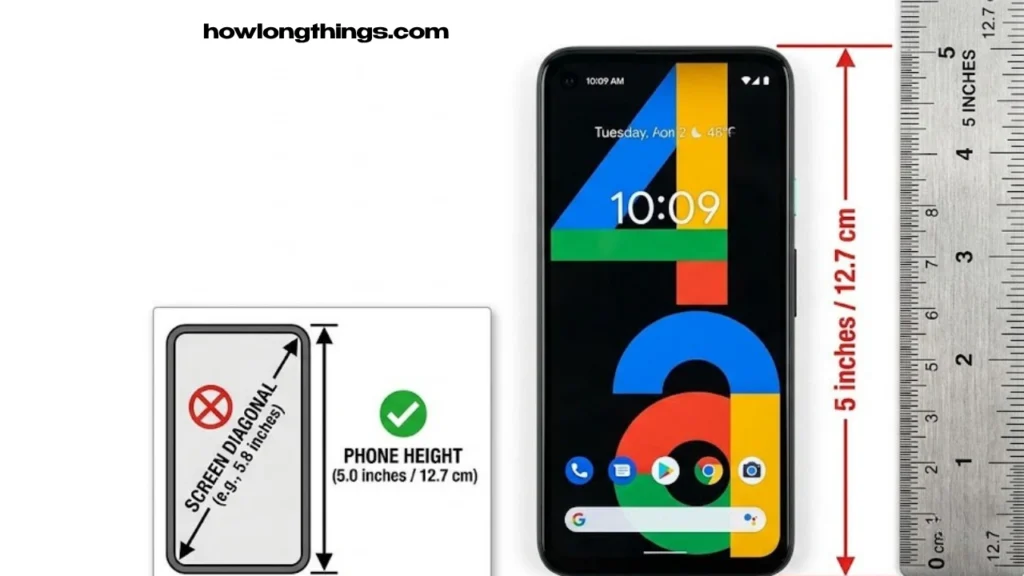
Compact smartphone. Older and budget-friendly phone models often measure close to 5 inches tall, which is why that screen size was once the industry sweet spot for one-handed use.
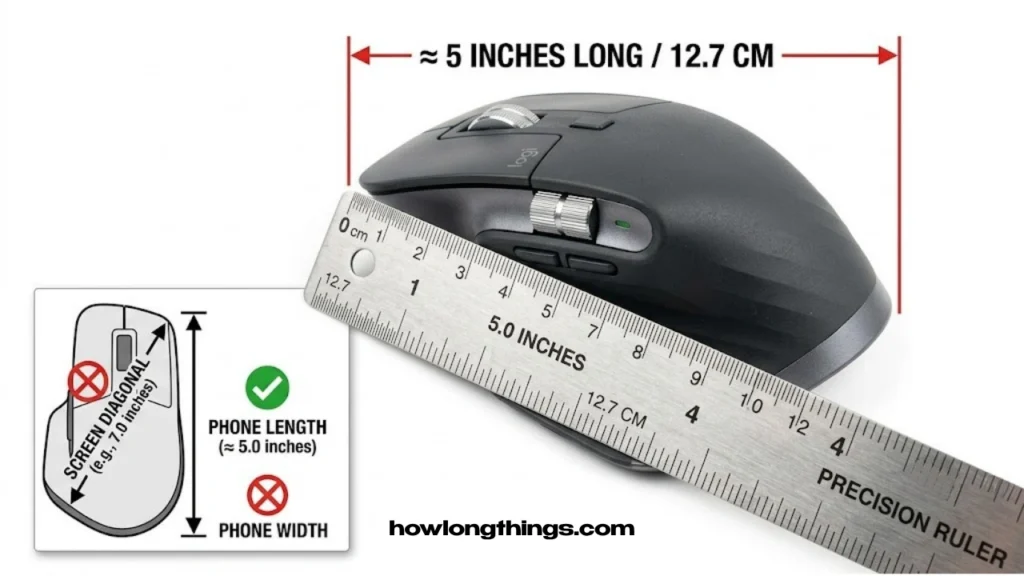
Computer mouse. Ergonomic research shaped this size — a mouse around 5 inches long matches the natural resting curve of an average palm.
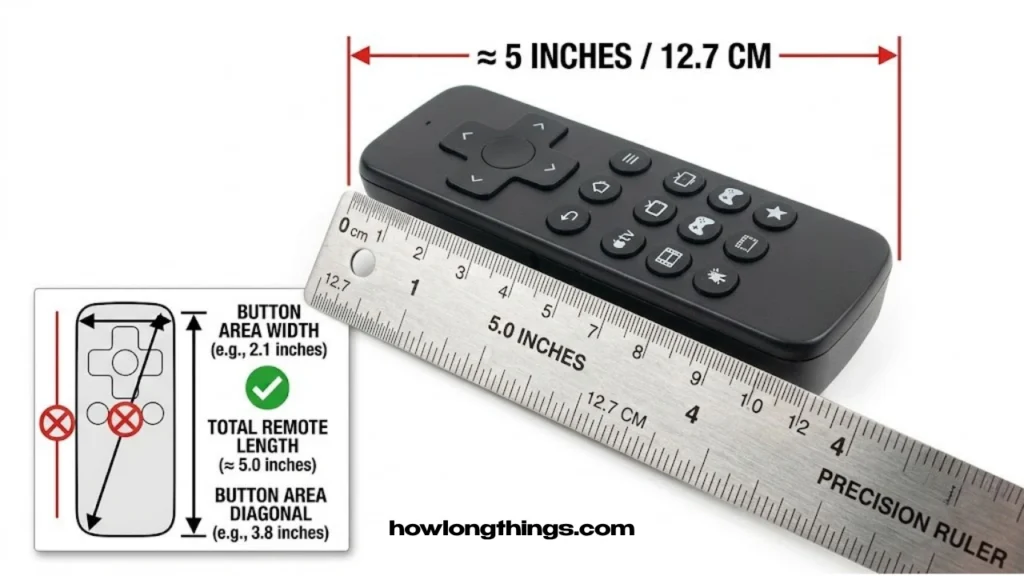
Streaming remote. Mini remotes for devices like Roku or Fire TV sit right around this length, built to hide all the essential buttons without adding bulk.
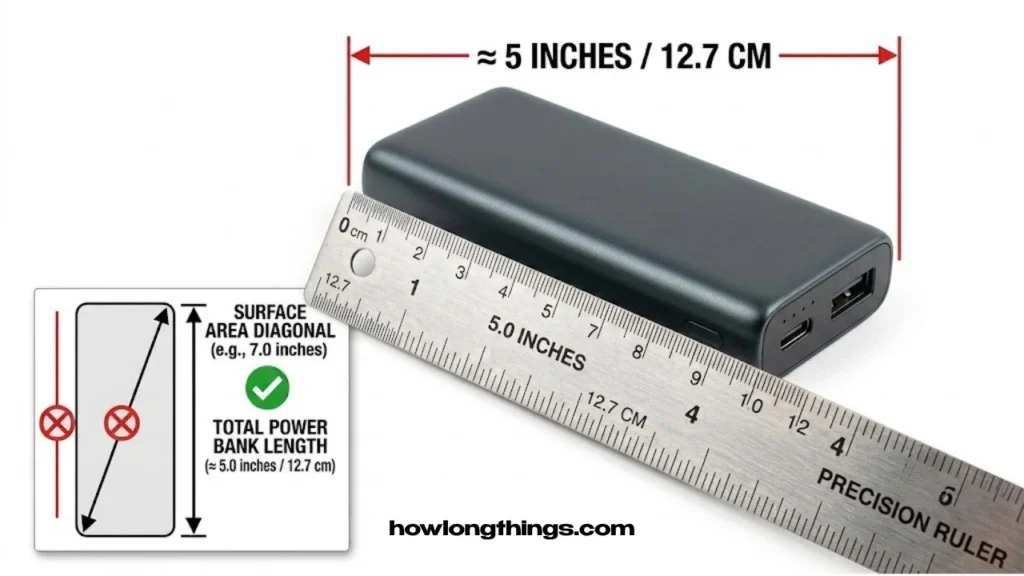
USB power bank. Slim power banks hover near 5 inches so they slide into a pocket or bag side pocket without adding noticeable weight.
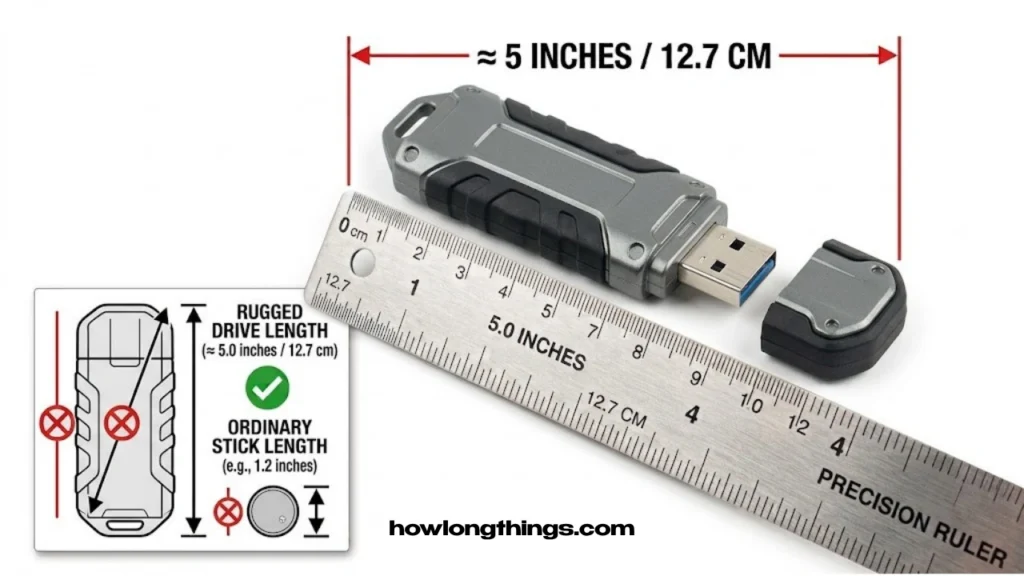
Flash drive (larger models). Rugged or high-capacity drives with protective casings often stretch close to this mark.
Kitchen & Household
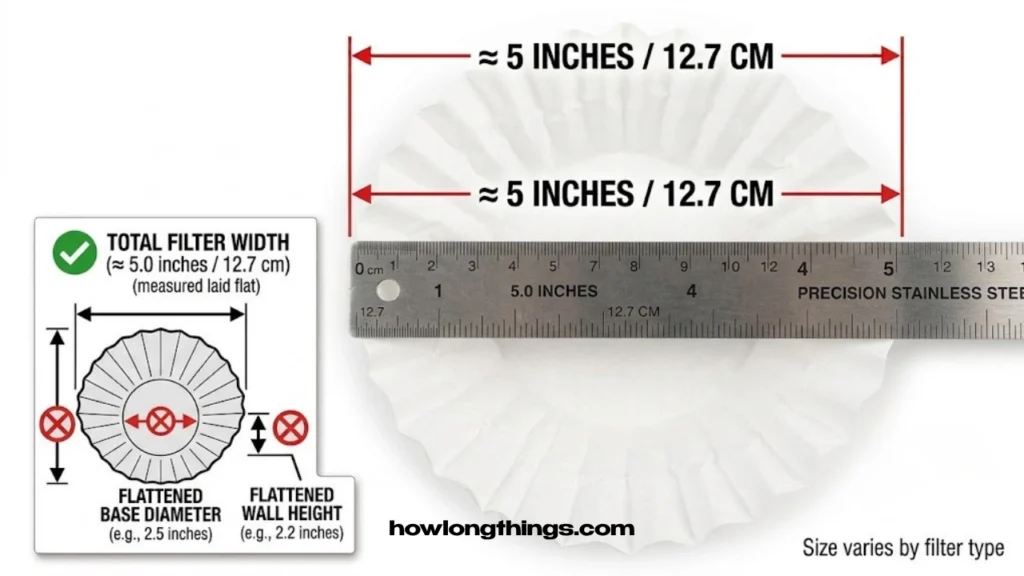
4-cup coffee filter. Laid flat, the base of a standard basket filter spans almost exactly 5 inches — a handy stand-in for judging small appliance footprints.
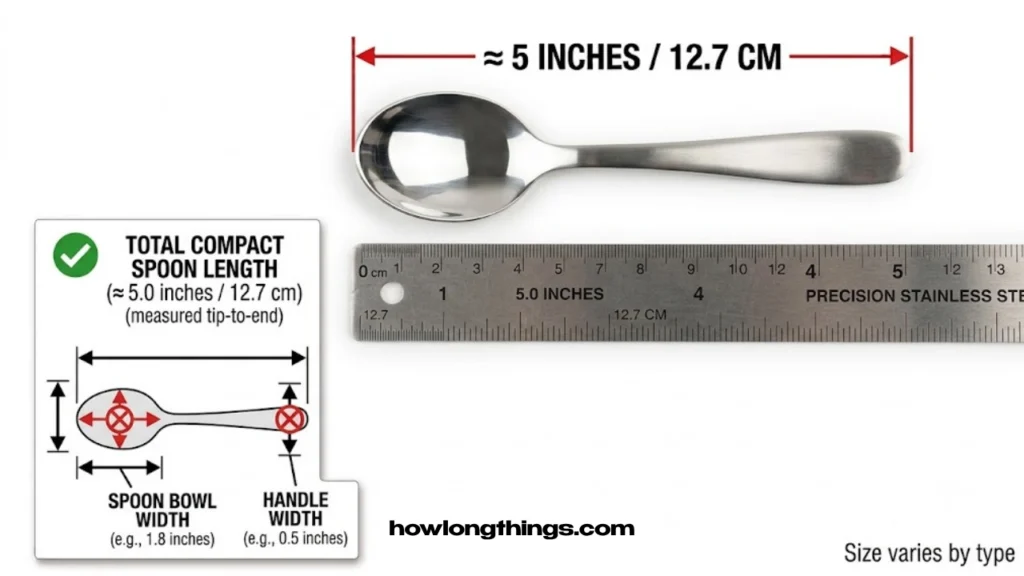
Large serving spoon. Many stirring or serving spoons run close to 5 inches from bowl tip to the start of the handle grip.
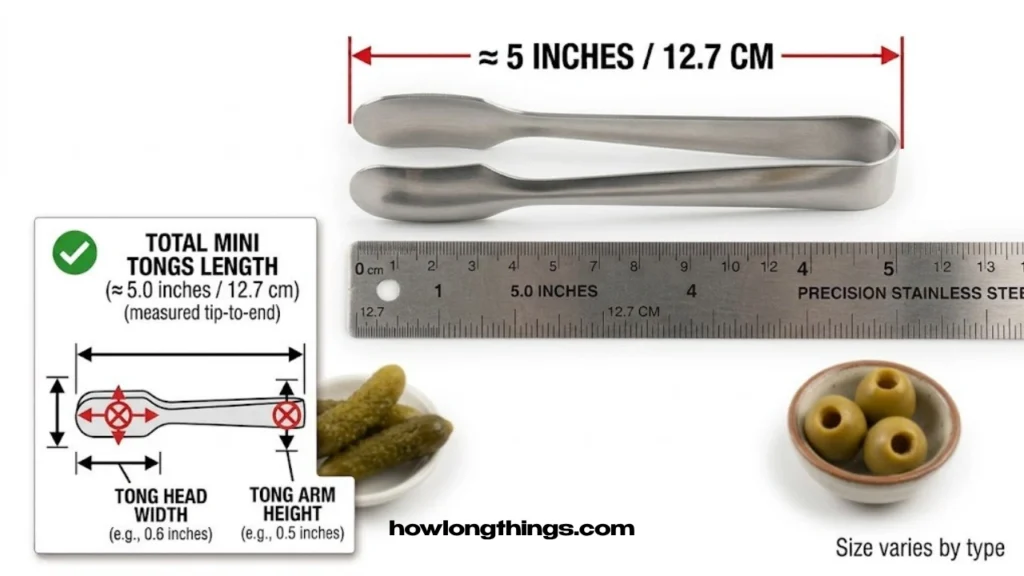
Mini serving tongs. Tongs built for olives, pickles, or sugar cubes are sized around 5 inches — long enough to reach a jar bottom, short enough to stay balanced on a dish rim.
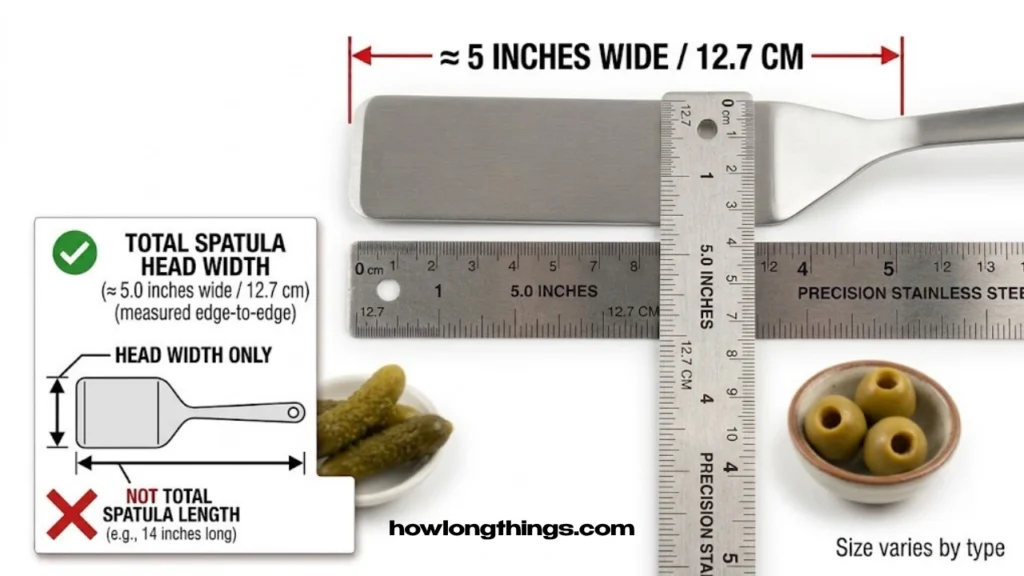
Spatula head. The flat, food-flipping end of a standard spatula is often close to 5 inches wide.
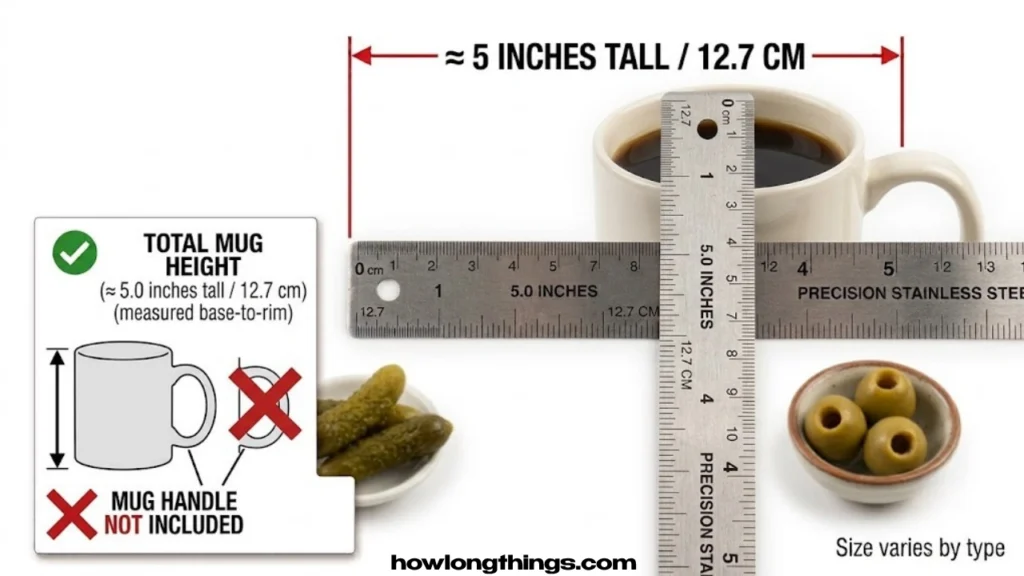
Coffee mug. Most mugs stand somewhere between 4 and 5 inches tall, sized to fit comfortably under a standard drip machine.
Personal Care & Everyday Carry
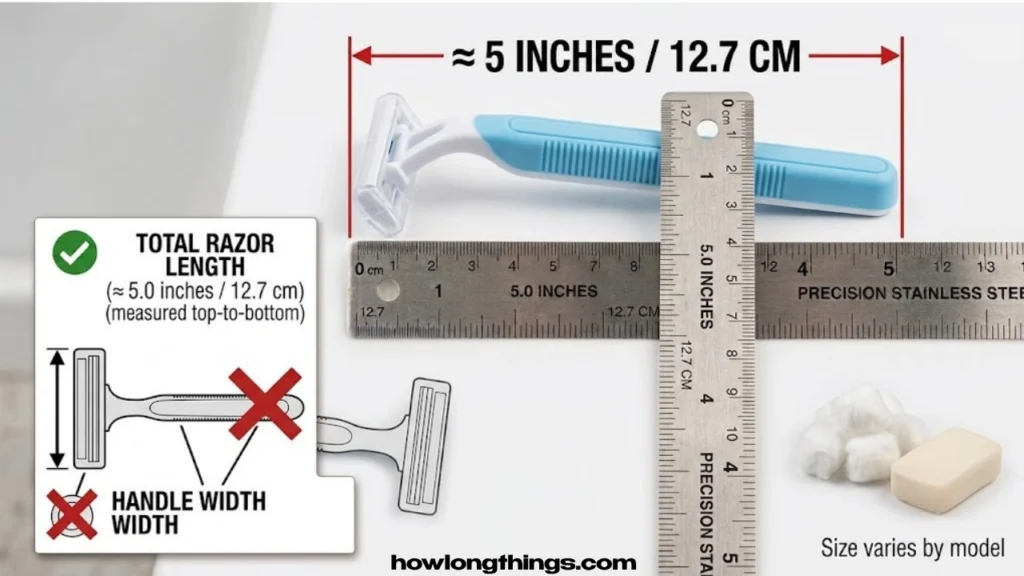
Disposable razor. A Bic or Gillette-style razor measures 5 inches from blade guard to handle base — a length chosen for shaving control, not chance.
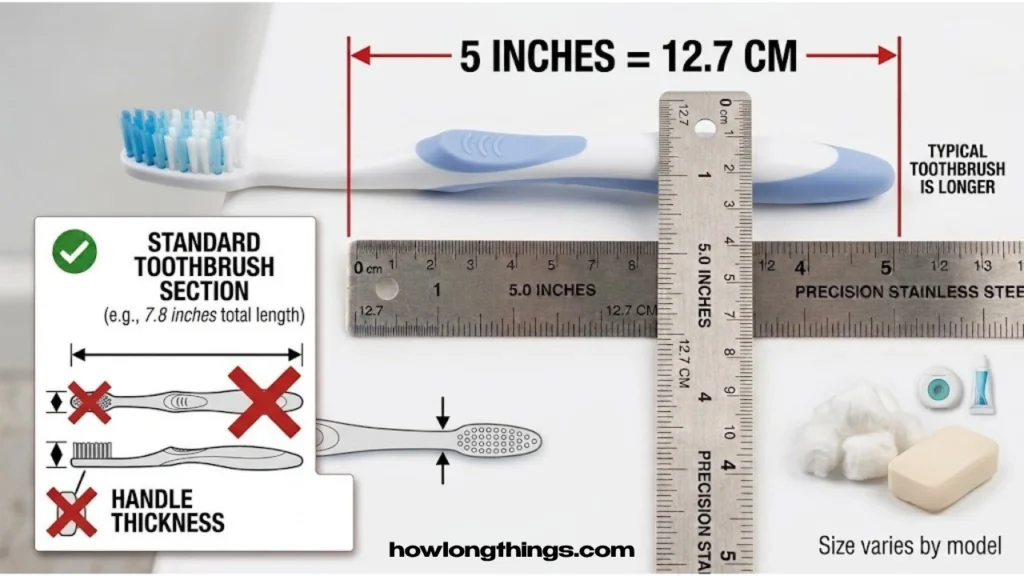
Toothbrush handle. A manual toothbrush typically runs about 5 inches, long enough for grip, short enough for a bathroom cup.
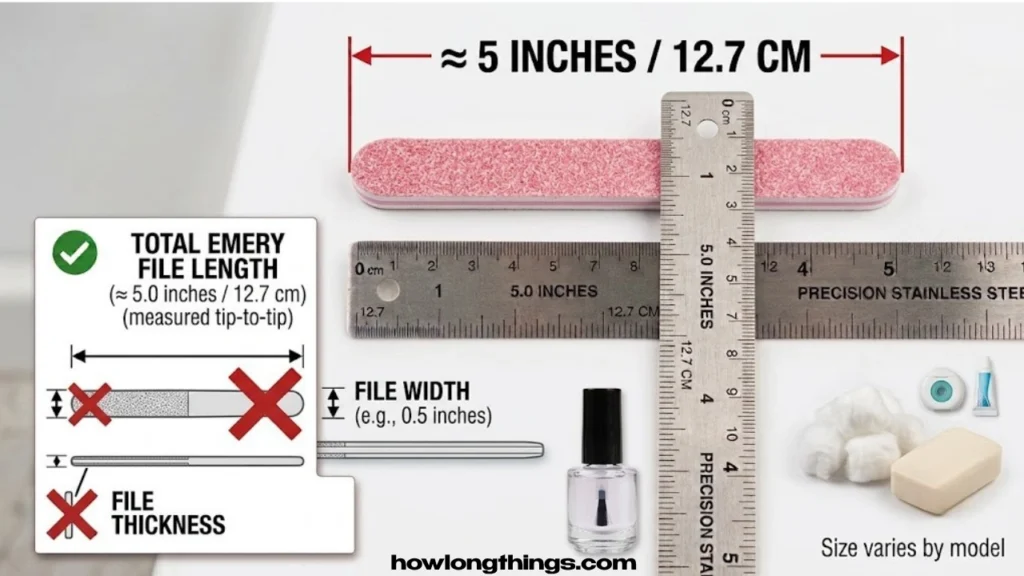
Nail file. Around 5 inches long, this length balances filing control with portability in a makeup bag.
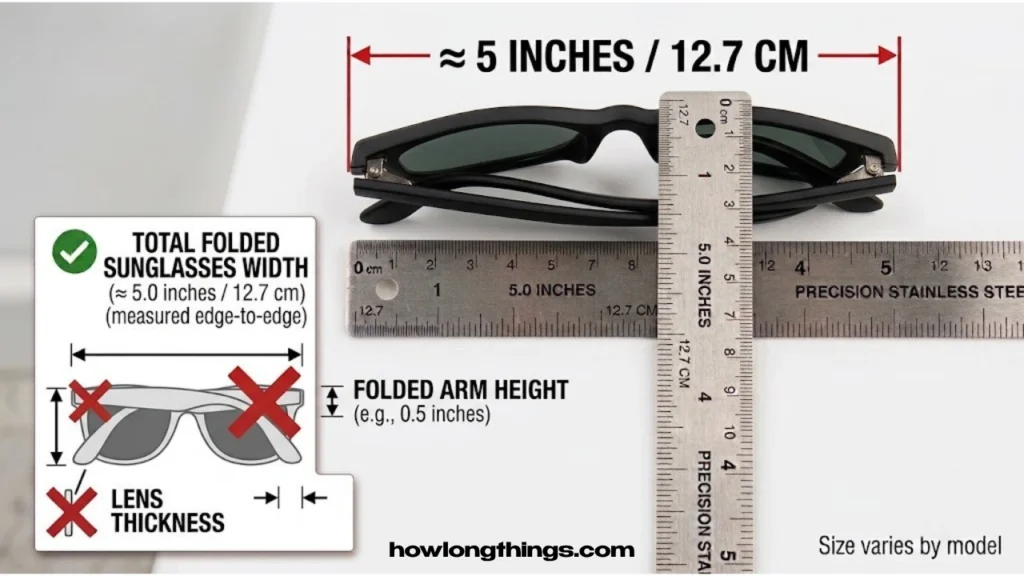
Folded sunglasses. Closed, most sunglasses land close to 5 inches — sized specifically to slide into a hard-shell case.
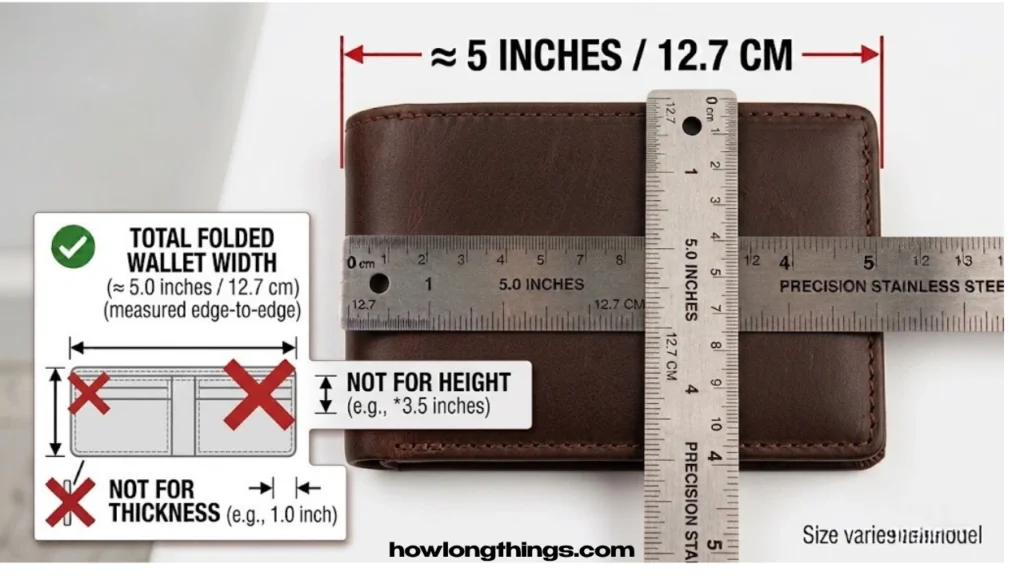
Closed wallet. Many wallets measure close to 5 inches along the longest folded edge, built for a snug pocket fit.
Office, Stationery & Money-Adjacent
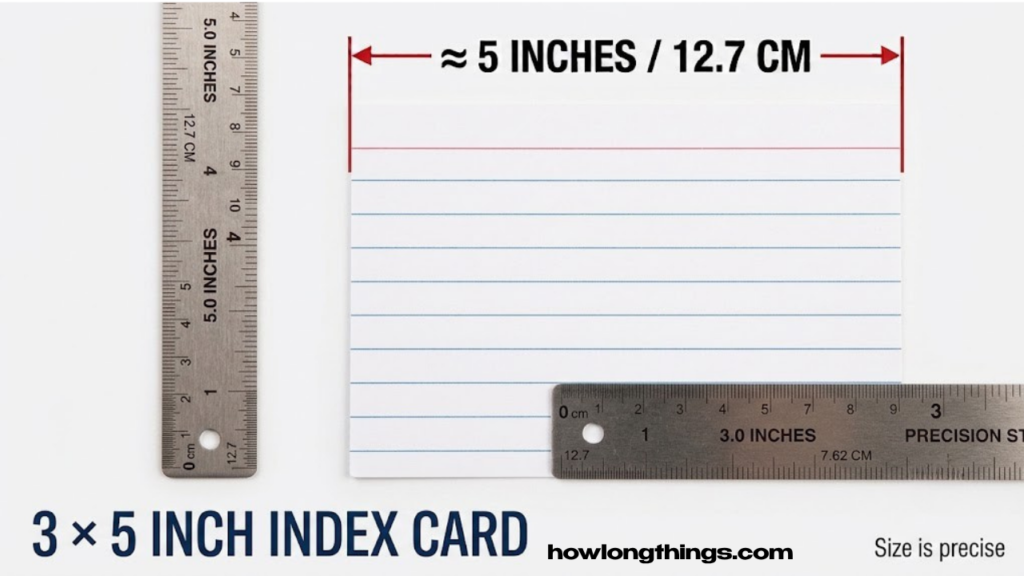
Standard index card. The classic 3×5 card is exactly 5 inches along its long side — a size that’s been an office and study standard for decades because it’s easy to write on and quick to shuffle.
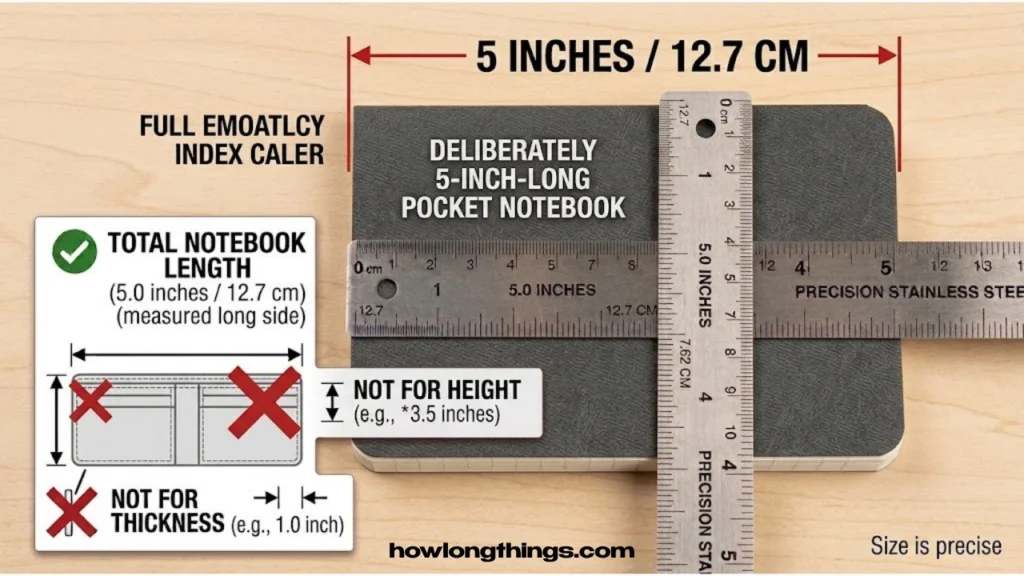
Pocket notebook. Small notebooks people carry in a jacket or bag typically run about 5 inches on the longer side.
Envelope (short side). The short edge of a standard mailing envelope sits close to 5 inches — a useful flat, rigid reference.
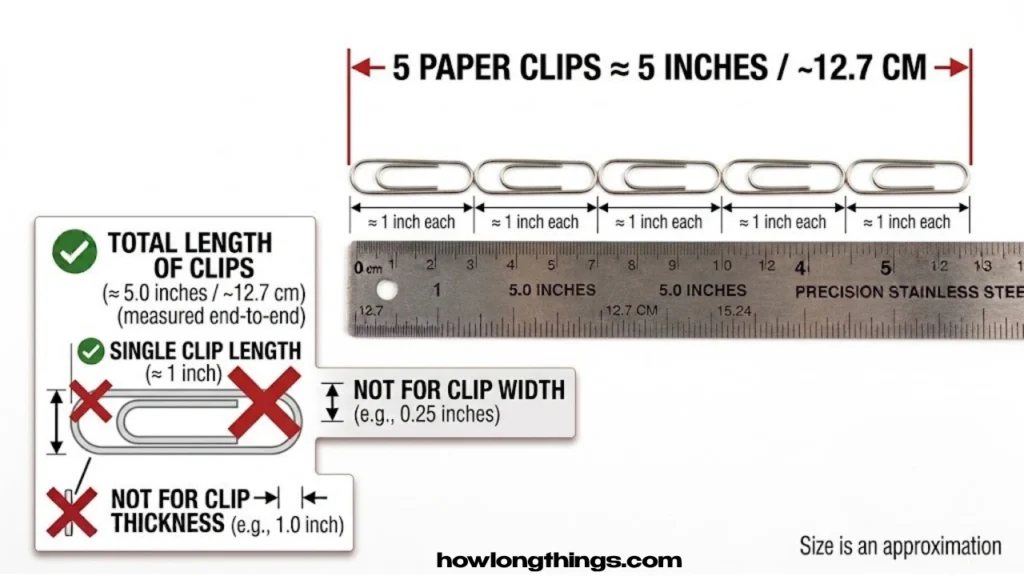
Five paper clips, lined up. A standard paper clip runs about 1 inch. Line up five end to end and you land almost exactly on 5 inches — a genuinely reliable, tool-free measuring trick.
5 Inches Compared to Fingers, Hands & Nearby Sizes
How Long Is 5 Inches in Fingers?
The average adult finger is close to 0.75 to 1 inch wide. Anthropometric studies used for keyboard design put index-finger width around 19 millimeters — roughly three-quarters of an inch — which is why ANSI and ISO both recommend that width for key spacing. Lined up side by side, that puts 5 inches at roughly five to six fingers wide, depending on hand size.
Are Two Fingers an Inch?
This is a common rule of thumb, and it holds up reasonably well. Two fingers pressed together — usually the index and middle — commonly measure close to an inch across for an average adult. It’s not exact science, since hand size varies by as much as a full inch in breadth between individuals, but it’s a workable field estimate when nothing else is nearby.
5 Inches vs. 4 Inches vs. 6 Inches
Length
In Centimeters
Familiar Anchor
4 inches
10.2 cm
A large matchstick
5 inches
12.7 cm
A disposable razor or index card
6 inches
15.2 cm
A standard butter knife
The jump from 4 to 5 inches is small in raw numbers — just 2.54 cm — but it’s often the difference between an item fitting snugly in a pocket or bag and one that doesn’t.
No tape measure on hand? These tricks get you close:
Use your hand. Spread your fingers slightly less than fully wide. For most adults, this falls a little short of 5 inches — extend just past a comfortable four-finger stretch and you’re there.
Fold a sheet of paper. A US letter sheet is 8.5 inches wide. Fold it in half and you get 4.25 inches — just under 5. Unfold slightly, adding about a finger’s width, and you’ve hit the mark.
Line up five paper clips. Each standard clip runs close to 1 inch. Five in a row gets you a surprisingly accurate 5-inch line.
Grab an index card. The long edge of a standard 3×5 card is exactly 5 inches — no folding or guessing required.
FAQs
What do 5 inches look like?
Think of the width of an open hand without the thumb, a TV remote lying flat, or a standard index card turned sideways. It’s a length that fits comfortably in one hand without feeling cramped or bulky.
How long is 5 inches in fingers?
Since an average adult finger is close to 0.75–1 inch wide, 5 inches works out to roughly five to six fingers placed side by side, depending on individual hand size.
How long is a 5 inch example?
A disposable razor, a standard index card, and a computer mouse are all reliable 5 inch examples — each one measures right around 12.7 centimeters.
How can I measure 5 inches without a ruler?
Fold a US letter sheet of paper in half (4.25 inches) and extend it slightly past the fold, line up five standard paper clips end to end, or use the long edge of a 3×5 index card, which measures exactly 5 inches.
Are two fingers an inch?
Roughly, yes. Two fingers held together commonly measure close to an inch for an average adult hand, making it a handy — though not perfectly precise — way to estimate small lengths on the fly.
Conclusion
Once you connect 5 inches to something real — a razor in your bathroom, an index card on your desk, or your own hand — the number stops being abstract. It’s a length you already interact with constantly; you just haven’t measured it yet.
Elizabeth Queen is a Owner and consumer research writer at HowLongThings.com, specializing in product lifespan, durability, and everyday household research. She’s passionate about helping readers make smarter, longer-lasting buying decisions.