Trying to picture how long 2 inches is without grabbing a ruler? You’re not alone. Most people can guess an inch or a foot fairly well, but two inches sits in an awkward middle zone that’s easy to misjudge.
This visual guide fixes that. Below, you’ll find the exact conversion, 15 real objects that measure about 2 inches, and simple hand tricks so you can estimate this length anywhere, anytime — no tools required.
Table of Contents
How Long Is 2 Inches? (Quick Answer With Conversions)
Two inches equals 5.08 centimeters, or 50.8 millimeters. In feet, that’s roughly 0.17 ft. This conversion is fixed by international agreement — one inch has equaled exactly 2.54 cm since the 1959 international yard-and-pound standardization, a definition still used today by NIST.
Unit
Value
Inches
2 in
Centimeters
5.08 cm
Millimeters
50.8 mm
Feet
0.17 ft
Meters
0.051 m
So what do 2 inches look like in real terms? Picture the distance from the very tip of a ruler to the number 2 mark. It’s shorter than a standard playing card’s long edge, but noticeably longer than a U.S. quarter’s diameter (which is 0.955 in, according to the U.S. Mint).
Two inches shows up constantly in product design because it hits a practical middle ground — big enough to hold, grip, or read, but small enough to stay portable. That’s why so many small tools, packaging elements, and accessories are built around this exact size.
15 Everyday Things That Are 2 Inches Long (Visual Examples)
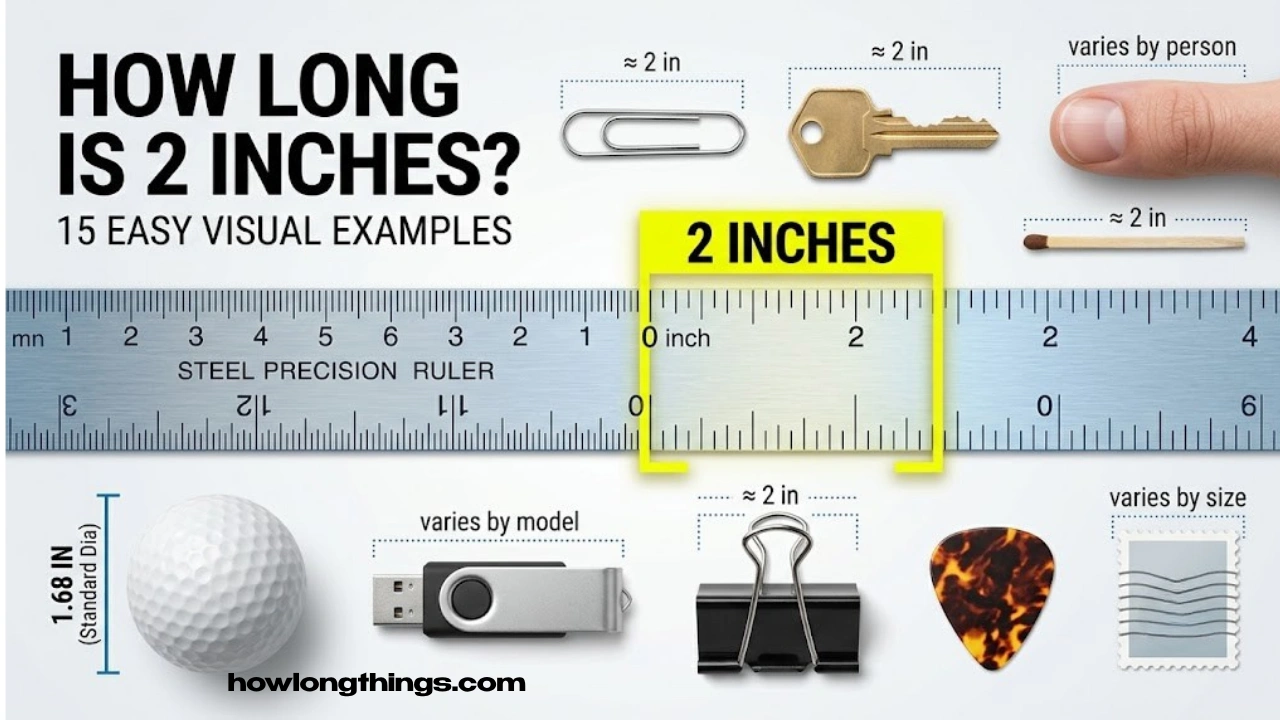
Numbers alone are hard to remember. Objects stick. Here are 15 everyday items that are about 2 inches long, each one a quick mental reference you can pull up anytime.
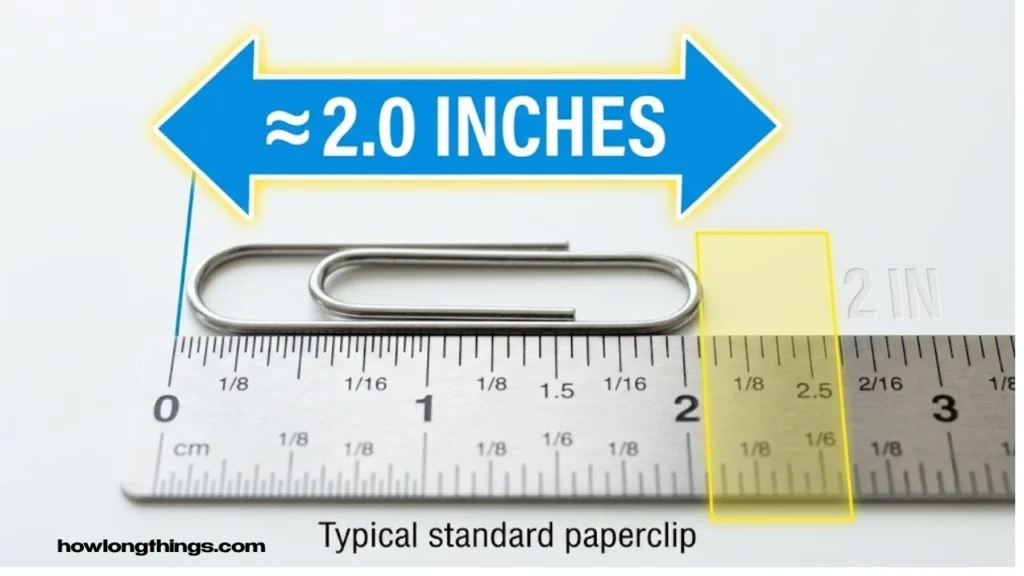
A Standard Paperclip
A typical office paperclip runs close to 2 inches from end to end. Its length is deliberately sized to grip several sheets of paper firmly without bending or tearing them — a small design choice with a real functional purpose.
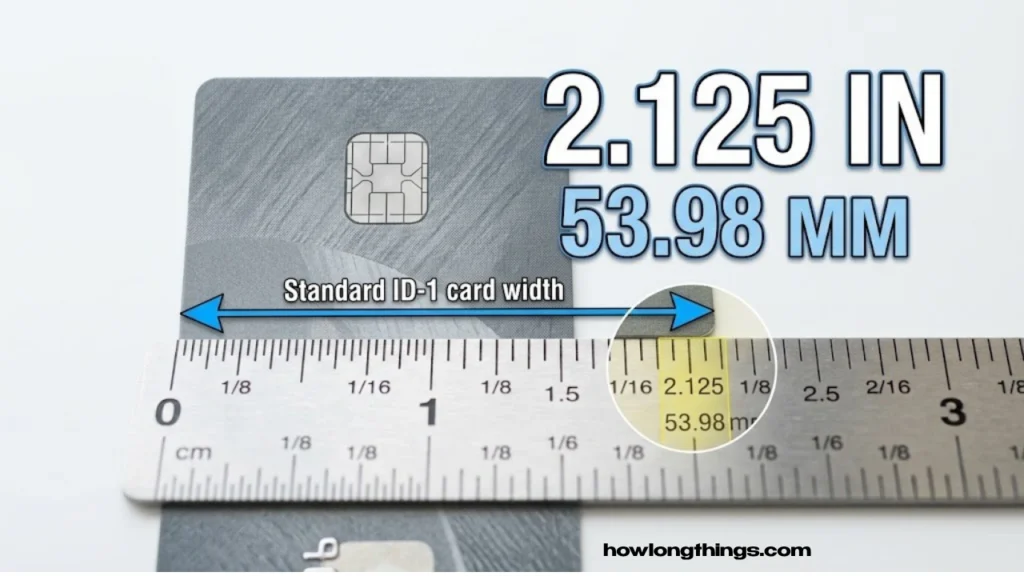
The Short Side of a Credit Card
The narrow edge of a standard debit or credit card measures just under 2 inches. Card sizing is standardized worldwide under ISO/IEC 7810, which is why this edge works as a dependable, pocket-ready reference anywhere you go.
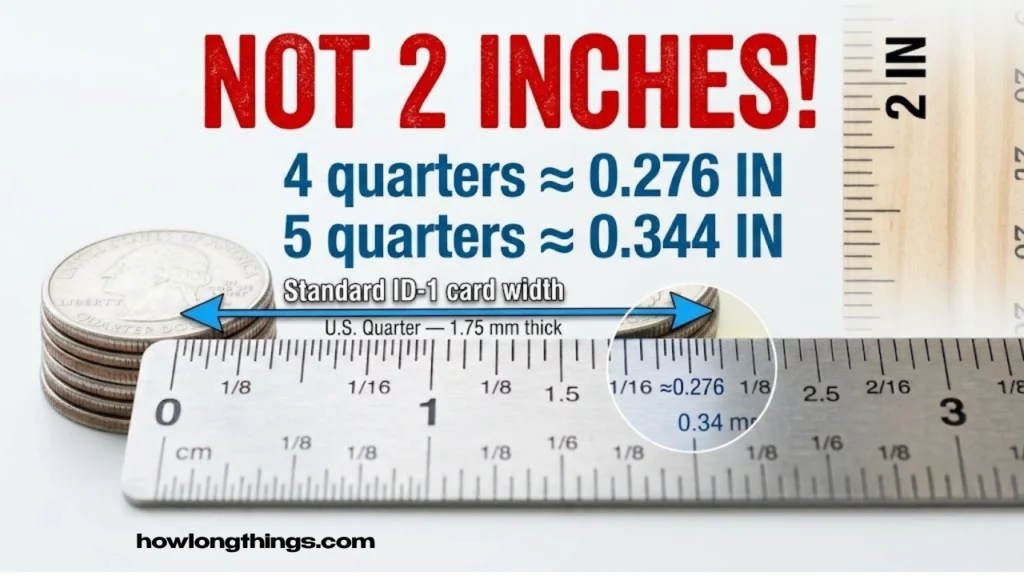
A Stack of Four to Five Quarters
Stack four or five large coins, like quarters, and the pile reaches close to 2 inches tall. Coins are minted to precise, consistent thickness, so this vertical stack trick is surprisingly reliable for gauging height or thickness.
A Golf Ball’s Diameter
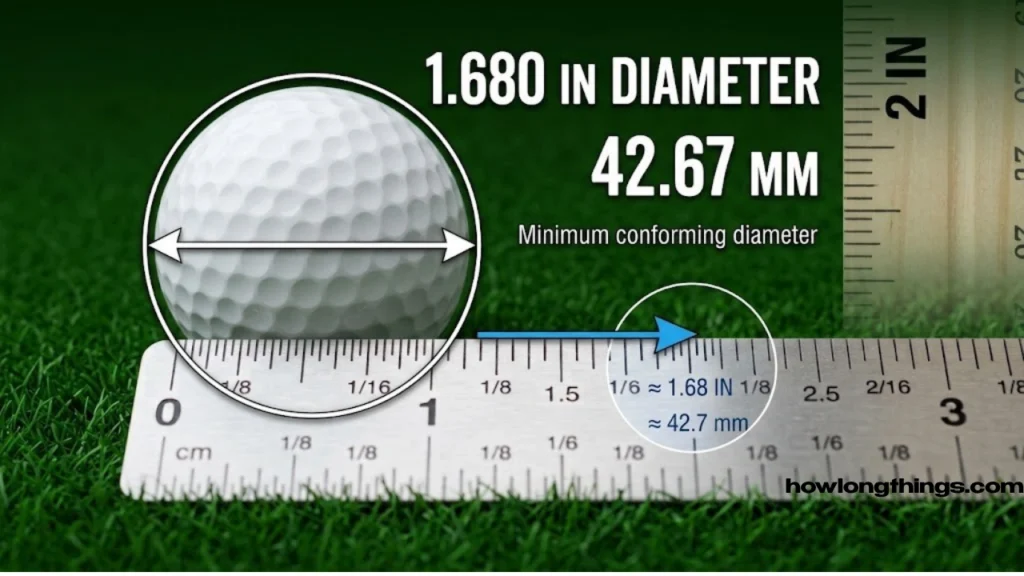
A regulation golf ball measures 1.68 inches across — a touch under 2 inches, but close enough to serve as a solid three-dimensional comparison. Its round shape makes it useful for visualizing thickness as well as length.
A Compact USB Flash Drive
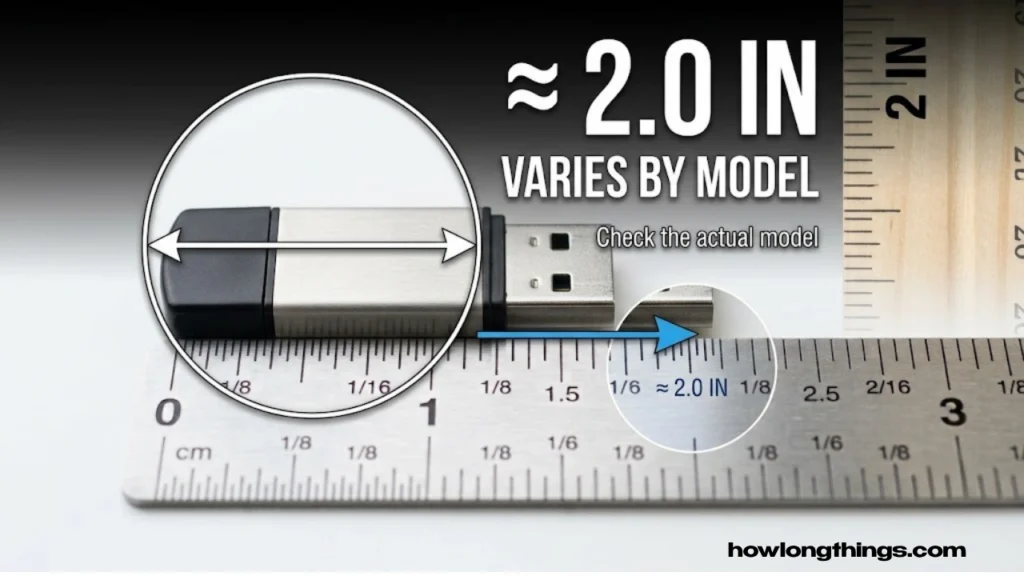
Many slim USB flash drives run around 2 inches long, balancing enough room for the connector and memory chip with a slim, keychain-friendly footprint. Even as storage capacity has climbed over the years, this footprint has barely changed.
A Wooden Matchstick
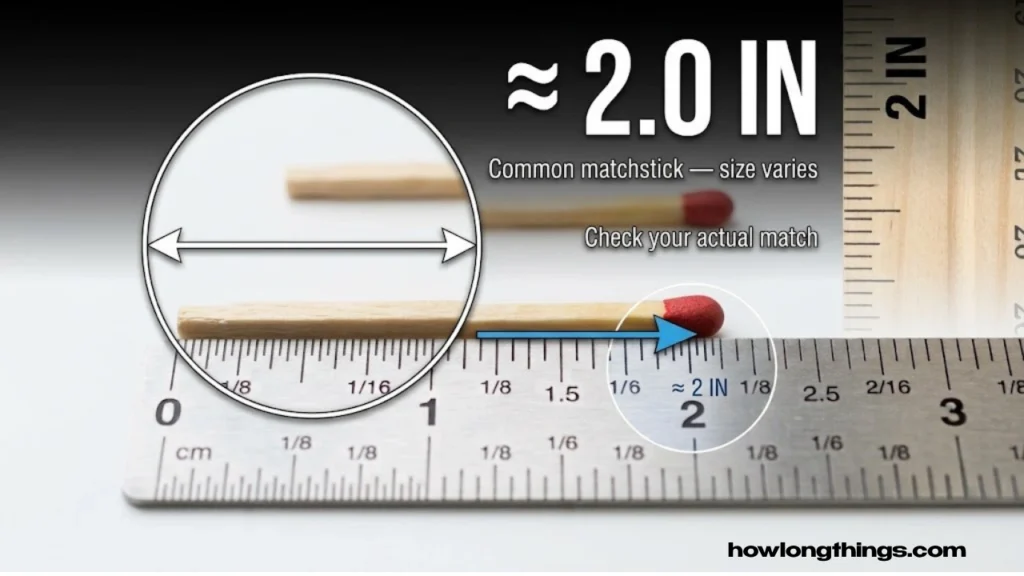
A classic wooden matchstick measures close to 2 inches. That length keeps your fingers a safe distance from the flame while the matchstick still stays compact enough to store by the dozen in a small box.
A Bottle Cap’s Diameter
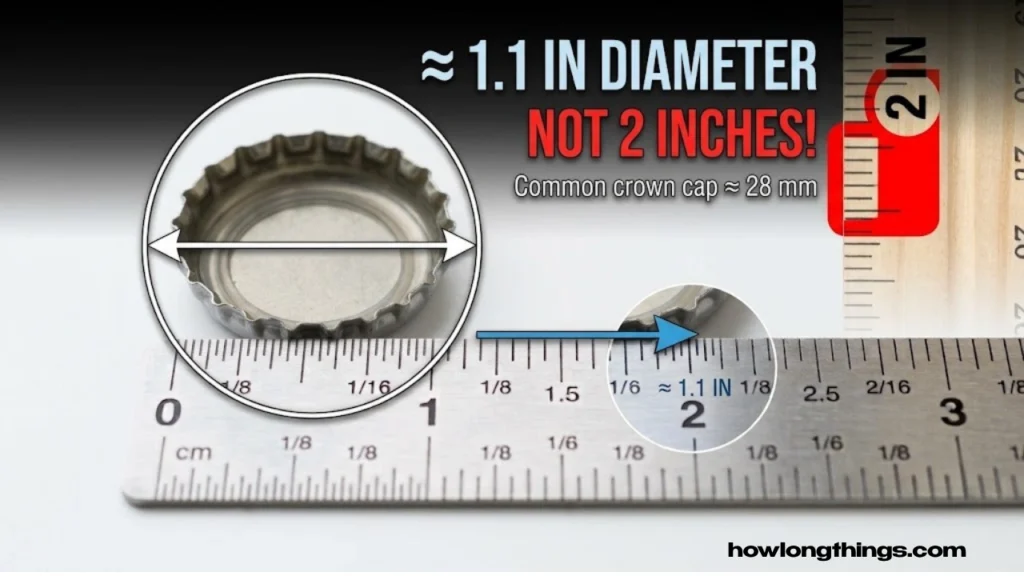
Most bottle caps, whether on soda or beer, measure roughly 2 inches across. This standard size dates back to the crown cork cap patented by William Painter in 1892, and it’s still the industry norm because it seals tightly while remaining easy to twist or pry off.
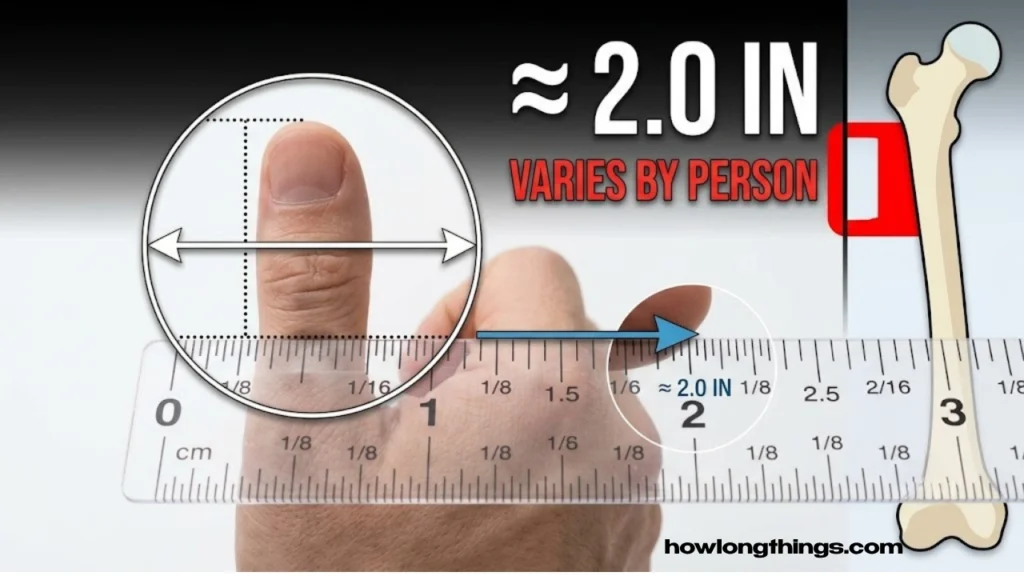
An Adult Thumb’s Length
For many adults, the thumb — measured from the base knuckle to the tip — runs about 2 inches. It’s an old trick: the word “inch” itself traces back to the Latin uncia, and thumb-width estimation has been used informally for centuries.
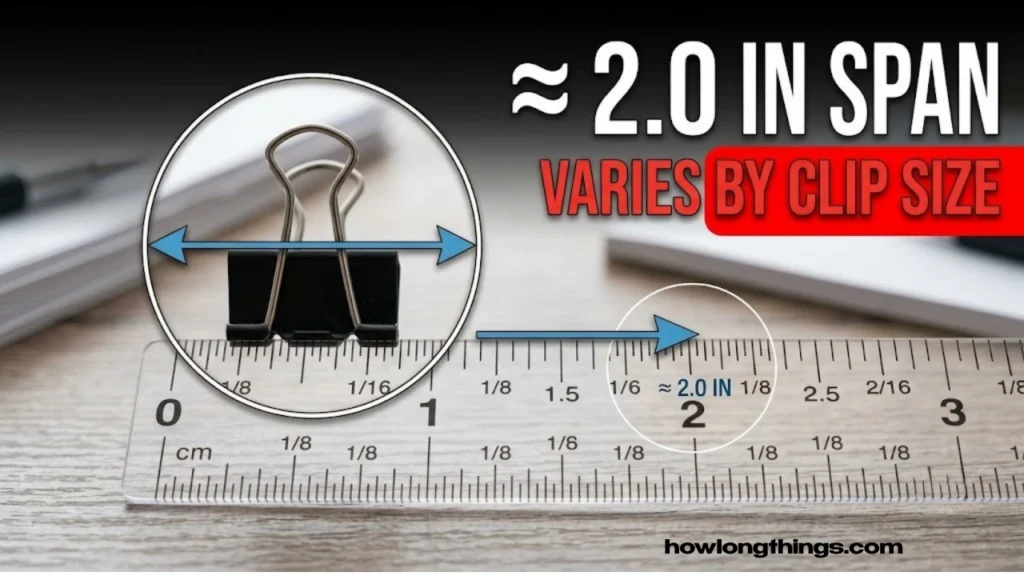
A Small Binder Clip, Opened
A small binder clip, opened flat, spans close to 2 inches wide. Its compact, engineered shape makes the measurement easy to picture, and its familiarity from desks and offices makes it a handy everyday marker.
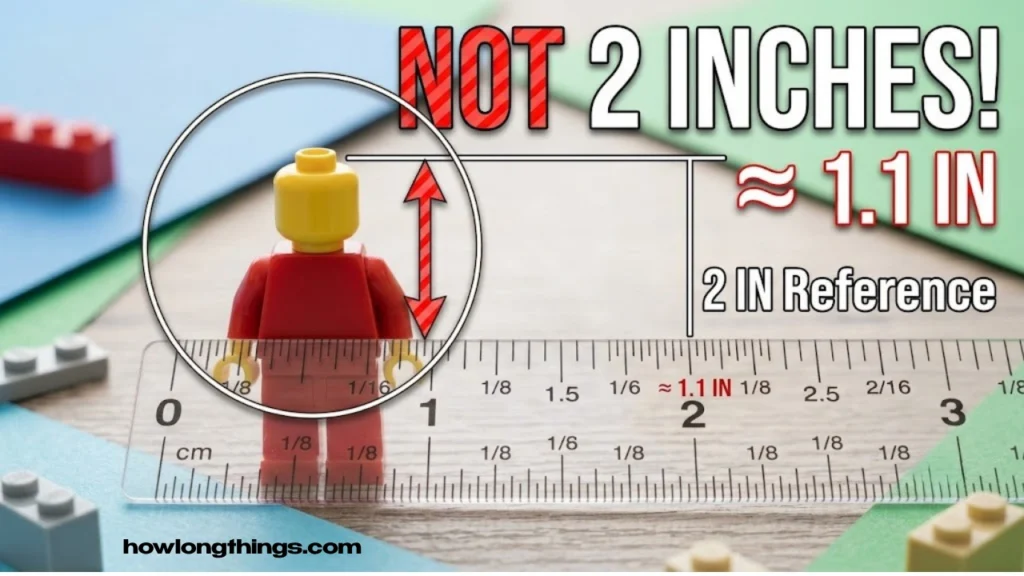
A LEGO Minifigure’s Head and Torso
The combined height of a LEGO minifigure’s head and torso lands right around 2 inches. LEGO parts are manufactured to strict, consistent tolerances, which is part of why the pieces snap together so reliably across sets released decades apart.
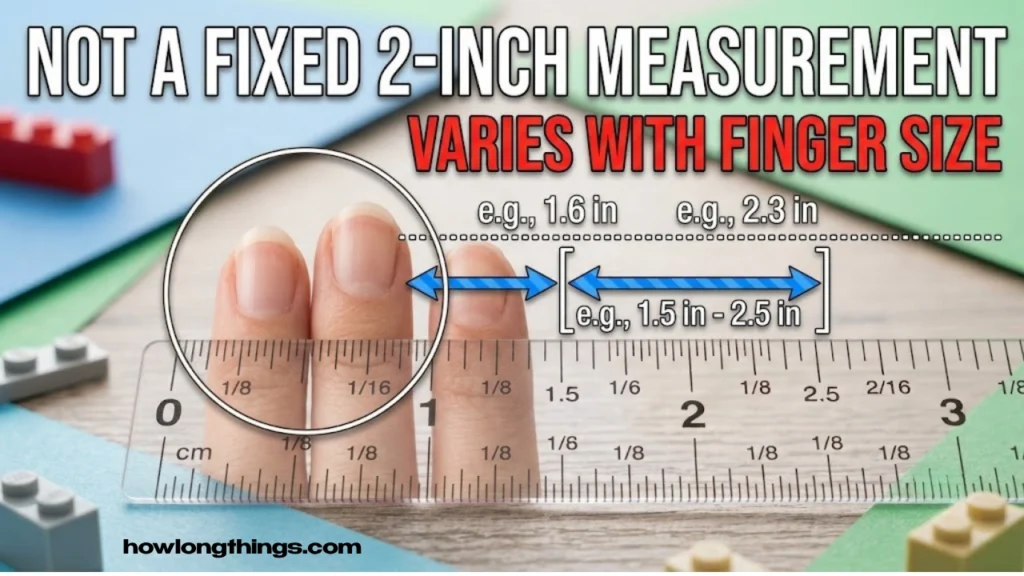
Two Adult Fingers, Side by Side
Placing two average adult fingers next to each other typically measures close to 2 inches. It won’t be exact — finger width varies from person to person — but it’s one of the fastest estimation tricks available, since your hands are always with you.
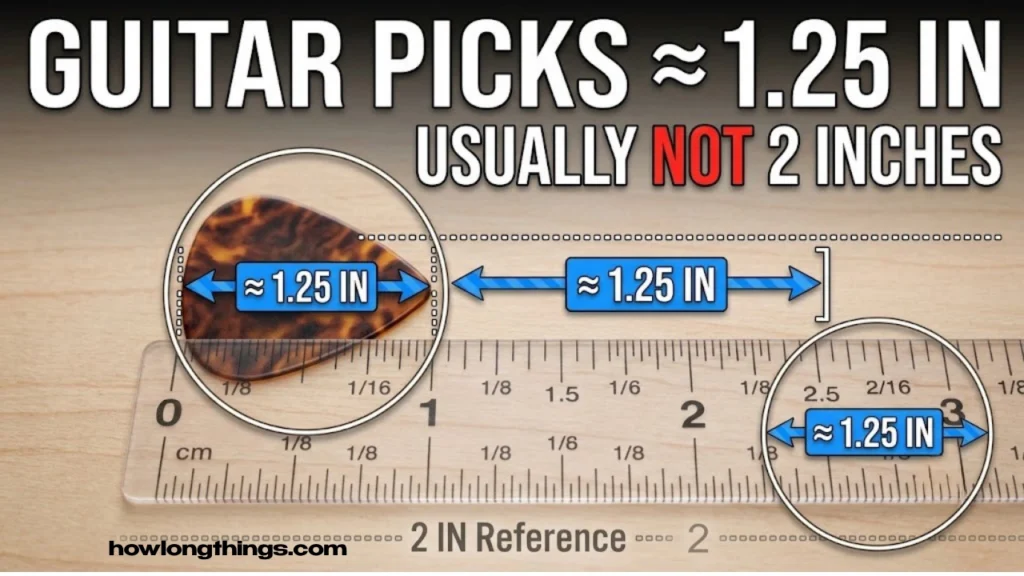
A Standard Guitar Pick
Most guitar picks measure close to 2 inches from tip to base. That length gives players enough surface to grip firmly between thumb and finger while still allowing quick, controlled movement across the strings.
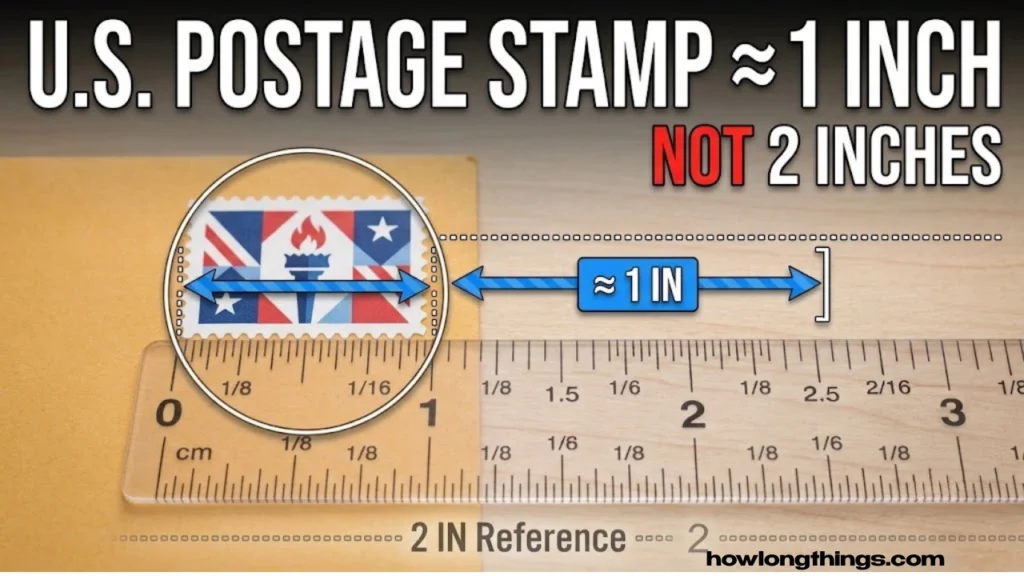
A U.S. Postage Stamp
Many U.S. postage stamps measure roughly 2 inches on their longer side. Stamp sizing has to fit tightly within postal processing equipment, which is a big reason this dimension has stayed so consistent over generations.
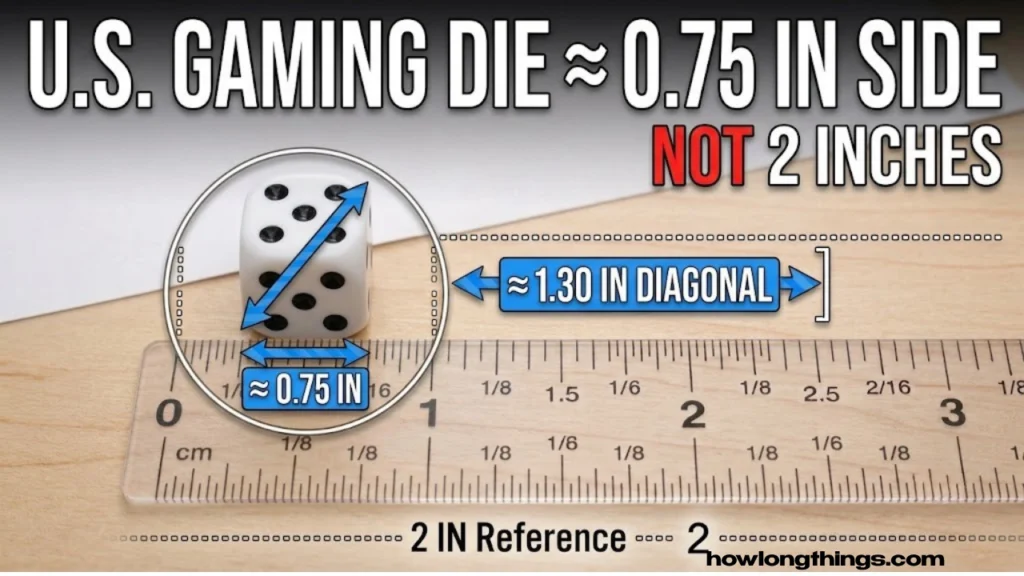
A Standard Six-Sided Die
A typical die measures around 0.75 inches per side, which puts its diagonal corner-to-corner distance close to 2 inches. That size keeps the numbers or dots easy to read at a glance while still rolling cleanly across a table.
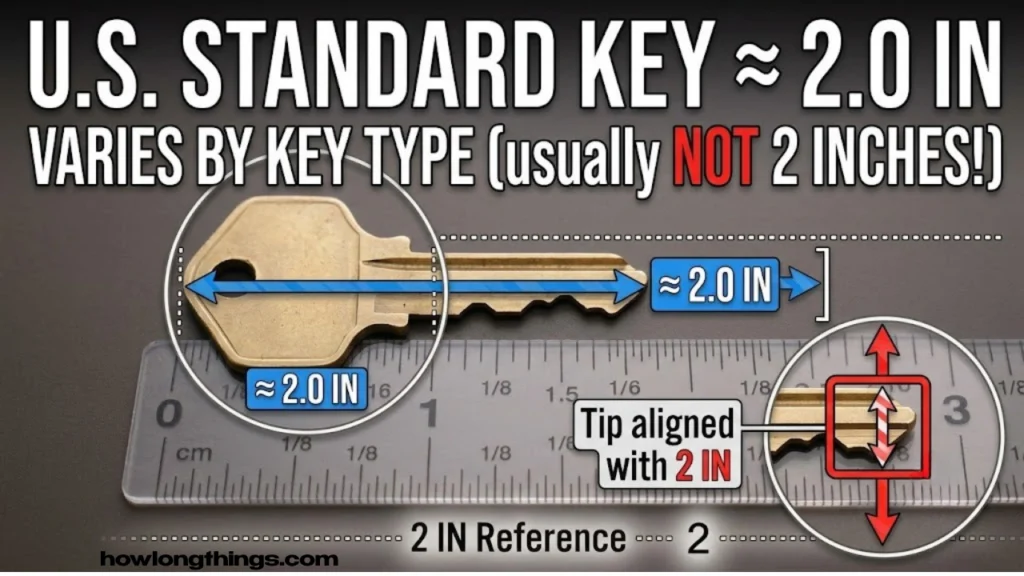
A House Key
Most standard house keys run close to 2 inches from the top of the bow to the tip of the blade. It’s a size few people think to measure, but it’s one of the most commonly carried 2-inch objects in daily life.
How To Measure 2 Inches Without a Ruler (Finger and Hand Tricks)
No measuring tape on hand? Your own hand works as a surprisingly good backup.
How many fingers is 2 inches? For most adults, two fingers placed side by side — index and middle — come close to 2 inches in combined width. It’s an approximation, not an exact science, since finger width varies by person.
How big is 2 inches on a finger? Look at your thumb from the base knuckle to the tip. For the average adult, that length lands close to 2 inches, making the thumb one of the most convenient built-in rulers you carry.
How to measure 2 inches with a finger: Lay your thumb flat against the object you’re measuring, lining the base knuckle up with one edge. If the tip reaches the other edge, you’re looking at roughly 2 inches. For a second finger, use two fingers side by side pressed gently together, not spread apart, for a more accurate reading.
How can I measure 2 inches without a ruler, beyond your hand? A few reliable backups:
The short edge of a credit card
A stack of four to five quarters
A folded standard index card, measured at the short side
Two matchsticks laid end to end (roughly 4 inches, so halve it)
These tricks won’t replace a tape measure for precise work, but they’re accurate enough for quick, everyday estimates.
2 Inches Compared To Other Common Measurements
Seeing 2 inches next to its neighbors makes the scale click faster.
Measurement
Centimeters
Easy Reference Object
1 inch
2.54 cm
Width of a U.S. quarter, roughly
2 inches
5.08 cm
Short edge of a credit card
3 inches
7.62 cm
Length of a AA battery
5 inches
12.7 cm
A standard smartphone’s short edge
Notice the jump: 1 inch to 2 inches doubles the length, but visually, the difference feels bigger than the math suggests, since our eyes judge small objects more by proportion than by exact distance.
Common Mistakes People Make When Estimating 2 Inches
Even with good reference objects, a few errors trip people up again and again.
Confusing inches with centimeters is the most common one. Two inches (5.08 cm) is more than double two centimeters — mixing the two up leads to real sizing mistakes, especially when shopping online for items listed in metric units.
Eyeballing without a fixed reference is another. Guessing “by feel” tends to run short, since the eye compresses small distances more than it compresses large ones.
Relying on inconsistent objects, like a bent paperclip or an irregular coin, throws off accuracy. Stick to standardized items — credit cards, quarters, index cards — since their dimensions rarely vary.
The fix is simple: cross-check with two different objects or tricks before trusting your estimate, especially for anything that needs to fit or match precisely.
FAQs
How many fingers is 2 inches?
For most adults, two fingers held side by side — roughly the width of an index and middle finger together — comes close to 2 inches. This varies by hand size, so it works best as a quick estimate rather than a precise measurement.
What do 2 inches look like?
Two inches looks like the distance from the zero mark to the number 2 on a ruler — about the length of a standard paperclip or the short edge of a credit card. It’s shorter than a smartphone’s width and a bit longer than a quarter’s diameter.
How big is 2 inches on a finger?
On most adults, 2 inches roughly matches the full length of a thumb, measured from the base knuckle to the tip. It’s one of the easiest built-in references for quick, tool-free estimates.
How to measure 2 inches with a finger?
Line up the base knuckle of your thumb with one edge of the object, then check where the tip lands. If it reaches close to the other edge, you’re looking at approximately 2 inches. Using two fingers pressed together side by side works as a second check.
How can I measure 2 inches without a ruler?
Use your thumb length, two fingers side by side, the short edge of a credit card, or a stack of four to five quarters. Each gives a reliable, tool-free estimate close to 2 inches, and cross-checking two methods improves accuracy.
Conclusion
Two inches doesn’t need a mental blank spot anymore. Between the exact conversions above, the 15 real-world objects, and a couple of simple hand tricks, you now have everything needed to spot — or estimate — this length anywhere, no ruler required.
Elizabeth Queen is a Owner and consumer research writer at HowLongThings.com, specializing in product lifespan, durability, and everyday household research. She’s passionate about helping readers make smarter, longer-lasting buying decisions.