A tape measure isn’t always in your pocket when you need one you’re checking a gap under a door, sizing up a phone case, or reading a product listing that just says “1 inch.”
The fixed answer is simple: 1 inch equals 2.54 centimeters, or 25.4 millimeters. What follows turns that number into 15 real objects you can picture instantly, plus quick ways to measure 1 inch using nothing but your own hand.
Table of Contents
How Long Is 1 Inch?
An inch is a unit of length used in the imperial system and the US customary system, the measurement standard still used daily across the United States for everything from lumber to phone screens. One inch is fixed at exactly 25.4 millimeters — a precise, unchanging figure set by international agreement, not a rounded approximation.
That standard traces back to 1959, when several English-speaking nations agreed on one shared value for the inch, tying it directly to the metric meter through the National Institute of Standards and Technology (NIST). Before that date, the American and British inch didn’t match exactly. Since then, a 1-inch measurement means the same thing everywhere in the country.
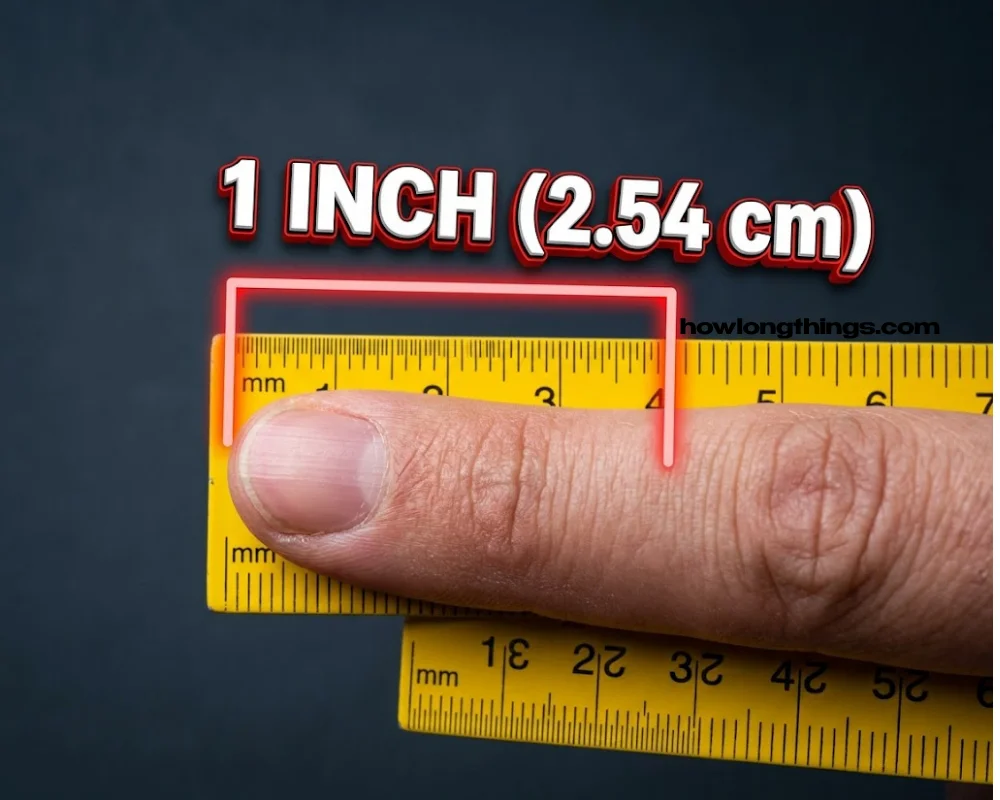
Think of it this way: 1 inch is close to the width of an adult thumb at the knuckle. It’s not a lab-grade reference, but it’s the fastest gut-check most people have built in.
1 Inch to CM and MM — Conversion Chart & Formula
Switching between inches and metric units only takes one multiplication step — no calculator app required.
Inch to CM and MM Formula
Multiply the inch value by 2.54 to get centimeters.
Multiply the inch value by 25.4 to get millimeters.
For 1 inch, that’s 1 × 2.54 = 2.54 cm, and 1 × 25.4 = 25.4 mm.
Reversing the formula works the same way — divide centimeters by 2.54, or divide millimeters by 25.4, to land back on inches.
Quick Conversion Table
Unit
Value
Inches
1 in
Centimeters
2.54 cm
Millimeters
25.4 mm
Feet
0.083 ft
Meters
0.0254 m
Bookmark this table if you frequently convert inches to cm or inches to mm — it’s the fastest lookup for the most-searched values.
15 Things That Are 1 Inch Comparisons
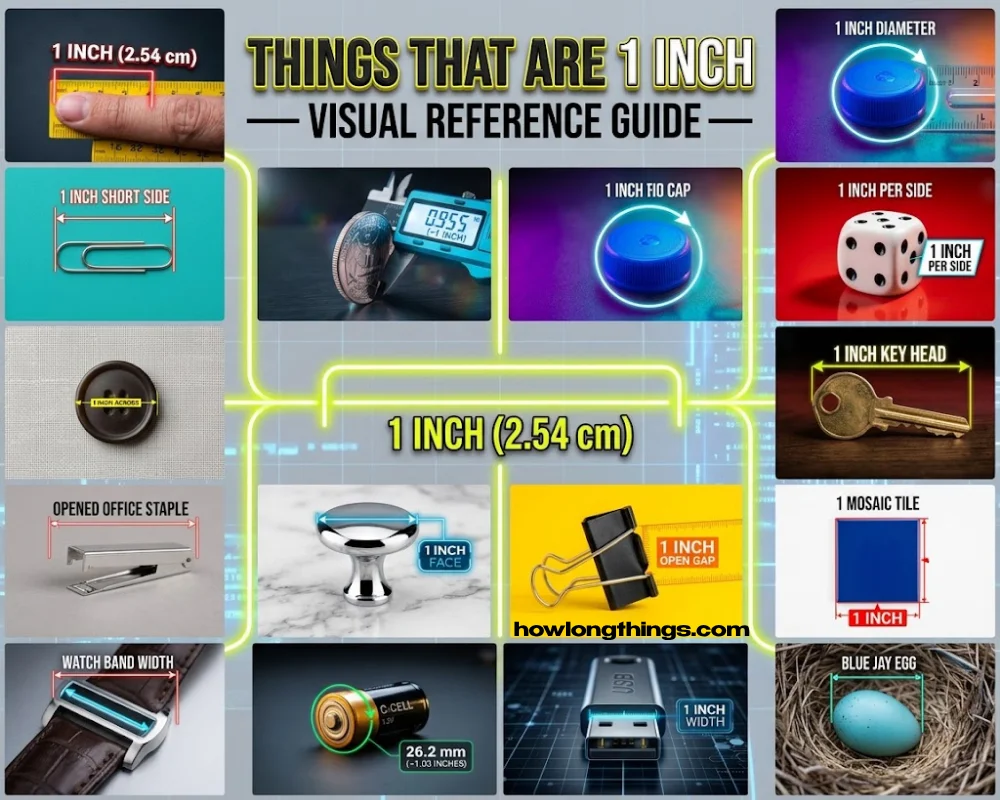
Real objects beat abstract numbers every time. Here are 15 items that measure close to 1 inch, spanning your desk, your junk drawer, and even your backyard.
Top joint of an adult thumb — Measure from the tip to the first knuckle crease and most adults land right around 1 inch. Builders used this trick long before tape measures existed.
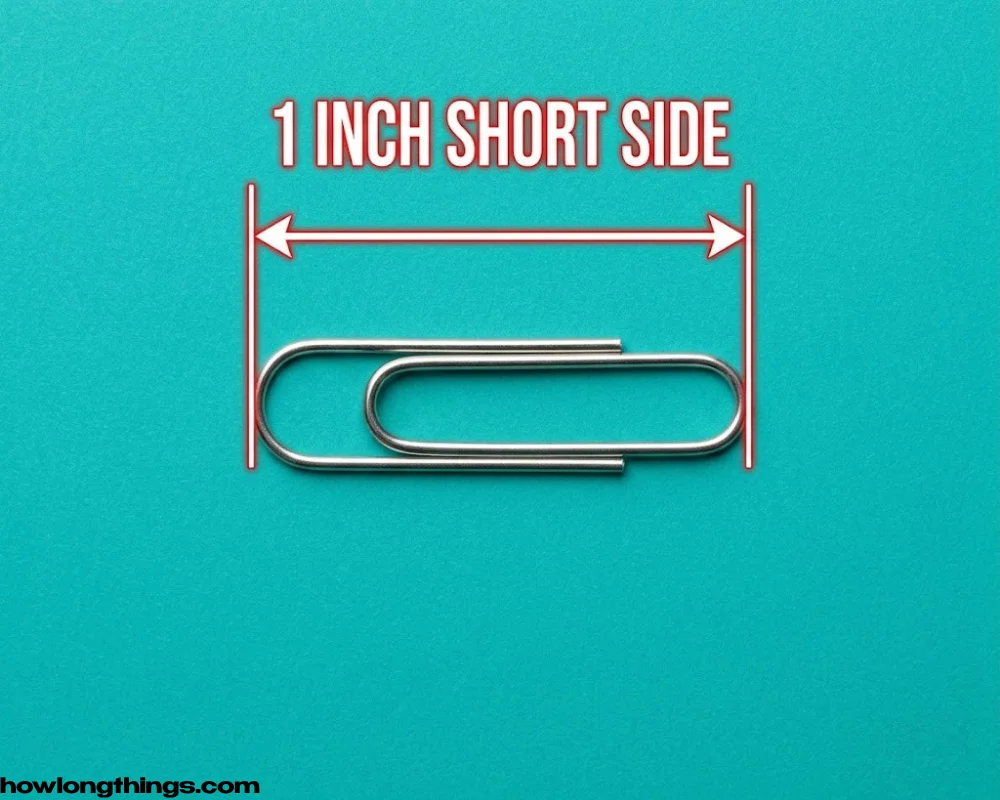
A standard office paperclip — Laid flat, the short side of a regular paperclip runs close to 1 inch, making it a grab-and-go reference on any desk.
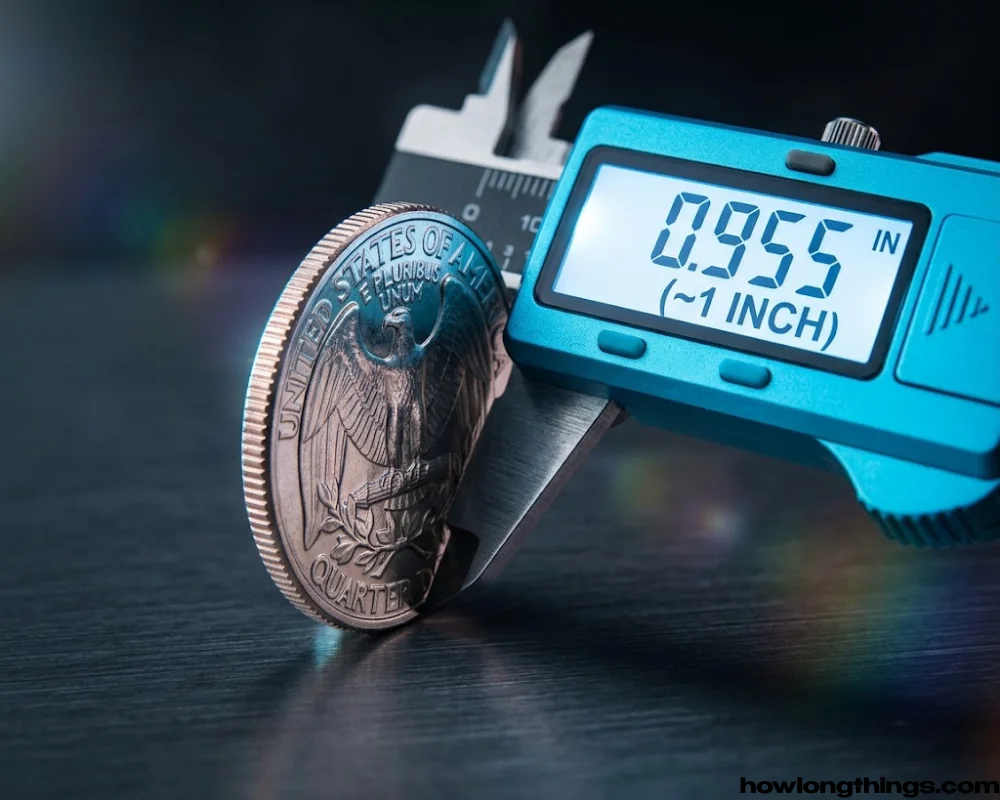
A US quarter’s diameter — A quarter measures roughly 0.955 inches across, just a hair under a full inch, but close enough for a quick visual check.
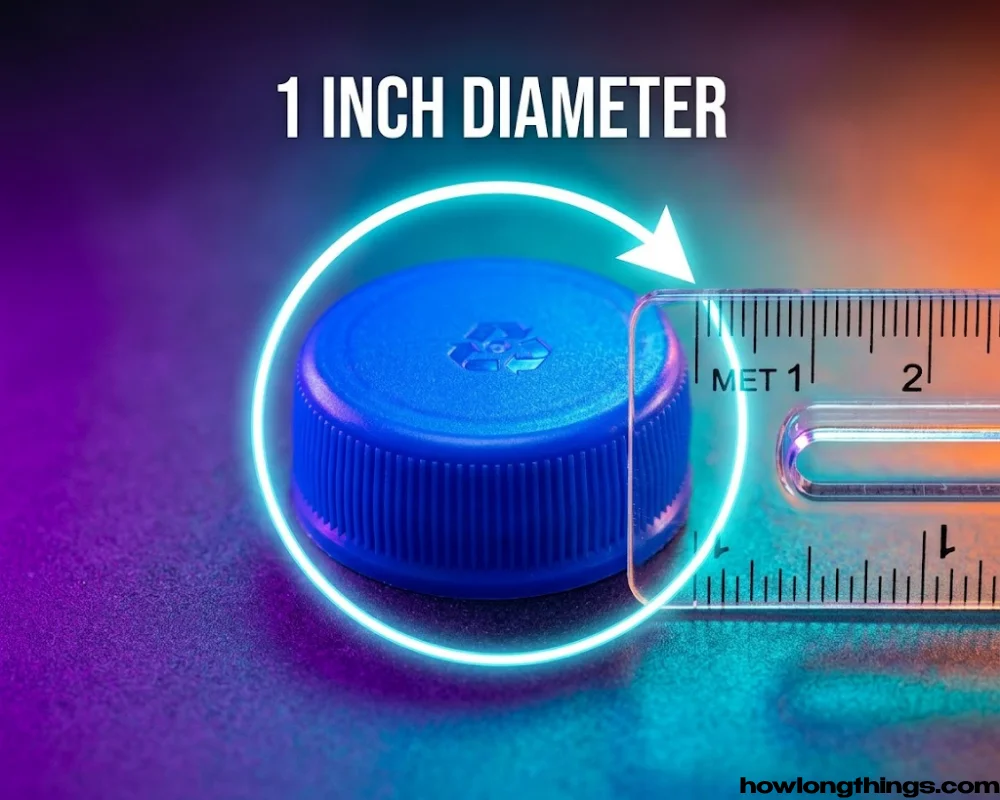
A plastic bottle cap — Most soda and water bottle caps have a diameter that lands close to 1 inch, giving you a reliable circular comparison.
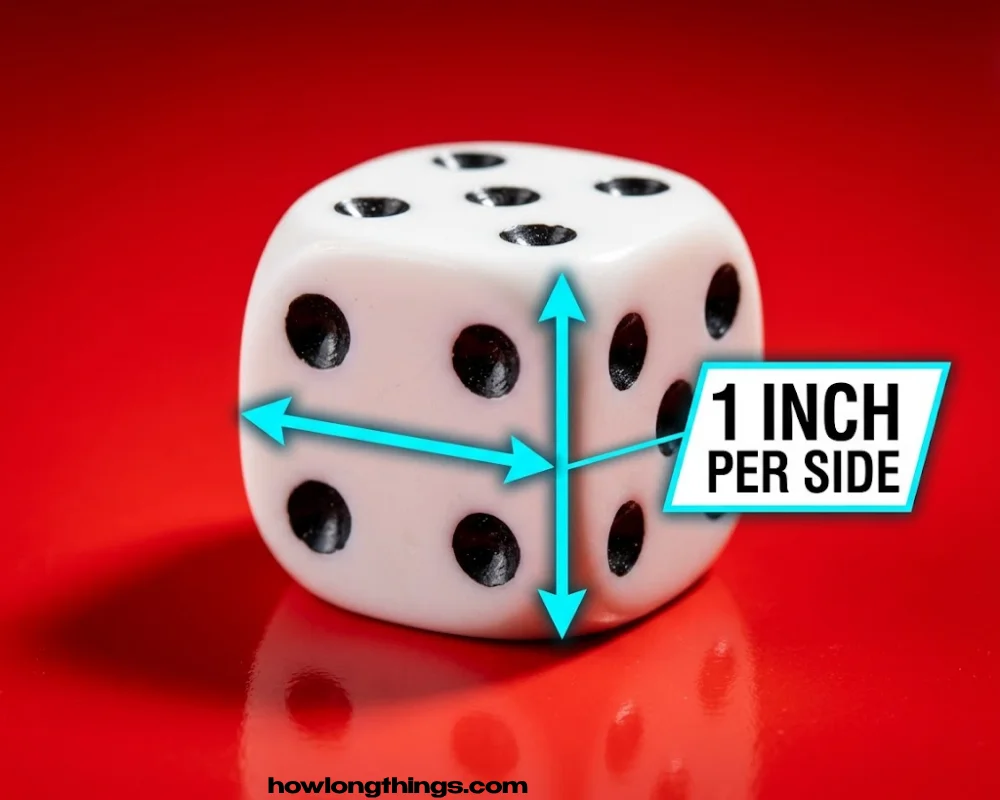
A six-sided dice — Standard board-game dice measure close to 1 inch per side, sometimes fractionally under.
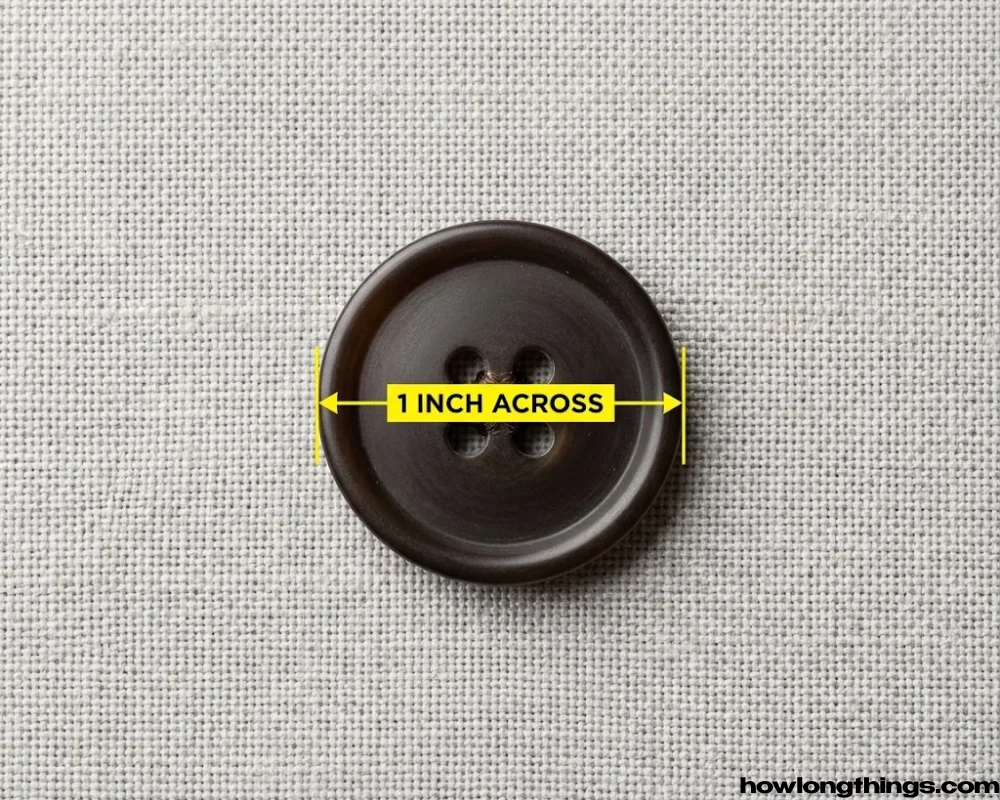
A jacket or shirt button — Larger coat and jacket buttons frequently measure near 1 inch across.
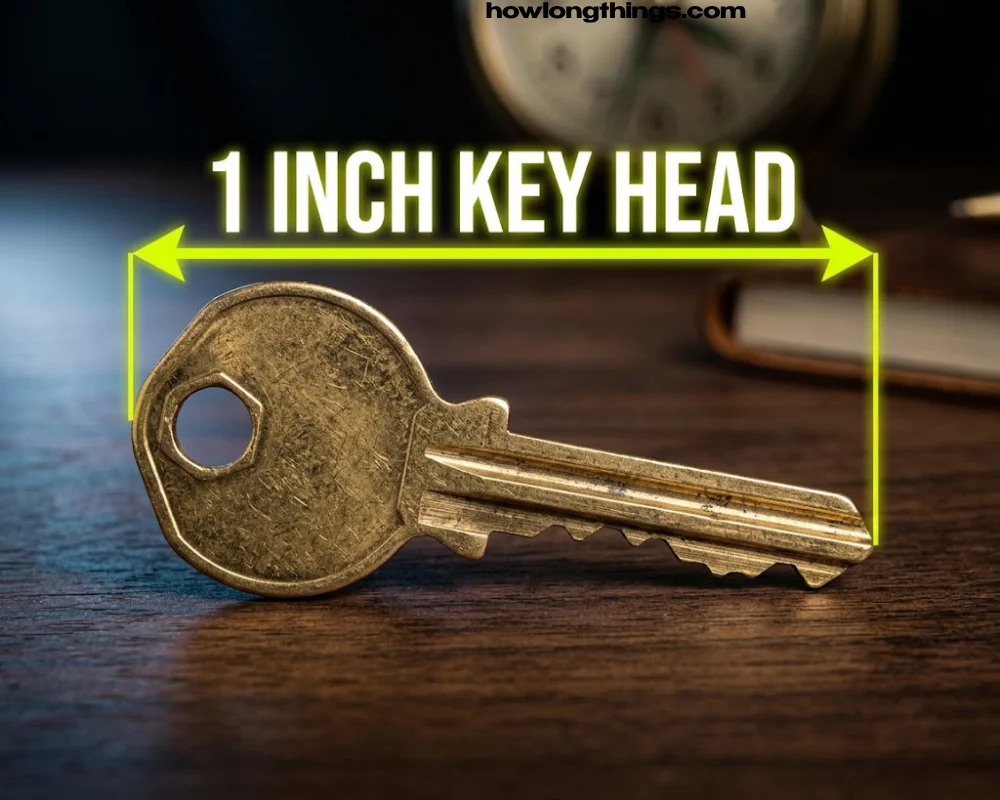
A house or locker key head — The flat head section of many everyday keys is close to 1 inch wide, which is why a key makes a surprisingly good pocket ruler.
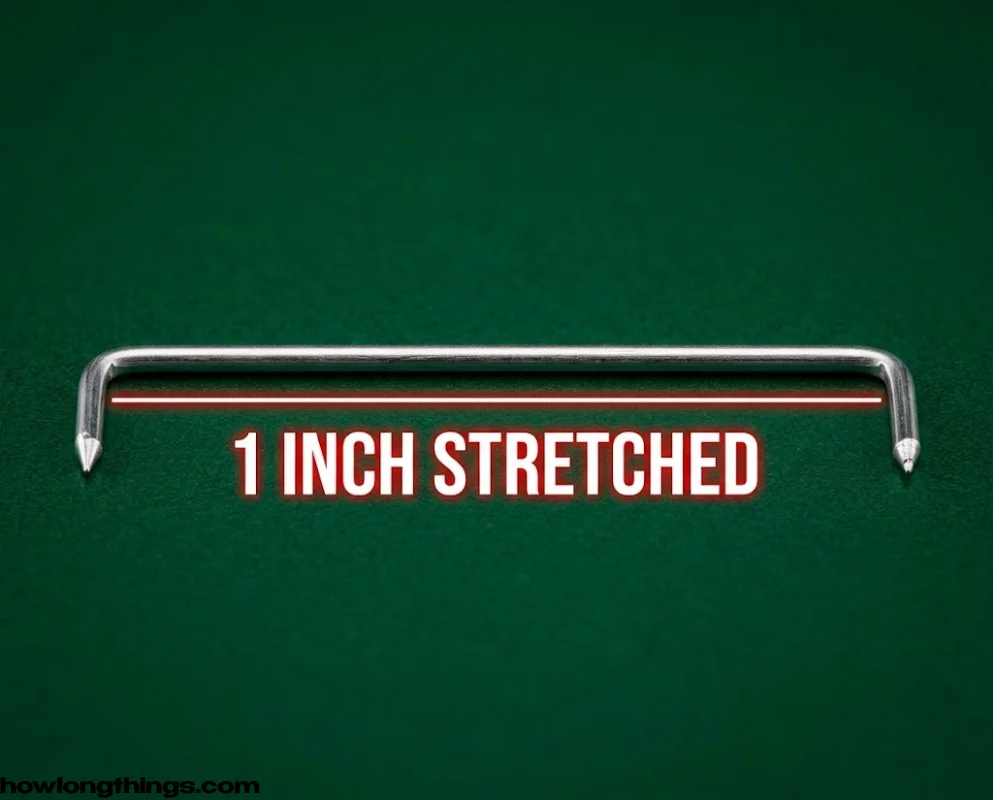
An opened office staple — Stretched flat, a standard staple measures about 1 inch from end to end.
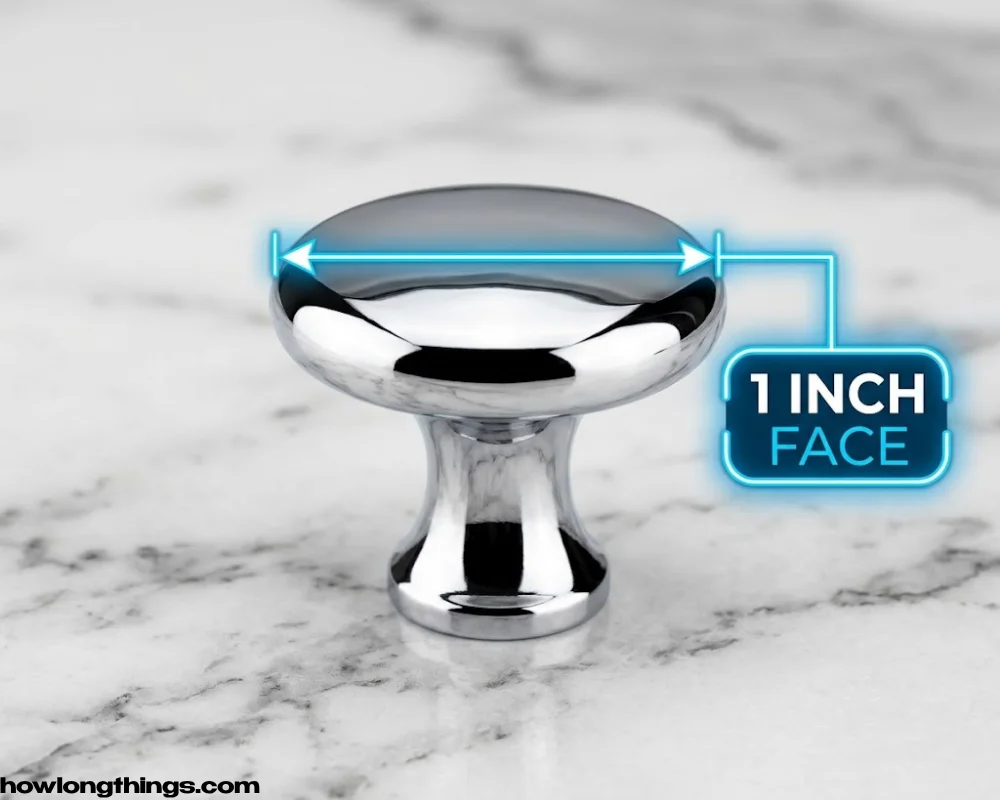
A mushroom-style cabinet knob — Hardware stores stock this classic drawer knob with a 1-inch face diameter as their most common size, built specifically for a comfortable thumb grip.
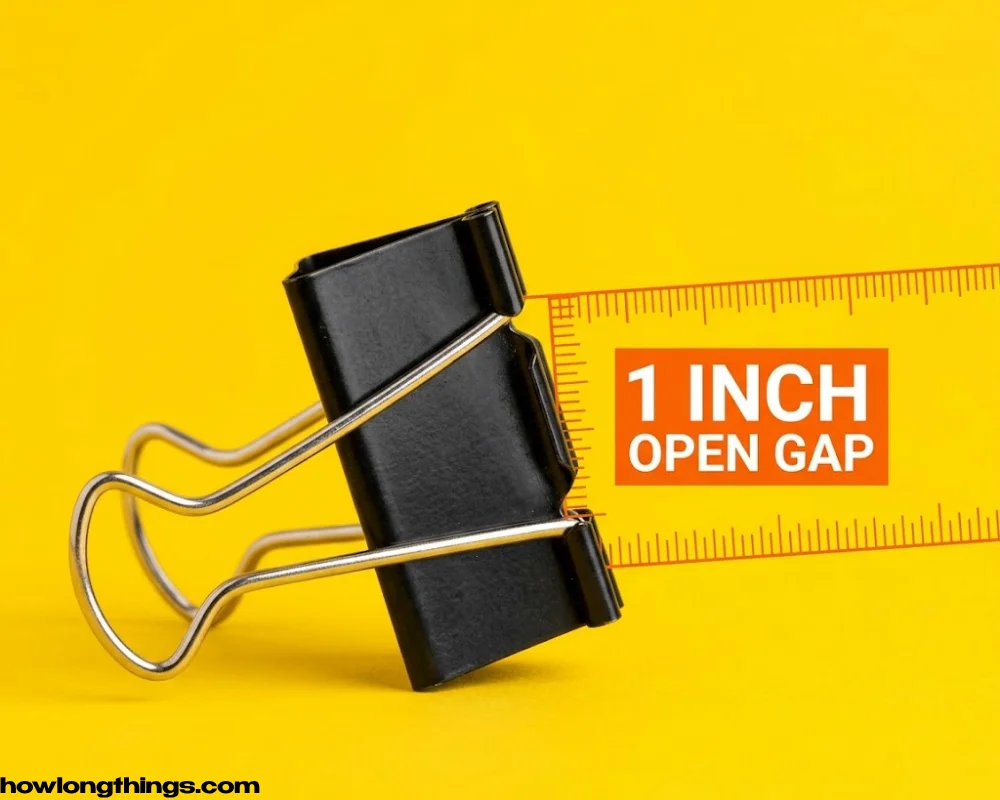
A medium binder clip’s open mouth — The metal jaws of a medium binder clip open to about 1 inch, the width where the clip still holds a thick stack of paper without slipping.
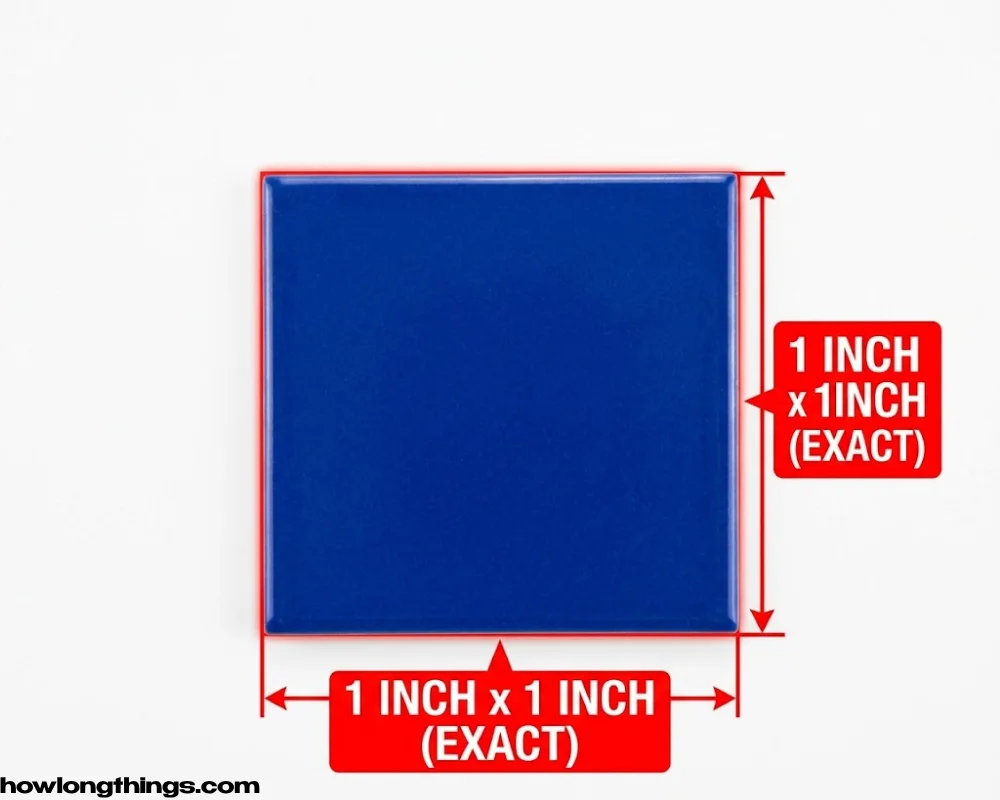
A 1×1 inch mosaic tile — Small-format bathroom and backsplash tiles are cut to exactly 1 inch square, a size chosen because 144 of them cover one square foot with zero fraction math.
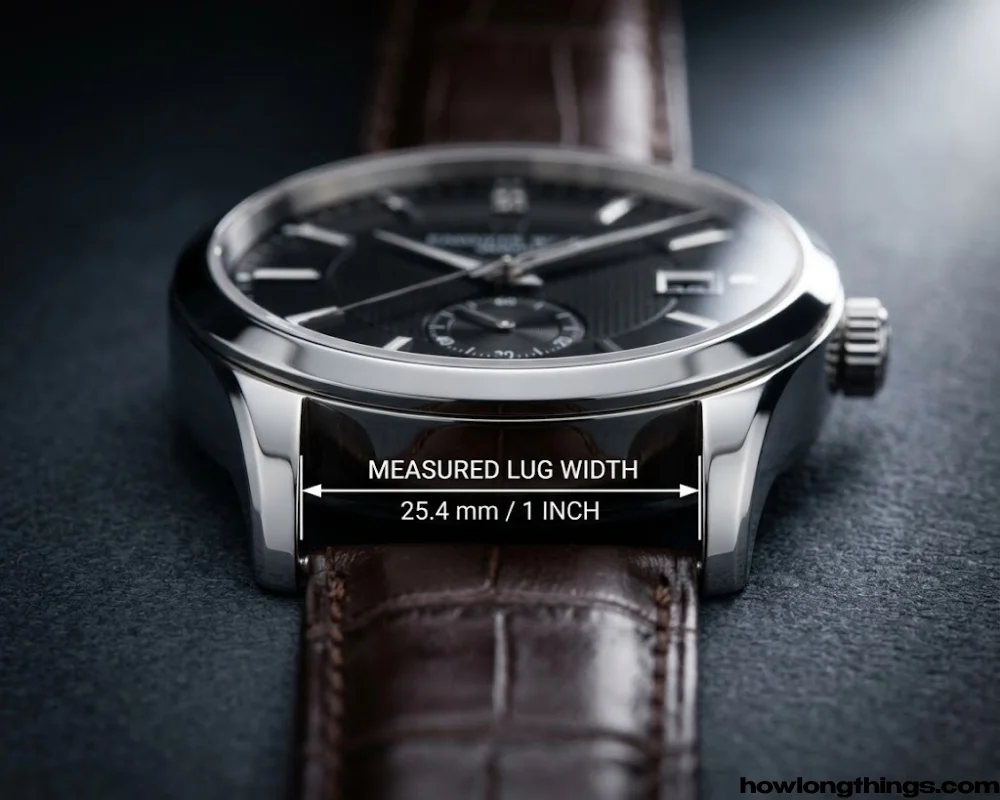
A large watch band’s lug width — Wide men’s dress-watch straps run about 24 to 26 millimeters, landing right at the 1-inch mark.
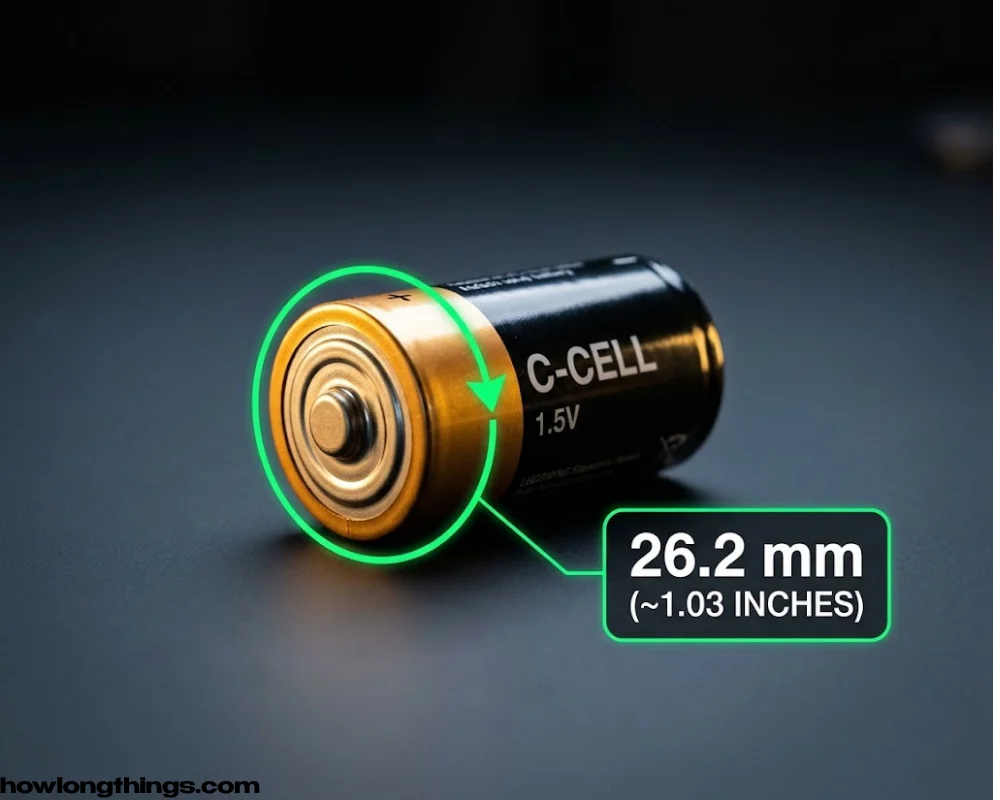
A C-cell battery’s diameter — A standard C battery measures about 26.2 millimeters across, essentially 1.03 inches — a modern, electronics-drawer example of the size.
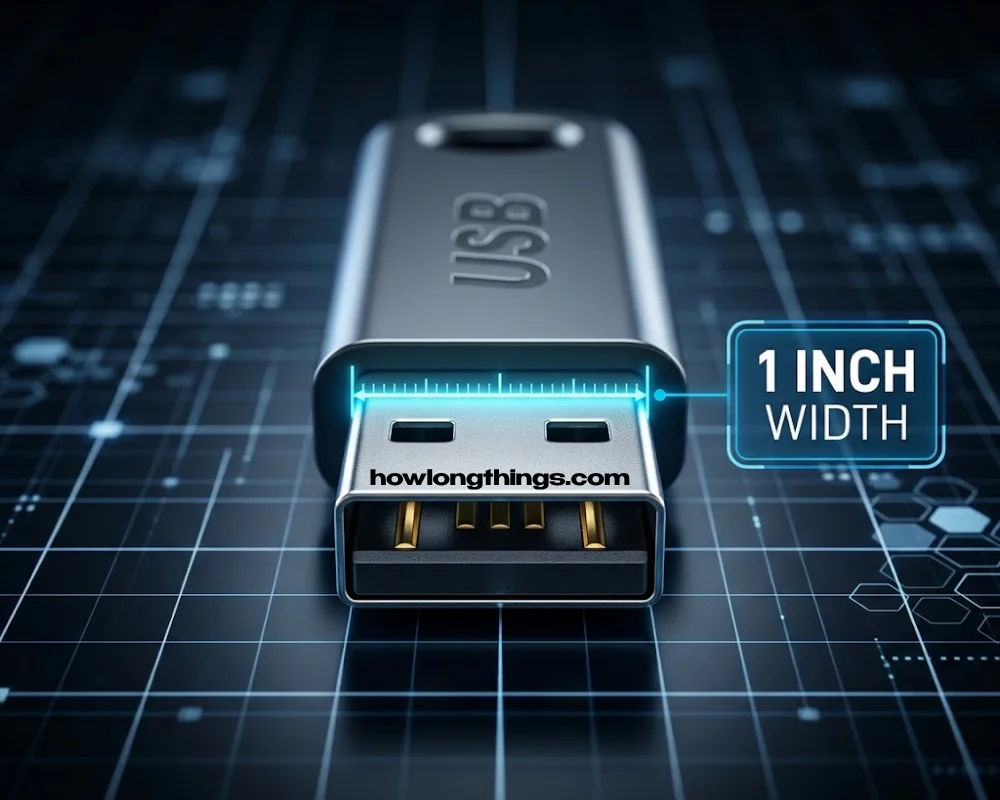
A USB Type-A connector — The metal end of a classic USB flash drive is close to 1 inch wide, a handy tech-era reference for anyone who grew up past the ruler-in-every-pencil-case era.
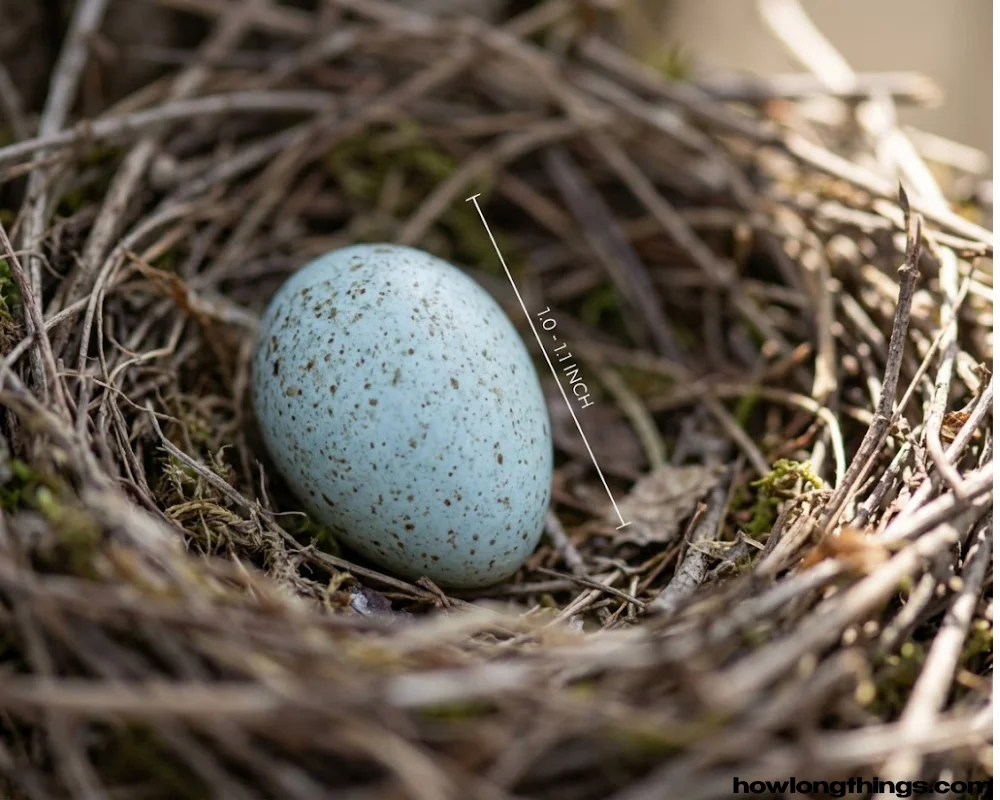
A blue jay egg — On the nature side, a blue jay egg typically measures 1 to 1.1 inches long, useful if you ever find one in the yard and want a fast size check.
Once you’ve matched a few of these to something you already own, 1 inch stops being a number and becomes a size you recognize without thinking.
Sometimes the nearest measuring tool is your own hand — and it’s more reliable than most people expect.
How Many Fingers Equal 1 Inch?
One average adult finger, turned sideways, is close to 1 inch wide — that’s the single-finger rule worth remembering. Two fingers pressed together usually add up to somewhere between 1.5 and 2 inches, so two fingers generally run wider than 1 inch, not equal to it.
Thumb Joint and Pinch-Width Method
The classic body-based measurement: run your finger from the tip of your thumb to the first knuckle. For most adults, that stretch is close to 1 inch. Tailors and carpenters leaned on this exact trick for generations before tape measures were standard kit.
A second quick option is the pinch-width test — hold your thumb and index finger the way you’d pick up a coin. That natural gap usually measures close to 1 inch, and it’s the same rough test child-safety guides reference when flagging small-object choking hazards.
Both methods are estimates, not precision tools. For anything that needs to fit exactly, grab a real ruler — but for a fast gut-check while shopping or building, your hand is always within reach.
1 Inch Compared to Other Measurements
Seeing 1 inch lined up against nearby sizes makes the scale click faster for some readers than any object comparison.
Measurement
In Centimeters
Compared to 1 Inch
0.5 inch
1.27 cm
Half the size
0.75 inch
1.91 cm
One quarter smaller
1 inch
2.54 cm
Reference point
1.5 inches
3.81 cm
50% bigger
2 inches
5.08 cm
Exactly double
This chart helps when a listing shows a size close to — but not quite — 1 inch, and you need to judge the gap at a glance.
FAQs
How does 1 inch look like?
Picture the width of an adult thumb, a paperclip’s short side, or a US quarter’s diameter — each one lands close to 1 inch and gives you an instant visual.
How long is 1 inch in fingers?
About one average adult finger turned sideways. It takes a single finger to reach 1 inch, not two.
What is an example of 1 inch?
A bottle cap’s diameter, a six-sided dice, or a 1×1 inch mosaic tile are all common, easy-to-find examples of exactly 1 inch.
How long is 1 inch visually?
Close to the distance from your thumb tip to your first knuckle, or the short edge of a standard paperclip — both offer a quick visual sense of the size.
Is 2 fingers 1 inch?
No. Two fingers together typically measure 1.5 to 2 inches, wider than a single inch. One finger is the closer match.
Conclusion
1 inch equals 2.54 centimeters and 25.4 millimeters, a fixed conversion that holds true everywhere. Match that number to a thumb width, a paperclip, or a battery from the junk drawer, and a ruler stops being necessary for a quick, confident size check.
Elizabeth Queen is a Owner and consumer research writer at HowLongThings.com, specializing in product lifespan, durability, and everyday household research. She’s passionate about helping readers make smarter, longer-lasting buying decisions.