10 grams equals about 0.35 ounces, 0.01 kilograms, or roughly 2 teaspoons, depending on what you’re measuring. It’s a small, light weight — but it shows up constantly, from recipe cards to shipping labels to the coins in your pocket.
This guide breaks down exactly what 10 grams feels like using 18 familiar objects, clears up the confusion around teaspoons and tablespoons, and shows you simple ways to measure it without a scale.
Table of Contents
10 Grams to Teaspoons, Tablespoons, Ounces and Other Units
A gram is a metric unit of mass. It’s part of the International System of Units (SI), and one gram equals one-thousandth of a kilogram. That makes gram-to-kilogram conversions easy — just shift the decimal three places.
Ounces work on a different scale. According to the National Institute of Standards and Technology, one ounce equals about 28.35 grams. Divide 10 by that number and you get 0.35 ounces — the figure most kitchen scales display.
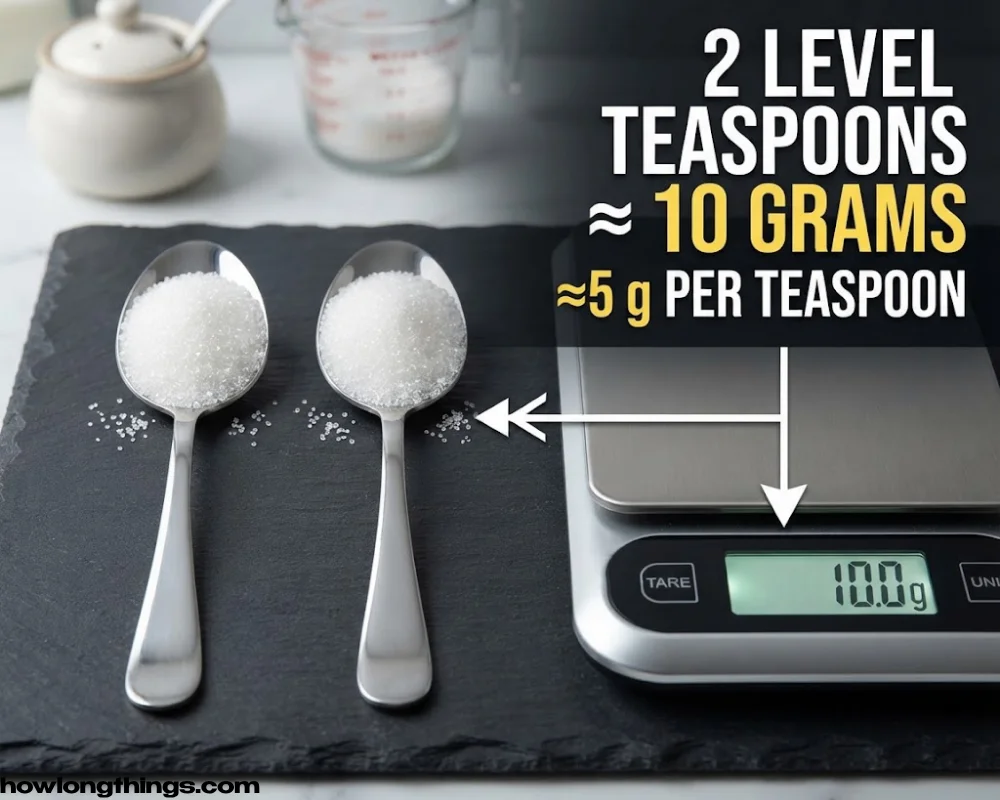
Here’s where most confusion starts: is 10 grams a teaspoon? Not exactly. A teaspoon measures volume, while a gram measures mass, and the two only line up for specific ingredients. Granulated sugar comes close to 5 grams per level teaspoon, so 2 teaspoons of sugar lands right around 10 grams. Water behaves similarly, since its density is close to 1 gram per milliliter.
Tablespoons follow the same logic but scale differently. A tablespoon of water weighs close to 15 grams, so 10 grams works out to roughly ⅔ of a tablespoon — not a full one. This single fact answers one of the most searched questions about this weight: is 10 grams equal to 1 tablespoon? No, it isn’t, and the gap changes depending on the ingredient.
Unit
Equivalent of 10g
Kilograms
0.01 kg
Milligrams
10,000 mg
Ounces
0.35 oz
Pounds
0.022 lb
Carats
50 ct
Grains
154.3 gr
Teaspoons
~2 tsp (varies)
Tablespoons
~⅔ tbsp (varies)
Keep this table close by — it’s the backbone for the object comparisons and the FAQ section that follow.
18 Everyday Things That Weigh 10 Grams
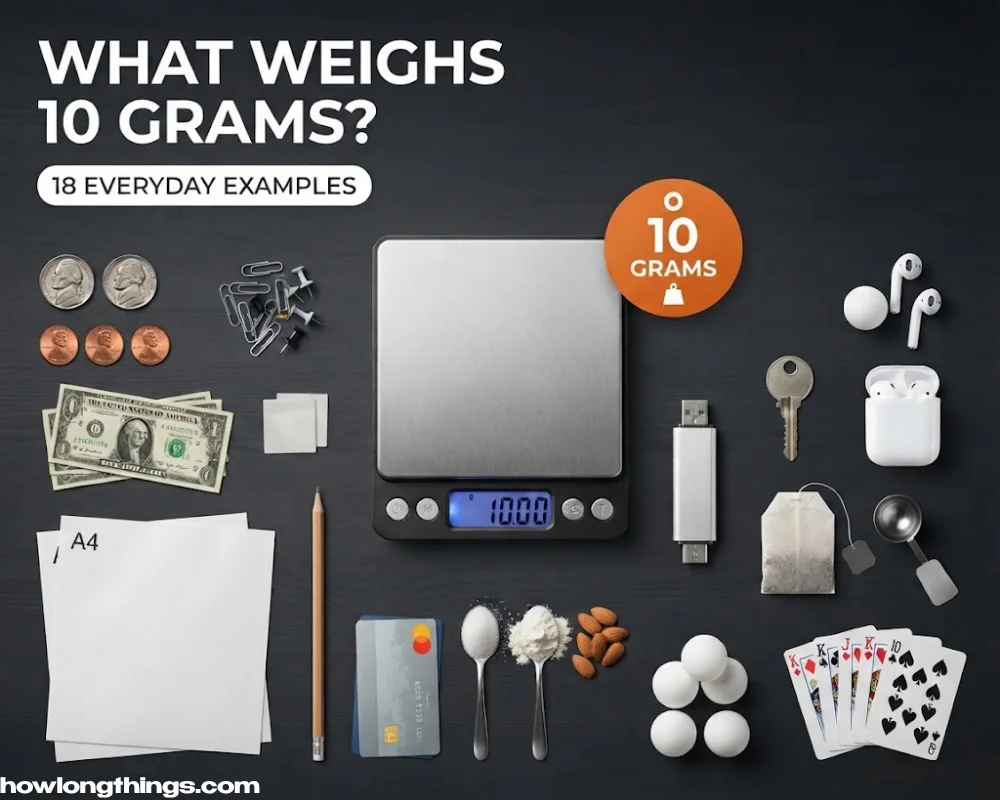
Numbers alone are abstract. Holding something familiar makes 10 grams click instantly. Below are 18 common objects — coins, currency, office items, food, and everyday tech — that land right around this weight.
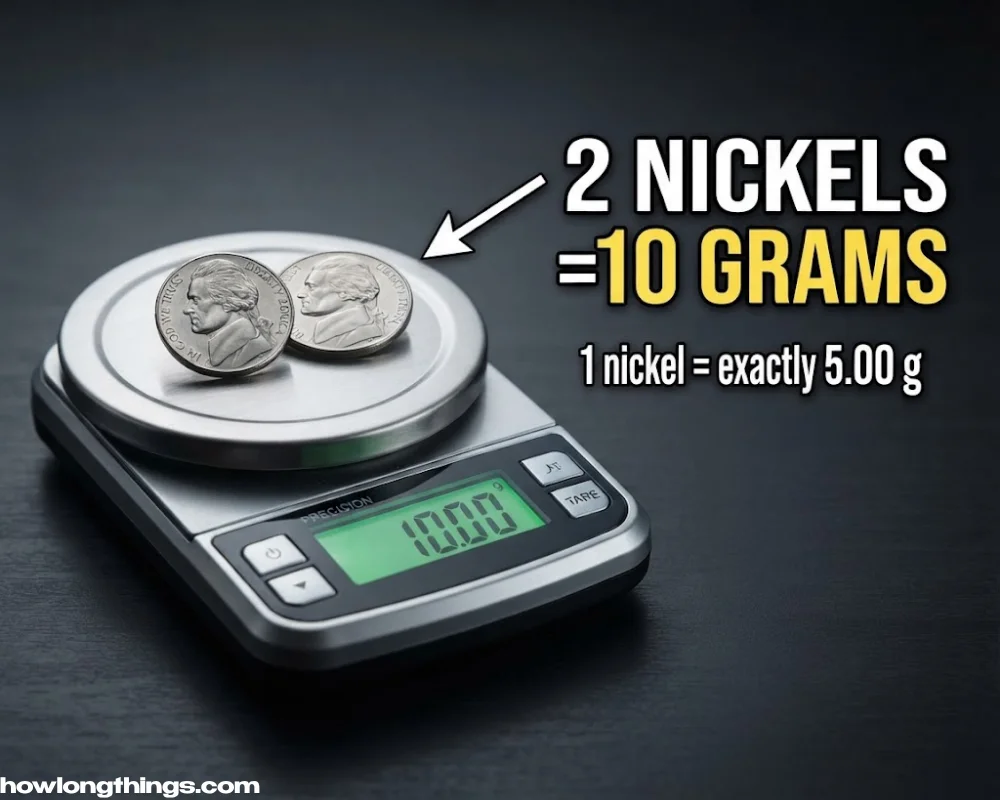
Two US Nickels
Every US nickel weighs exactly 5 grams, a standard set by the US Mint. Two nickels together equal precisely 10 grams, making coins one of the most accurate DIY weight references you’ll ever need.
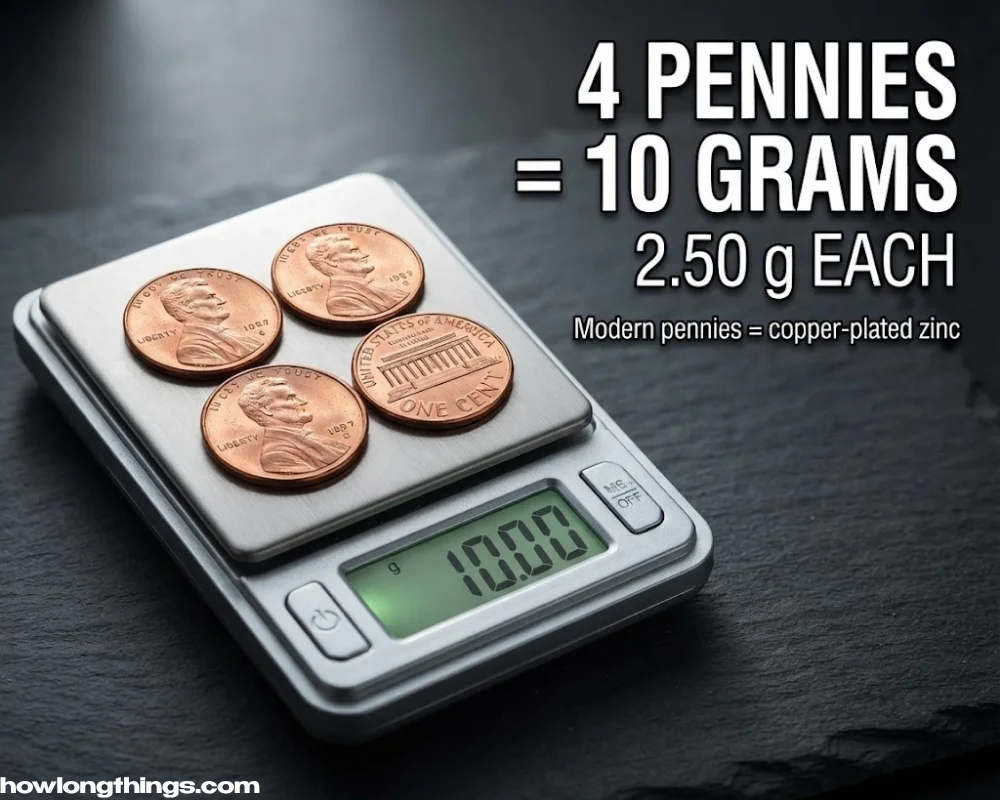
Four US Pennies
Modern pennies, minted since 1982, are copper-plated zinc and weigh 2.5 grams each. Four of them add up to exactly 10 grams, offering a second reliable coin-based method.
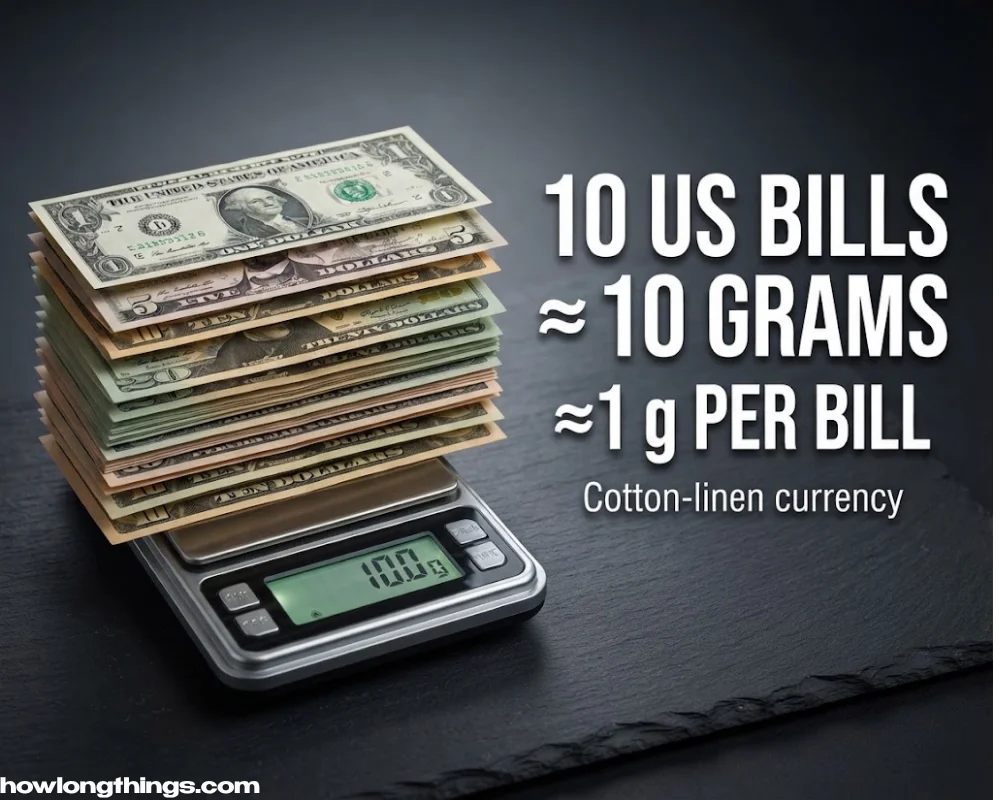
Ten US Dollar Bills
Each US bill weighs almost exactly 1 gram, regardless of denomination. That means ten bills — of any mix — equal roughly 10 grams, since American currency is made from a cotton-linen blend rather than standard paper.
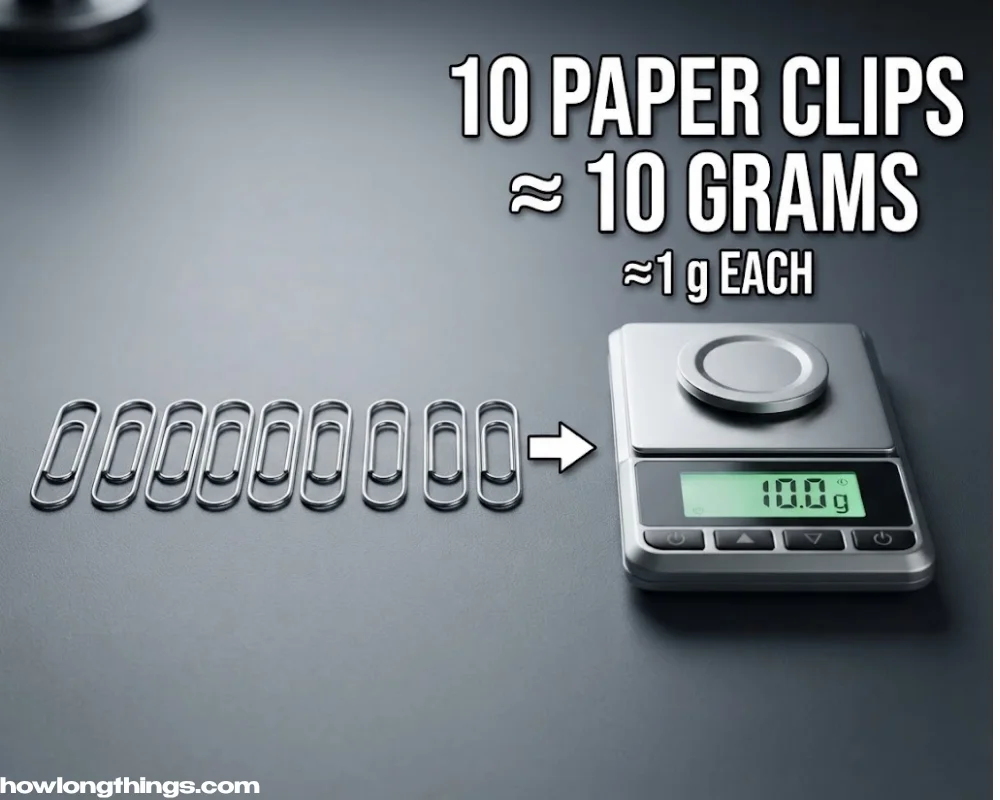
Ten Standard Paper Clips
A regular paper clip weighs close to 1 gram. Grouping ten of them together gives you a fast, no-cost 10-gram reference from almost any desk drawer.
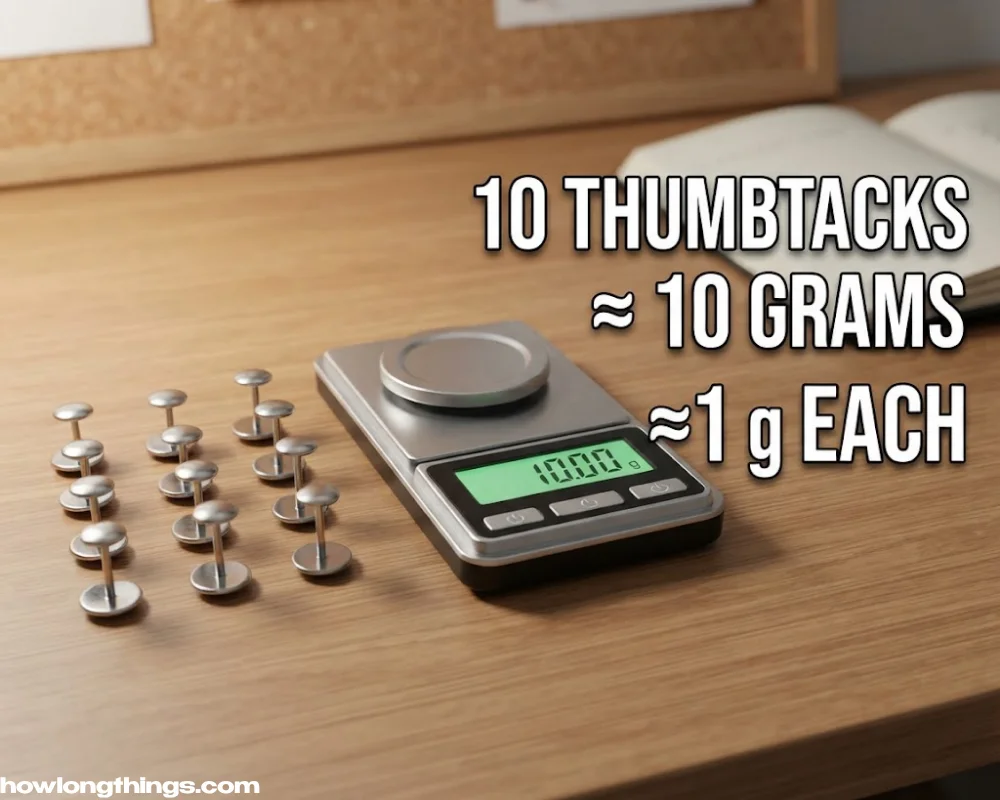
Ten Thumbtacks
Metal thumbtacks weigh about 1 gram each, similar to paper clips. Ten of them together land close to 10 grams, and their durable construction keeps that weight consistent over time.
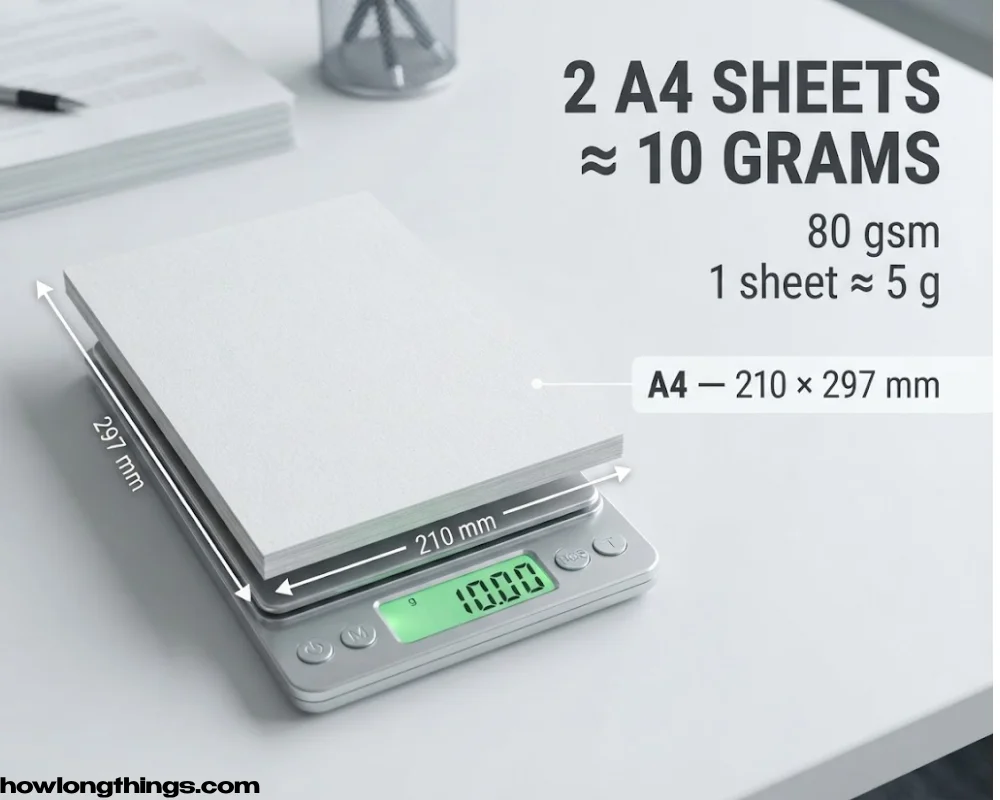
Two Sheets of A4 Paper
Standard office paper is rated at 80 gsm (grams per square meter), and one A4 sheet at that weight comes out to roughly 5 grams. Two sheets together weigh close to 10 grams.
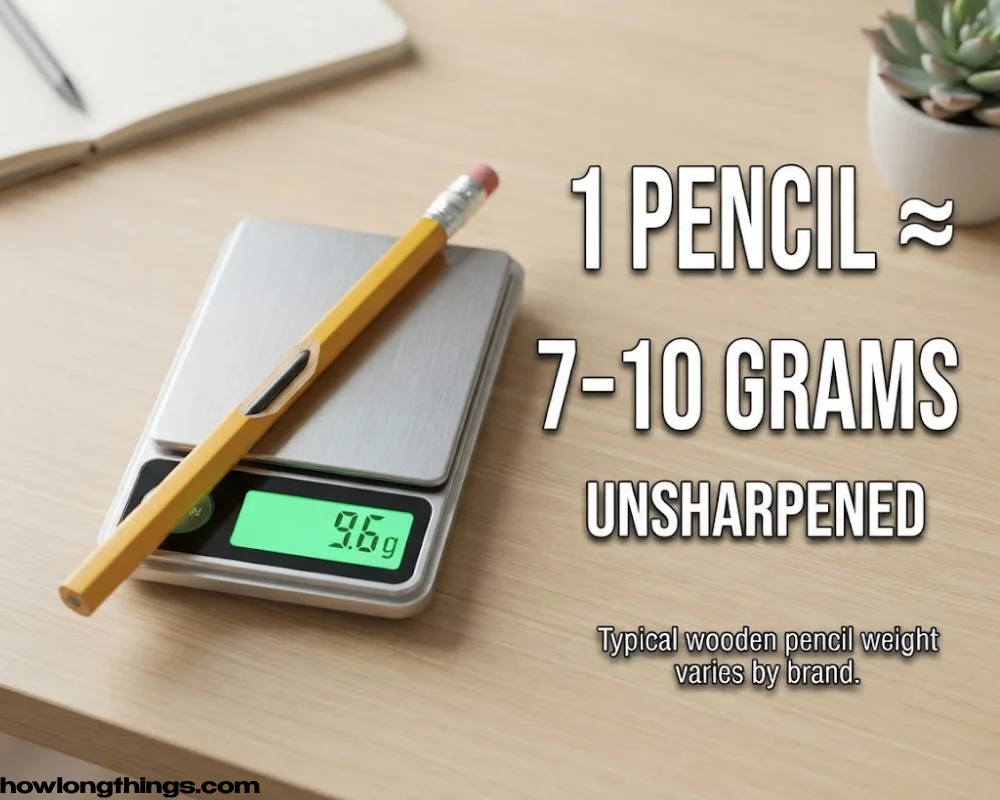
One Unsharpened Graphite Pencil
A typical wooden pencil weighs between 7 and 10 grams before sharpening. Pencils are made from crystalline graphite encased in wood, and their weight stays fairly consistent across brands.
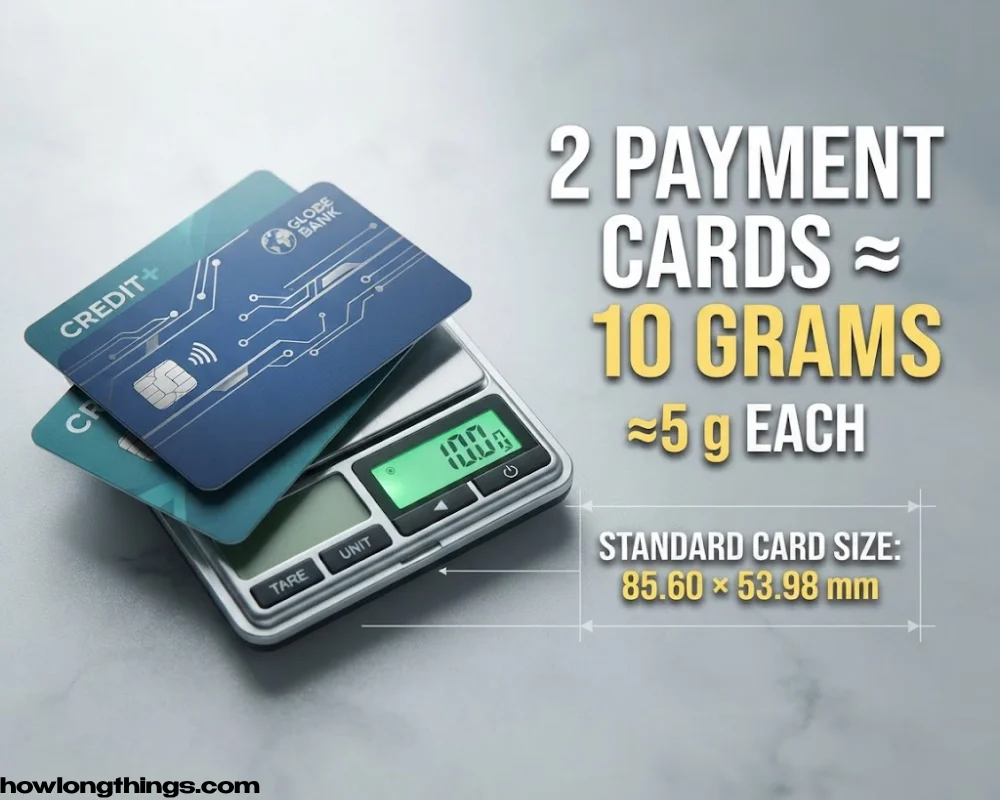
Two Credit or Debit Cards
A standard payment card, made from PVC or polyester resin, weighs about 5 grams. Two cards together equal roughly 10 grams, and since most people carry at least one, it’s an easy pocket reference.
Two Teaspoons of Granulated Sugar
Two level teaspoons of white sugar weigh close to 10 grams total. This comparison matters in baking, where precise gram measurements affect texture far more than volume-based scoops.
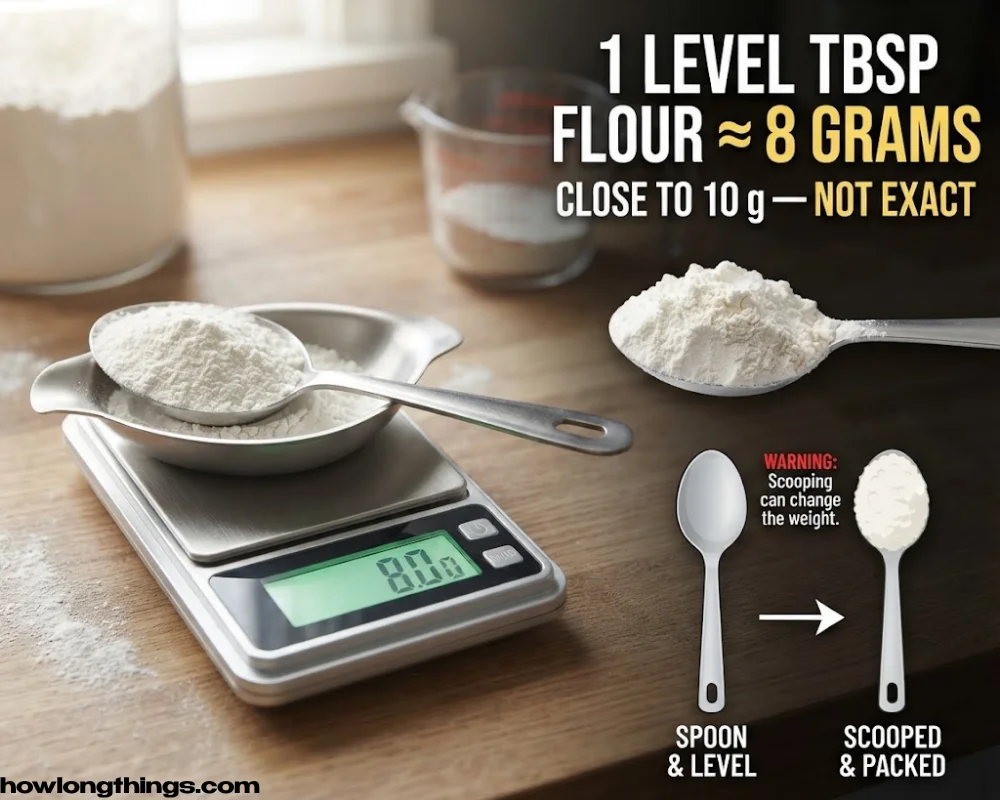
One Tablespoon of Flour
A spooned-and-leveled tablespoon of all-purpose flour weighs approximately 8 grams — close to but not quite 10. Scooping instead of spooning packs the flour down and throws the measurement off.
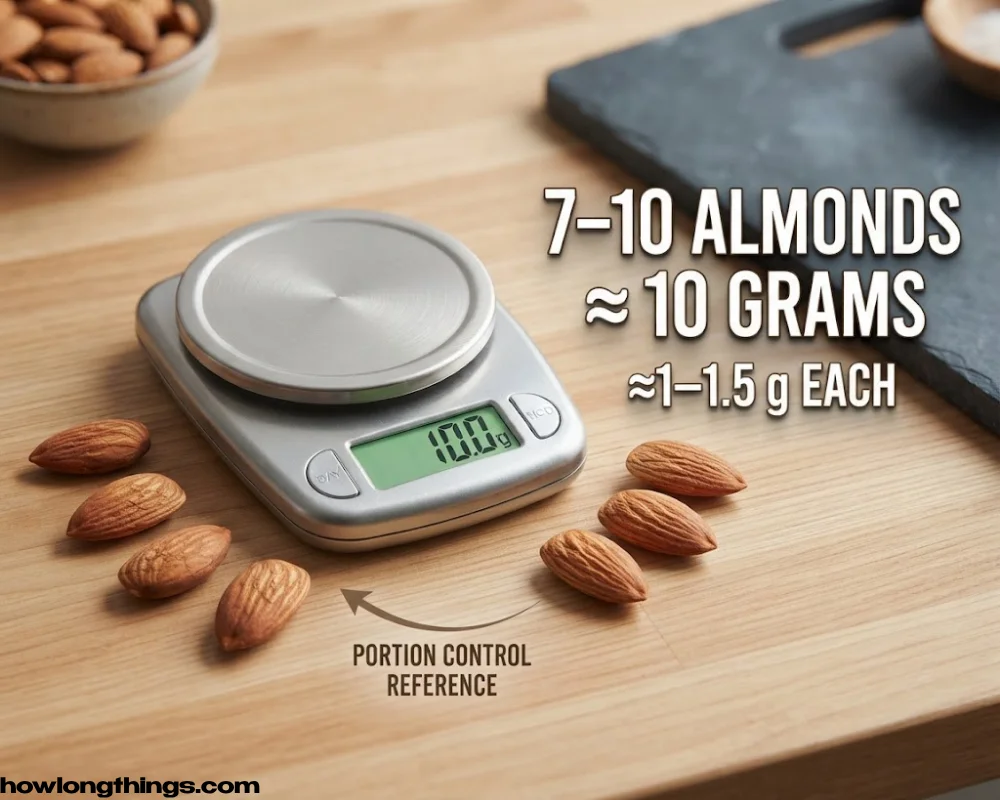
Seven to Ten Almonds
A single almond weighs between 1 and 1.5 grams, so seven to ten of them land around 10 grams total. This makes almonds a handy, healthy reference for portion control.
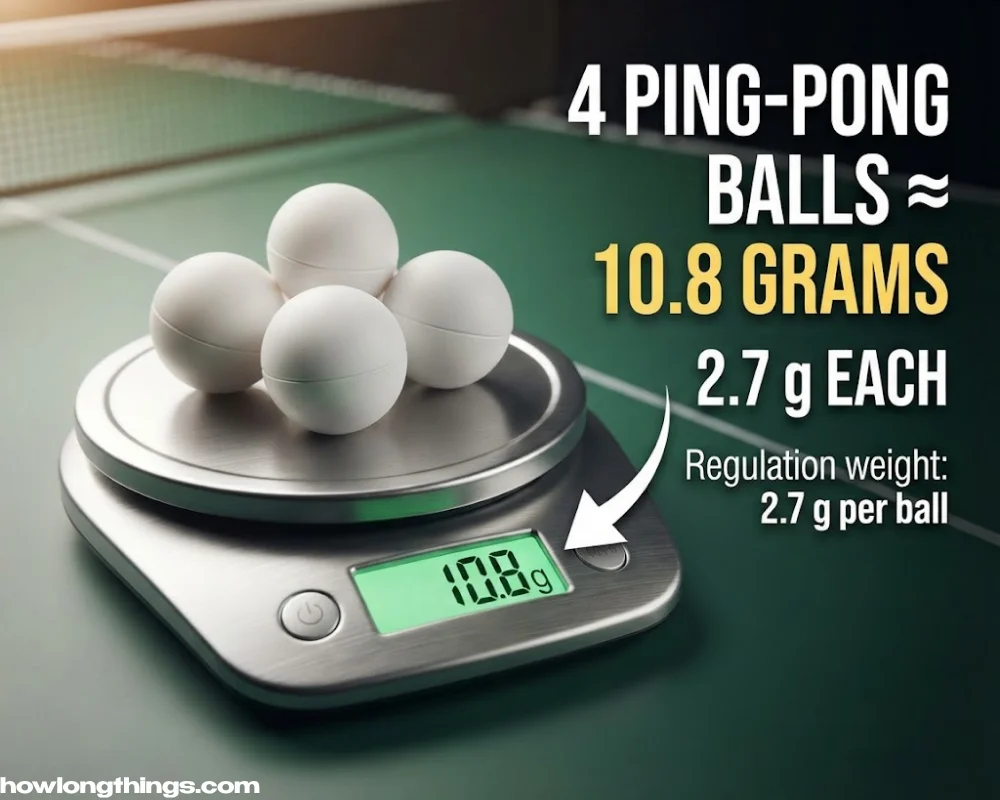
Four Ping-Pong Balls
Regulation table tennis balls weigh 2.7 grams each under international standards, putting four of them at about 10.8 grams. Their hollow celluloid or plastic construction keeps the weight remarkably uniform.
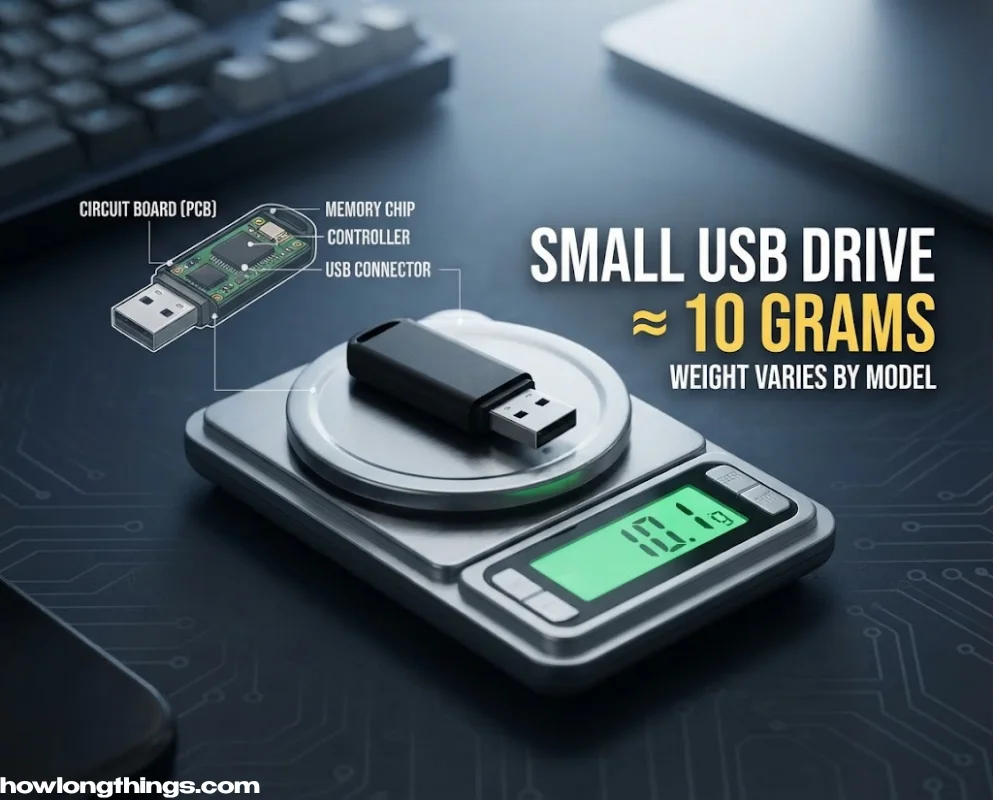
A Small USB Flash Drive
Many compact flash drives weigh close to 10 grams, since their casing is small but dense with internal components. It’s a comparison almost anyone with a tech drawer can test firsthand.
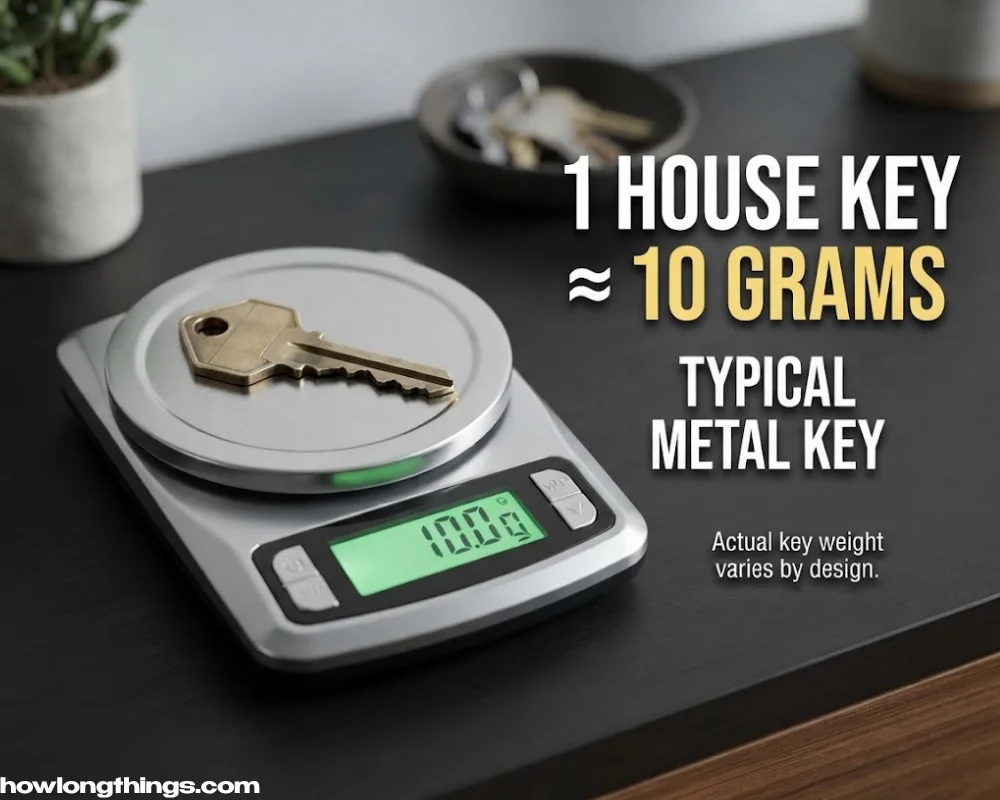
A Single House Key
An average metal house key weighs close to 10 grams on its own. Because keys are something nearly everyone carries daily, this comparison feels especially intuitive.
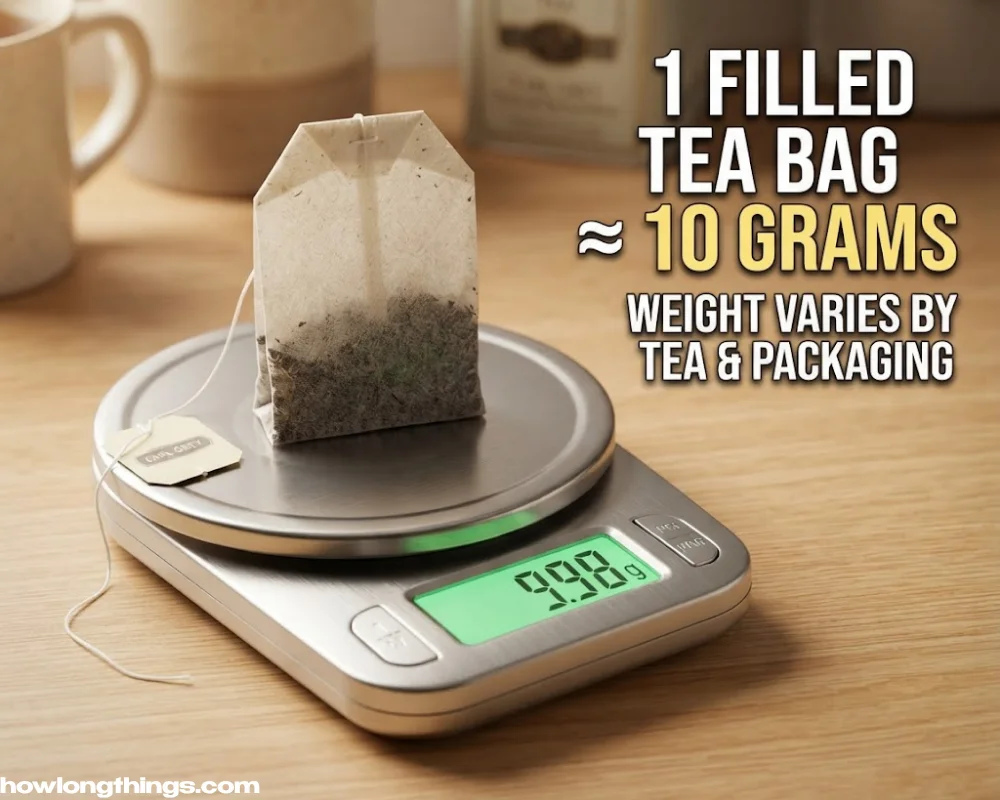
A Tea Bag
A filled tea bag, leaves and packaging included, often weighs close to 10 grams. It’s a small but familiar kitchen object that connects directly to gram-based recipe measurements.
A Heaping Coffee Scoop
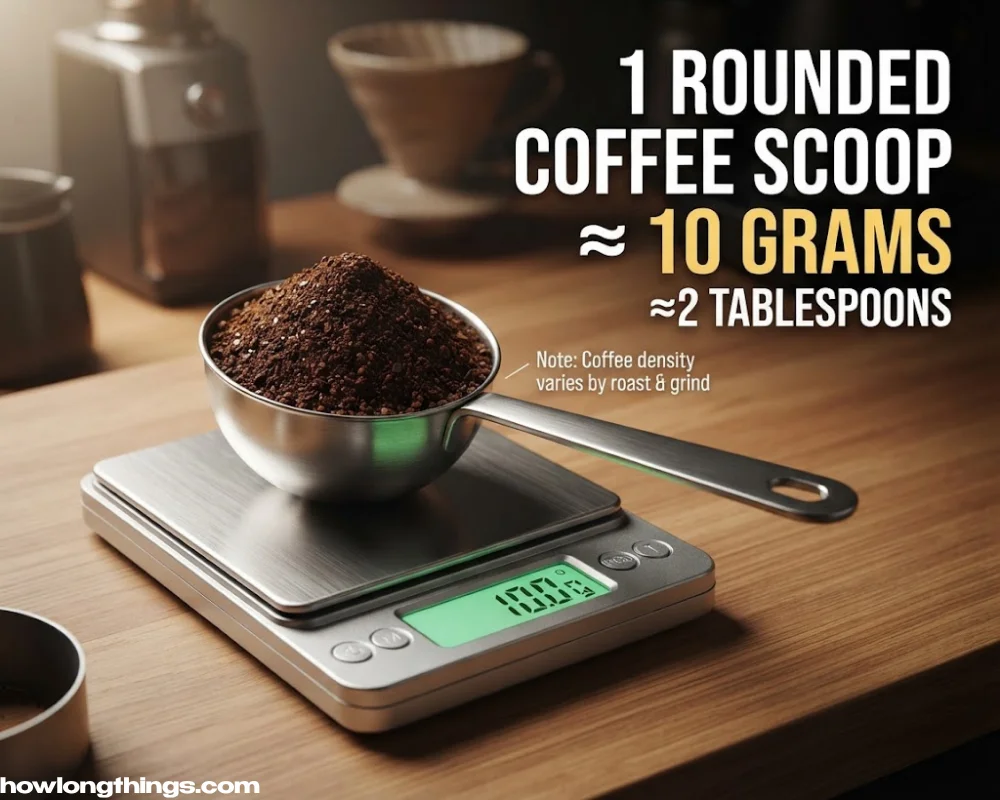
A rounded scoop of ground coffee weighs about 10 grams, roughly equal to two standard tablespoons. Coffee scoops are one of the few kitchen tools designed with a specific gram weight already in mind.
A Pair of Wireless Earbuds
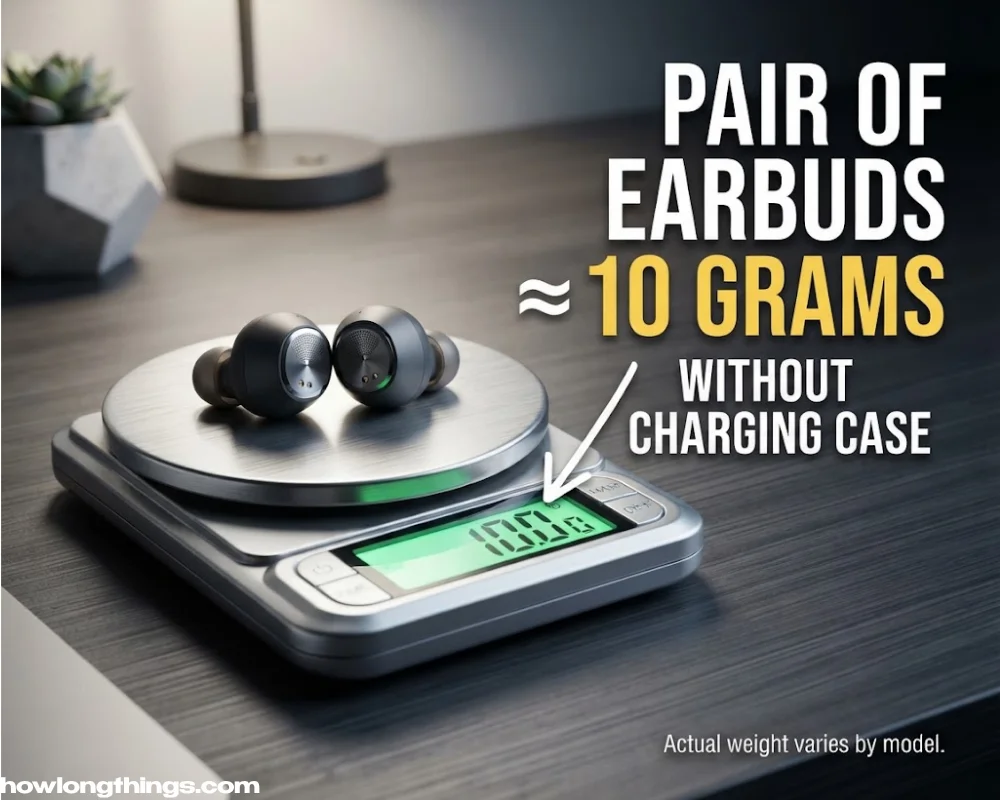
Lightweight earbuds, minus their charging case, often weigh close to 10 grams combined. Their compact plastic and battery components are engineered to stay light for all-day wear.
Six Playing Cards
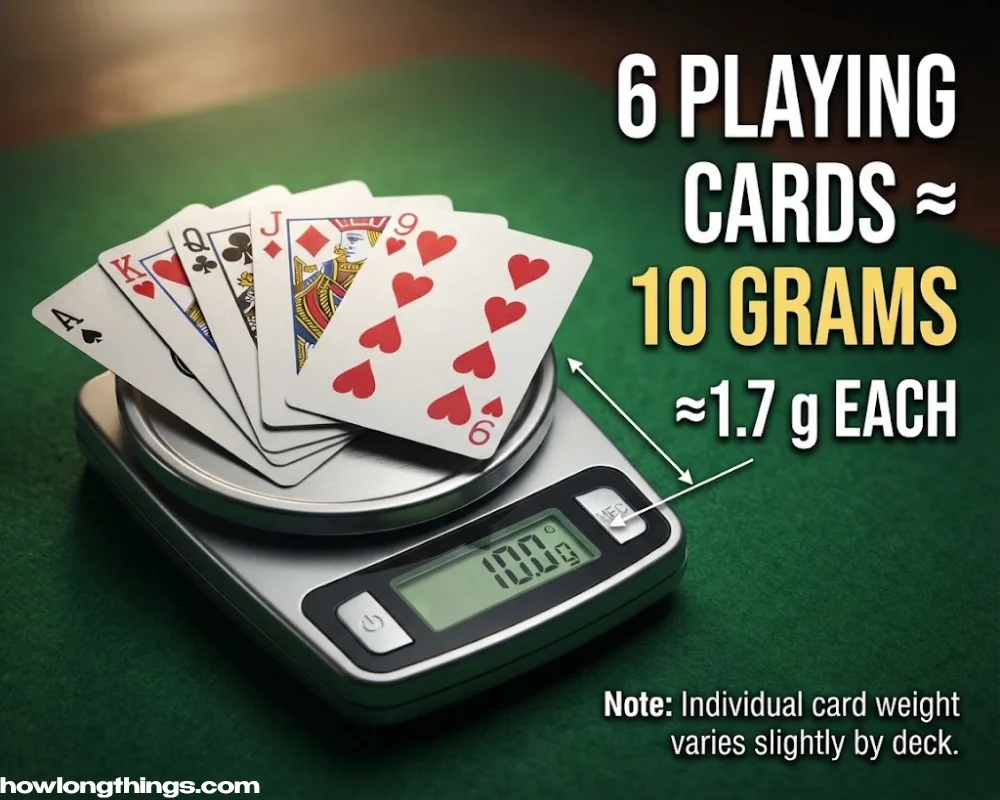
A full 52-card deck weighs a little over three ounces, so roughly six individual cards come out close to 10 grams. It’s a comparison that works well since most households have a deck within reach.
Not every kitchen or desk has a digital scale nearby. Still, there are dependable ways to estimate 10 grams using things you already own.
Use the coin method for precision. Two nickels or four pennies give you an exact 10-gram reference, since US coins follow strict manufacturing standards.
Use the spoon method for dry ingredients. Two level teaspoons of sugar get you close to 10 grams, while flour needs a properly spooned-and-leveled tablespoon rather than a packed scoop.
Try a DIY balance for a quick check. A ruler resting on a pencil, used as a simple fulcrum, can compare an unknown item against a known 10-gram object like two nickels. When both sides level out, you’ve found your match.
Rely on pre-measured items when precision isn’t critical. A heaping coffee scoop, a filled tea bag, or a small bundle of almonds all sit close enough to 10 grams for everyday cooking and estimating.
10 Grams vs Other Common Weights (and Common Mistakes)
Comparing 10 grams to nearby weights helps build a stronger intuitive sense of the scale. It’s ten times heavier than a single gram, and exactly one-tenth of 100 grams. Against an ounce, it comes out to roughly one-third; against a pound, it’s a tiny fraction — just over 2%.
A few mistakes come up often. Many people assume 10 grams always equals one tablespoon, but that only holds true for a handful of dense liquids — most dry ingredients fall short of a full tablespoon at this weight.
Another common mix-up is assuming small objects are automatically light. A dense metal key or a stack of coins can weigh the same as a much bulkier item like a handful of paper clips, since weight depends on density, not just size.
How much is 10 grams? easy way to measure at home
The easiest way to measure 10 grams at home is with a digital kitchen scale for the most accurate result. Without a scale, two US nickels equal exactly 10 grams, making them a simple reference. You can also estimate 10 grams with two level teaspoons of granulated sugar, which is close to 10 grams.
FAQs About 10 Grams
How much is 10 grams?
10 grams is about 0.35 ounces (oz). It’s roughly the weight of two US nickels, 10 paper clips, or a small handful of almonds.
Is 10 Grams Equal to 1 Tablespoon?
No. A tablespoon measures volume, and 10 grams falls short of a full tablespoon for most dry ingredients. It typically works out to about two-thirds of a tablespoon, depending on what’s being measured.
Is 1 Teaspoon Equal to 10 Grams?
Not quite. One level teaspoon of sugar or water weighs closer to 5 grams, so it takes roughly two teaspoons to reach 10 grams.
How Many Teaspoons Is 10 Grams?
About 2 teaspoons, though the exact amount shifts slightly depending on the ingredient’s density. Sugar and water land close to this figure, while lighter powders may need a bit more volume.
How Many Spoons Is 10 Grams?
For teaspoons, it’s about 2. For tablespoons, it’s closer to ⅔ of one, since a full tablespoon of most ingredients weighs more than 10 grams.
How Much Does 10 Grams Look Like?
Picture two nickels, a pair of credit cards, or a small handful of almonds — each sits close to 10 grams. Holding any of these gives an accurate physical sense of the weight.
How to Measure 10 Grams at Home?
A digital kitchen scale gives the most accurate result. Without one, two nickels, four pennies, or two level teaspoons of sugar all provide close, reliable estimates.
Conclusion
10 gramsmay be small, but it’s a weight you interact with constantly — in your spare change, your kitchen spoons, and the everyday objects scattered around your desk. Once you connect it to something familiar, like two nickels or a tea bag, visualizing this measurement becomes second nature.
Elizabeth Queen is a Owner and consumer research writer at HowLongThings.com, specializing in product lifespan, durability, and everyday household research. She’s passionate about helping readers make smarter, longer-lasting buying decisions.