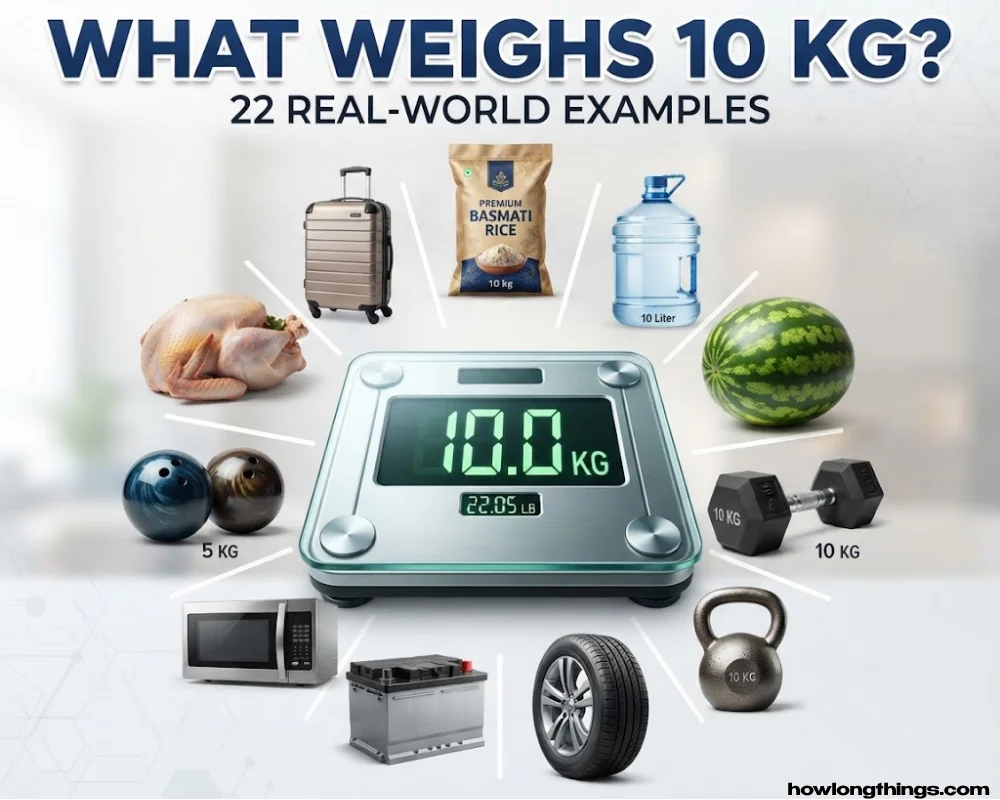
10 kg equals 10,000 grams, or about 22.05 pounds — roughly the weight of a medium-sized dog, a large watermelon, or a 1-year-old baby. It’s a weight most Americans run into weekly without even noticing.
This guide breaks down 22 real-life things that weigh 10 kg, explains how heavy 10 kg actually feels in your hands, and answers the most common questions people search about this exact weight.
Table of Contents
How Heavy Is 10 Kg? Quick Conversion Answer
Before the examples, here’s the direct conversion for 10 kilograms:
Unit
10 Kg Equals
Grams
10,000 g
Pounds
22.05 lbs
Ounces
352.74 oz
Stone
1.57 st
Metric Tons
0.01 tonnes
So if you’re asking “10 kg in pounds,” the answer is simple: 22.05 lbs, using the standard factor of 1 kg = 2.20462 lbs. That’s roughly the weight of two gallons of milk stacked together.
22 Things That Weigh 10 Kg (Real-World Examples)
Numbers on a page rarely mean much. Real objects do. Below are 22 things that weigh 10 kg, grouped by category so you can find the comparison that clicks fastest.
Kitchen & Grocery Items
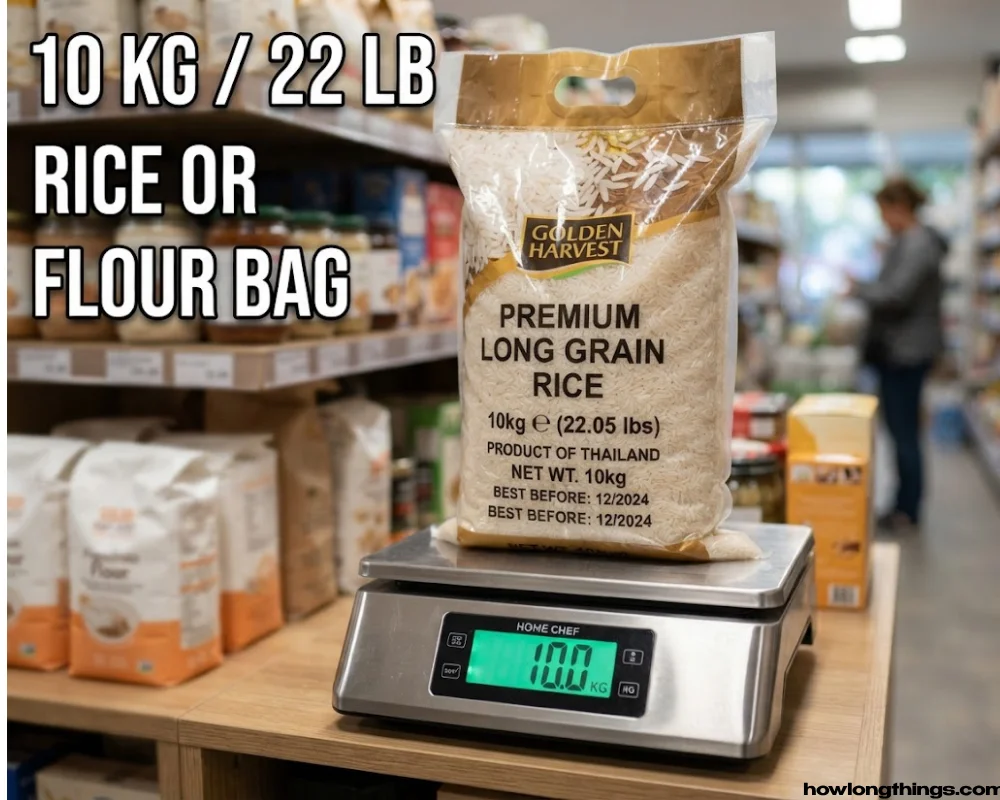
A Bag of Rice or Flour
A 10 kg bag of long-grain rice or all-purpose flour is a staple at warehouse stores like Costco and Sam’s Club. It’s one of the most reliable 10kg weight examples because the packaging is labeled with the exact weight, no guesswork needed.
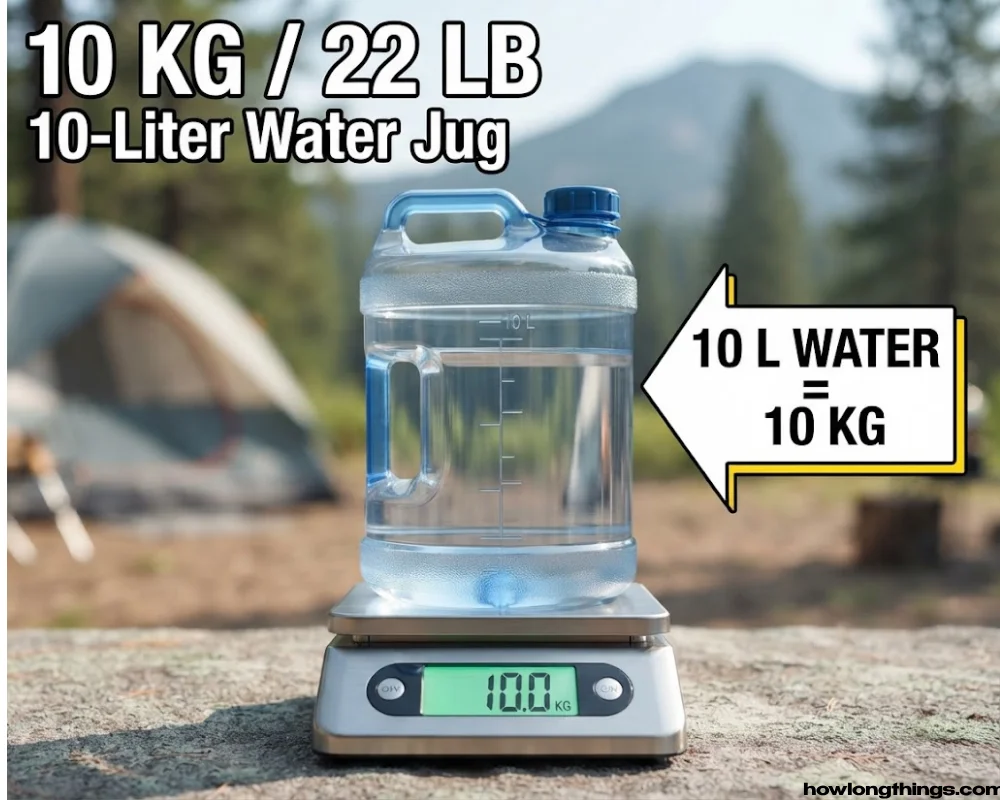
A 10-Liter Water Jug
Water has a density of exactly 1 gram per milliliter, so 10 liters of water weighs precisely 10 kg. This is one of the cleanest weight comparisons in measurement science, and a filled camping jug proves it instantly.
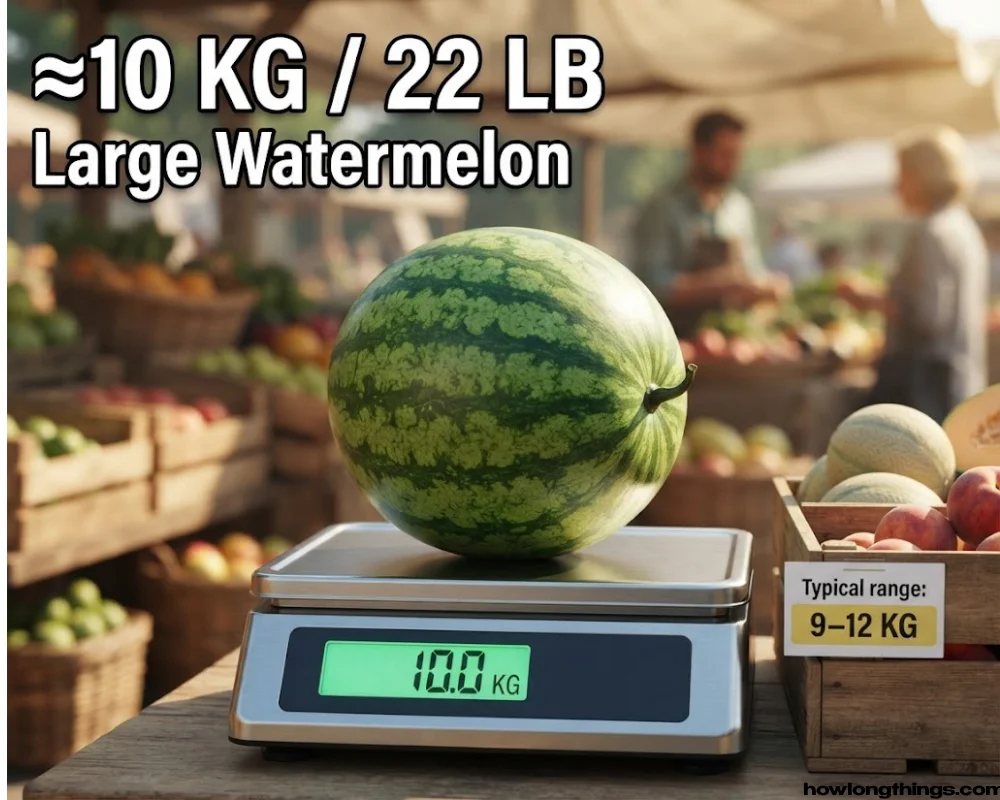
A Large Watermelon
A ripe watermelon typically weighs between 9 and 12 kilograms, landing squarely in the 10 kg range. Roughly 92% of a watermelon’s mass is water, which explains why it feels so heavy relative to its size.
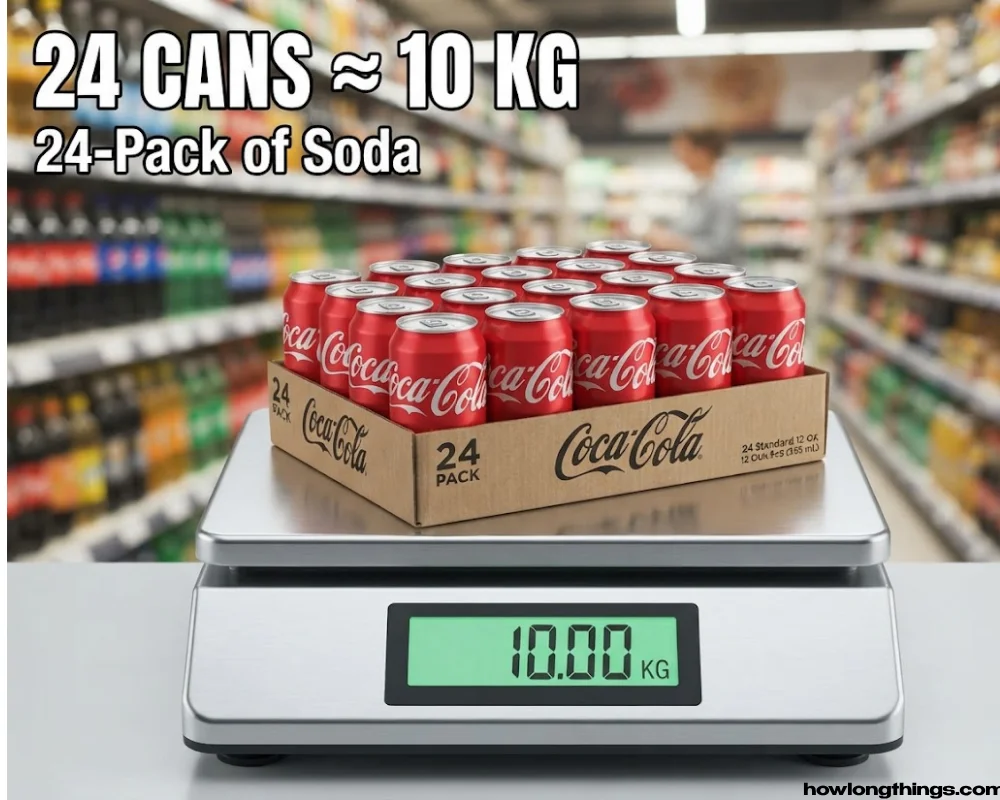
A 24-Pack of Soda Cans
A full case of 24 standard 12-ounce soda cans weighs close to 10 kg once you count the liquid, aluminum, and cardboard together. Each can holds about 355 ml, and that volume adds up fast across two dozen cans.
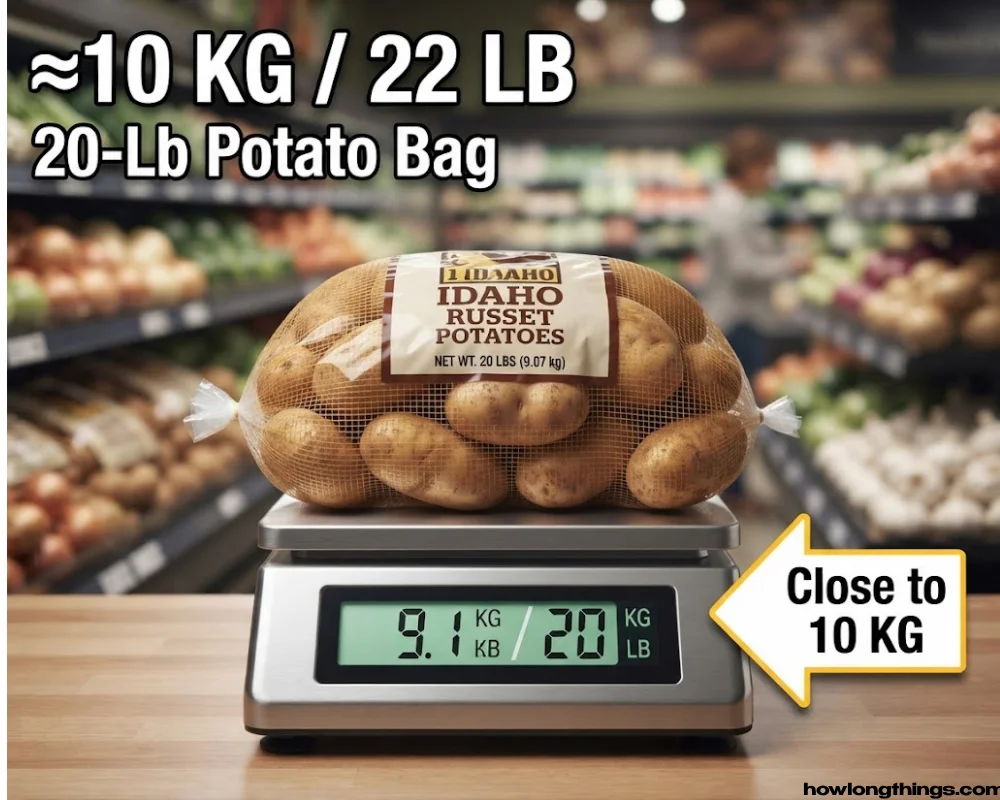
A Bag of Potatoes
A 20-pound bag of russet potatoes (about 9 kg) sits right at the 10 kg mark, according to standard USDA grocery packaging guidelines. Idaho russets are typically bagged in 5, 10, and 20-pound increments in U.S. supermarkets.
Fitness & Gym Equipment
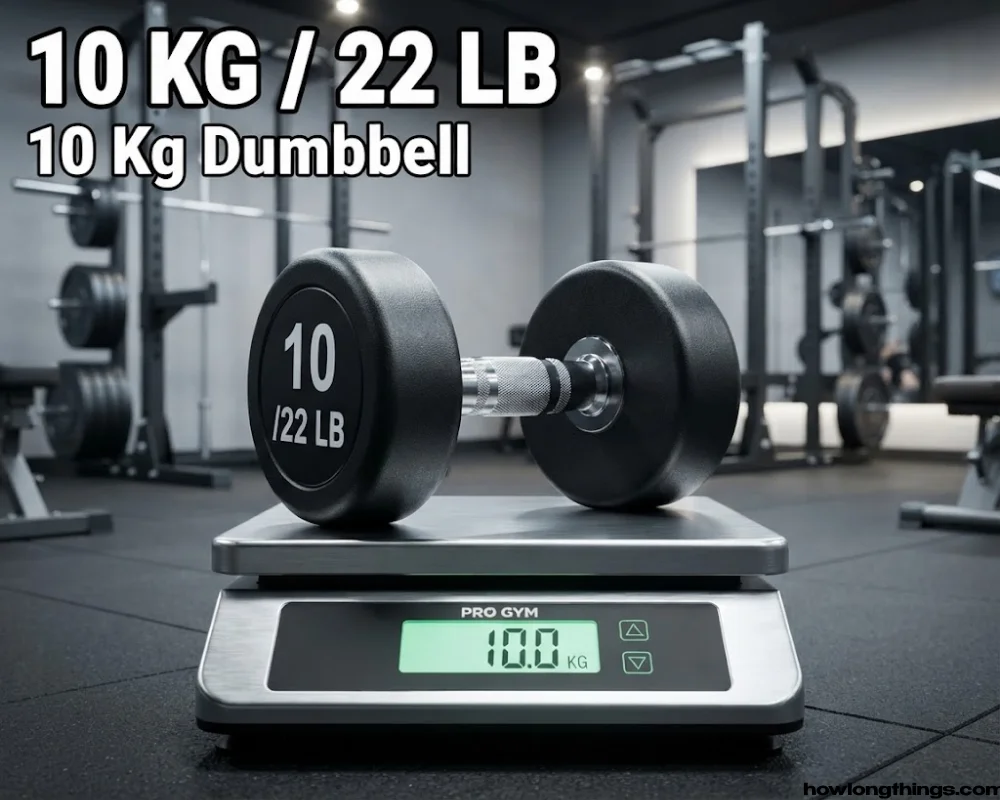
A 10 Kg Dumbbell
A 10 kg dumbbell is the most literal entry on this list — it’s labeled exactly what it weighs. Brands like CAP Barbell and Bowflex sell these widely, and they’re a go-to for shoulder presses, curls, and rows.
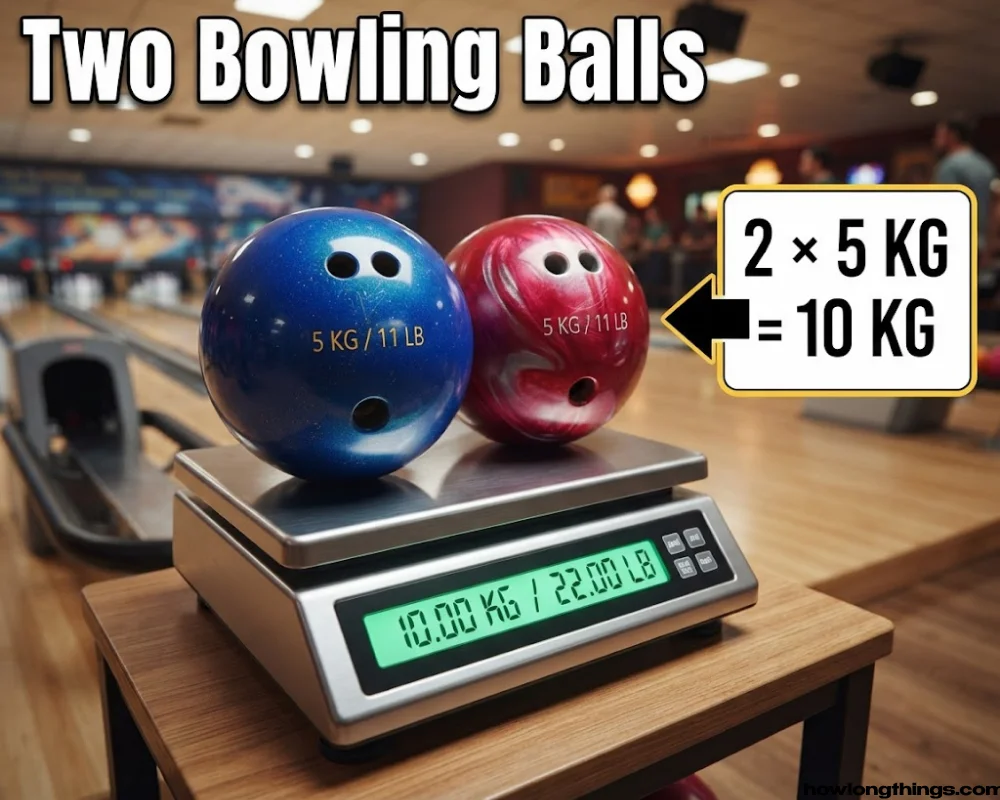
Two Bowling Balls
A standard bowling ball weighs between 4.5 and 7.3 kg, but two lighter house balls (around 5 kg each) together land close to 10 kilograms combined. Most bowling alleys stock balls in this range for casual players.
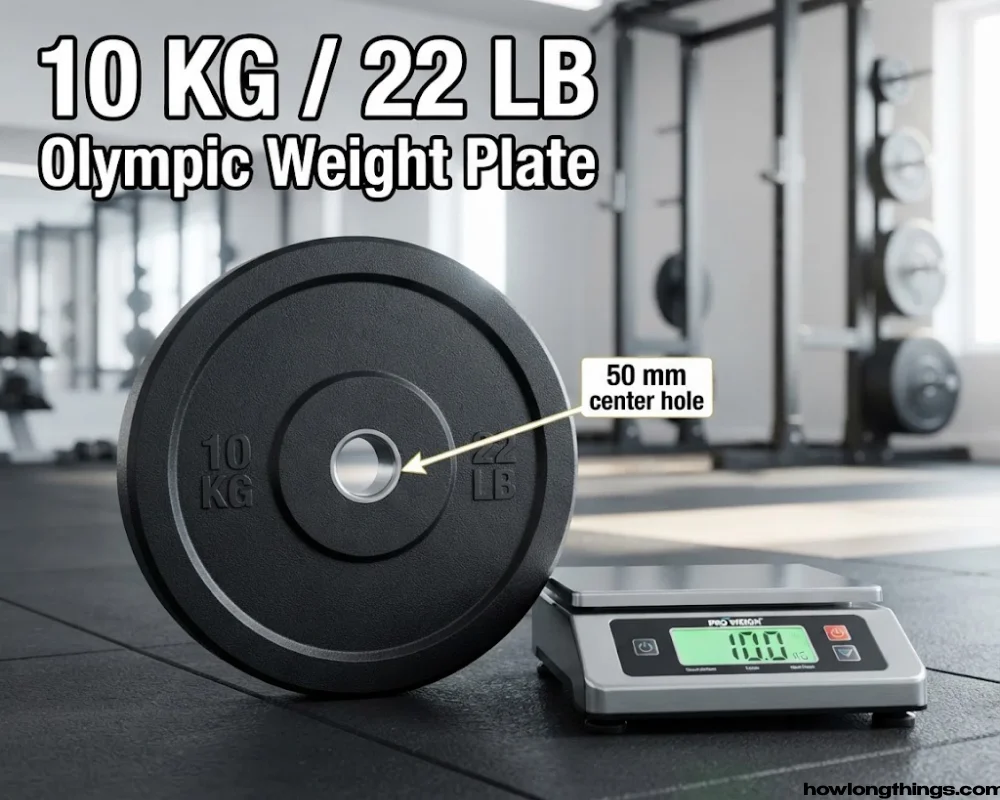
An Olympic 10 Kg Weight Plate
Every serious gym has a 10 kg cast-iron or rubber-coated plate sitting on the rack. These plates use a standard 50 mm center hole and are a core part of barbell training worldwide.
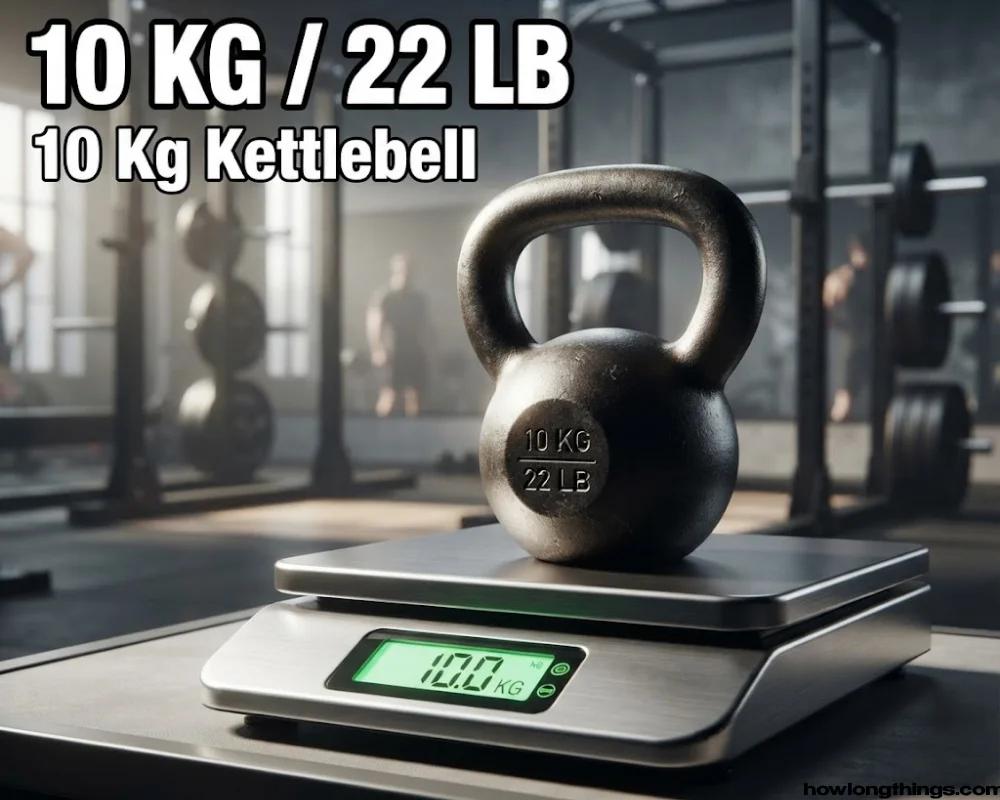
A Kettlebell
A 10 kg kettlebell (about 22 lbs) is a popular size for swings, goblet squats, and Turkish get-ups. Unlike a dumbbell, its offset handle shifts the center of gravity, making the same weight feel noticeably harder to control.
Home, Garage & Construction Items
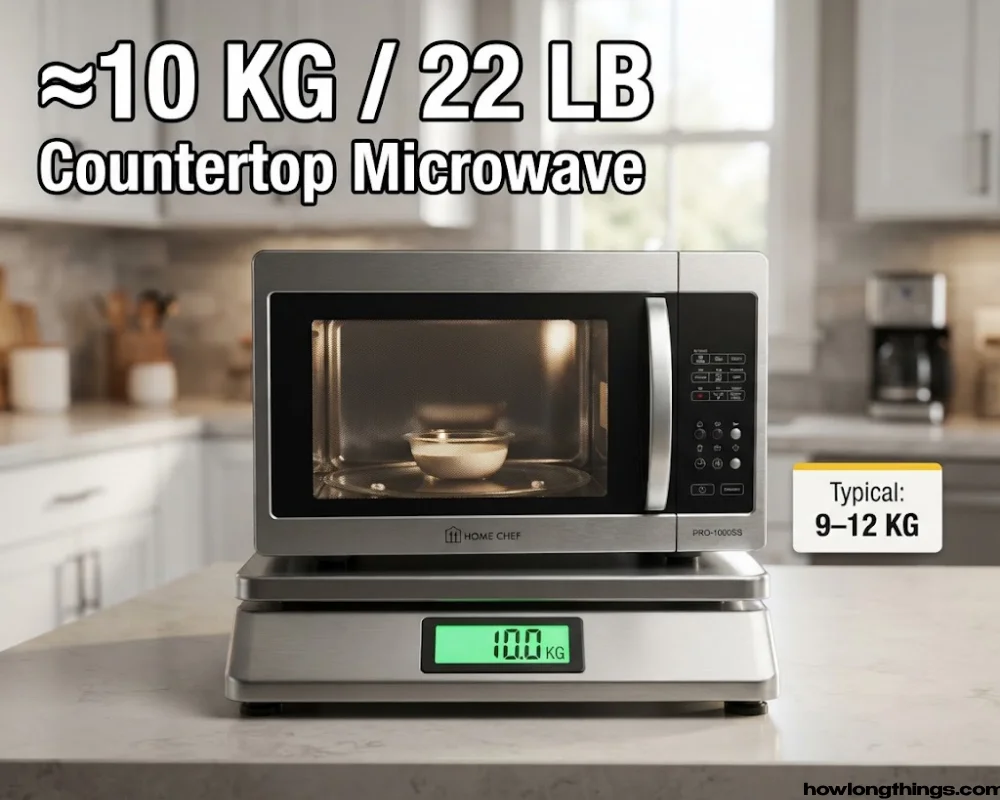
A Countertop Microwave
Most countertop microwaves weigh between 9 and 12 kg, putting the average unit right at the 10 kg benchmark. The glass turntable and dense metal casing add more weight than most people expect.
Two Gallons of Paint
A single gallon of interior latex paint weighs roughly 4.5 to 5 kg, so two gallons come out close to 10 kg. Homeowners who’ve carried paint up a staircase already know this weight firsthand.
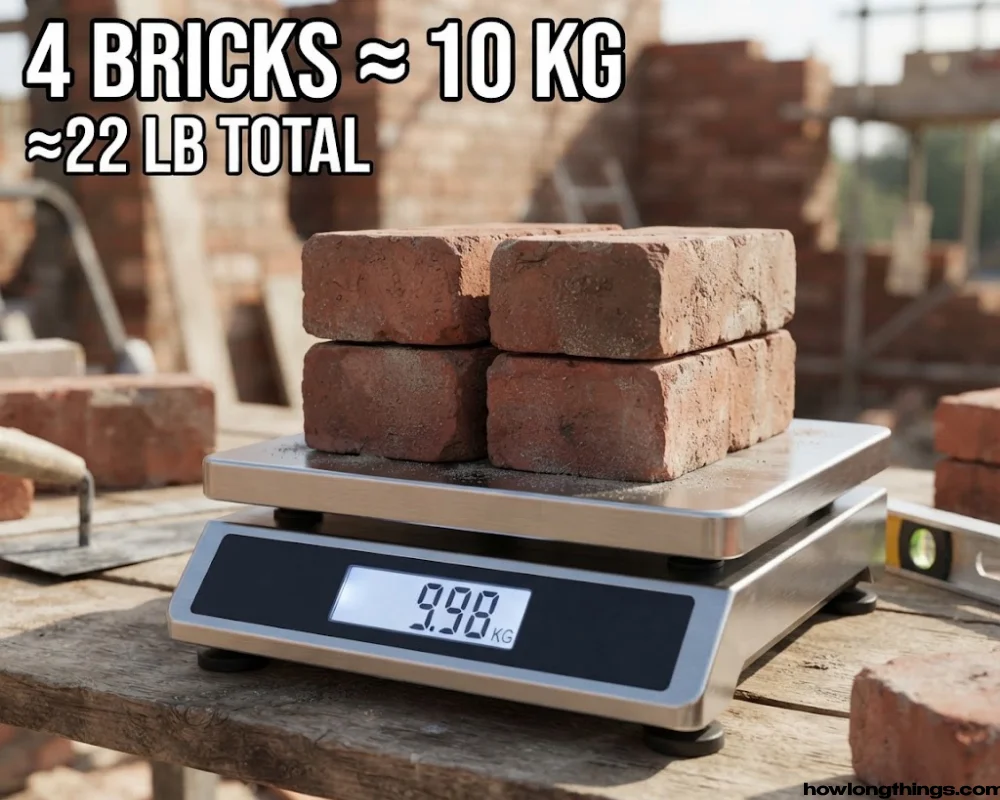
Four Standard Bricks
A single red clay brick weighs about 2.3 to 2.5 kg, so four of them add up to nearly 10 kg exactly. Bricklayers handle stacks like this constantly on residential job sites.
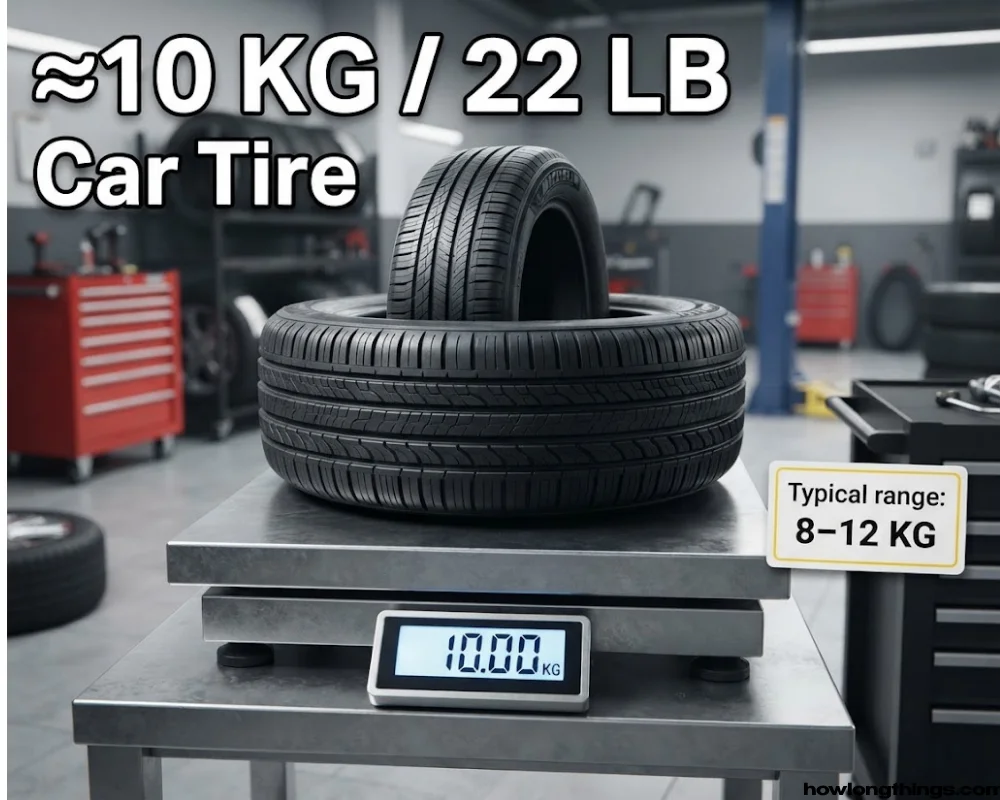
A Car Tire
A standard passenger car tire, without the rim, weighs between 8 and 12 kg depending on the vehicle type. Compact car tires sit closer to 9 kg, while SUV tires push toward the higher end.
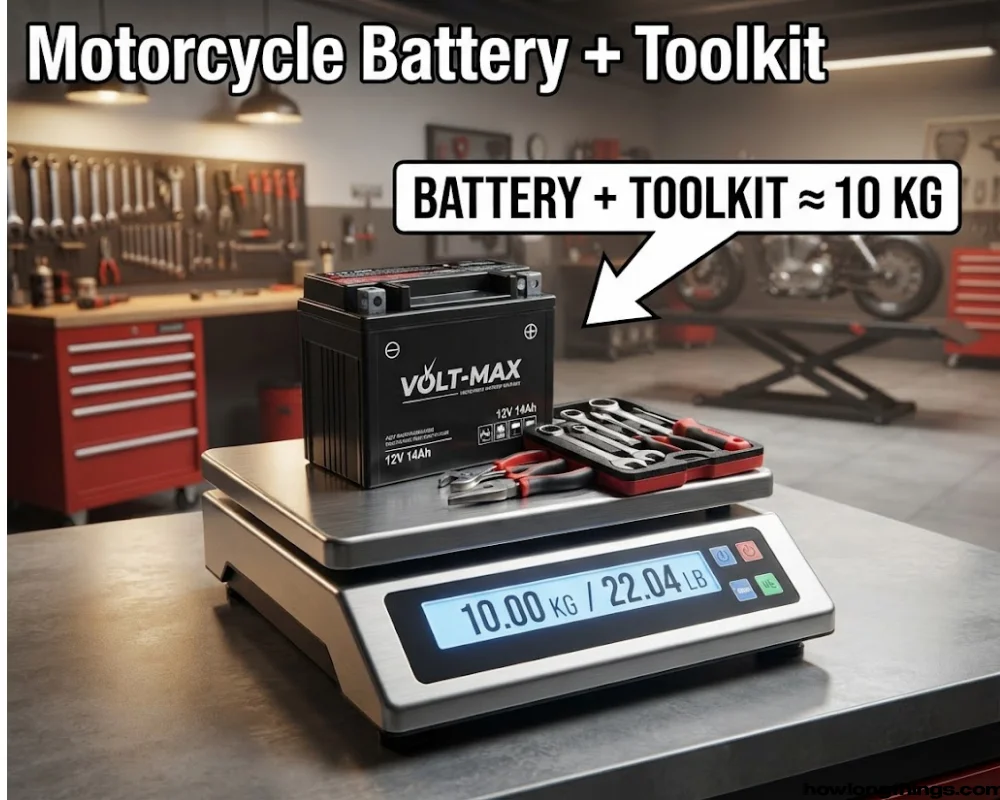
A Motorcycle Battery and Toolkit
A motorcycle battery alone weighs 3 to 5 kg. Add a basic mechanic’s toolkit of wrenches and pliers, and the combined weight lands right around 10 kg — a load every home mechanic has hoisted at some point.
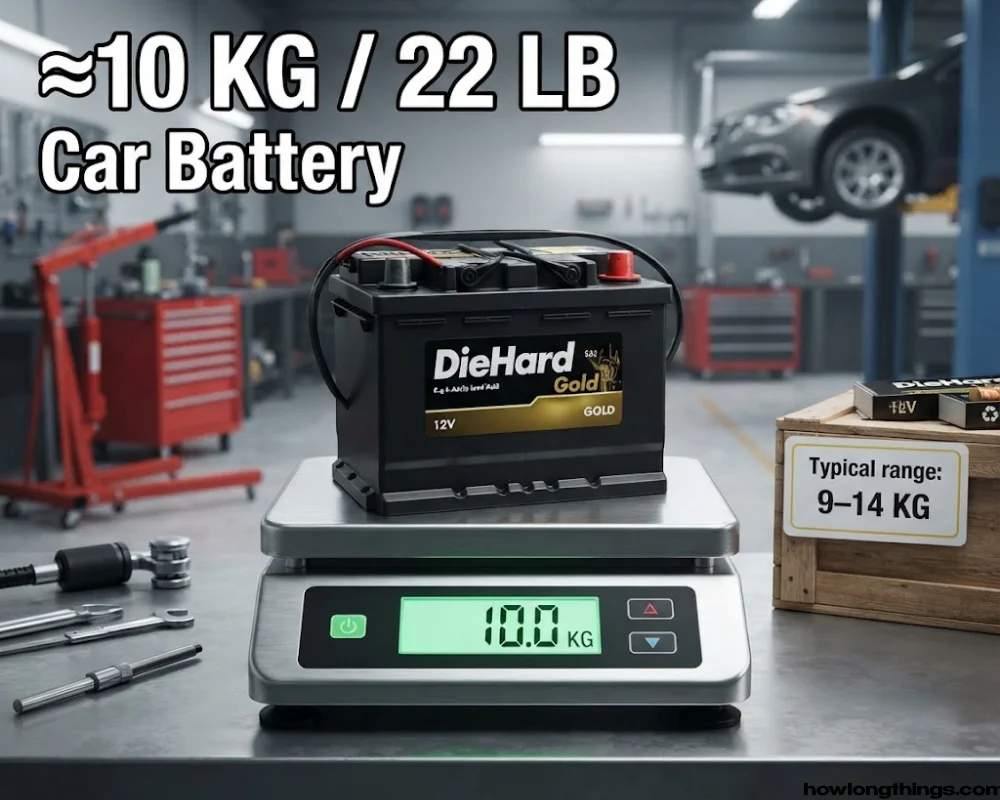
A Standard Car Battery
A typical automotive lead-acid battery weighs between 9 and 14 kg, with many mid-size models sitting close to 10 kg. That’s why swapping one out solo can genuinely strain your lower back if you’re not careful.
Pets & Animals
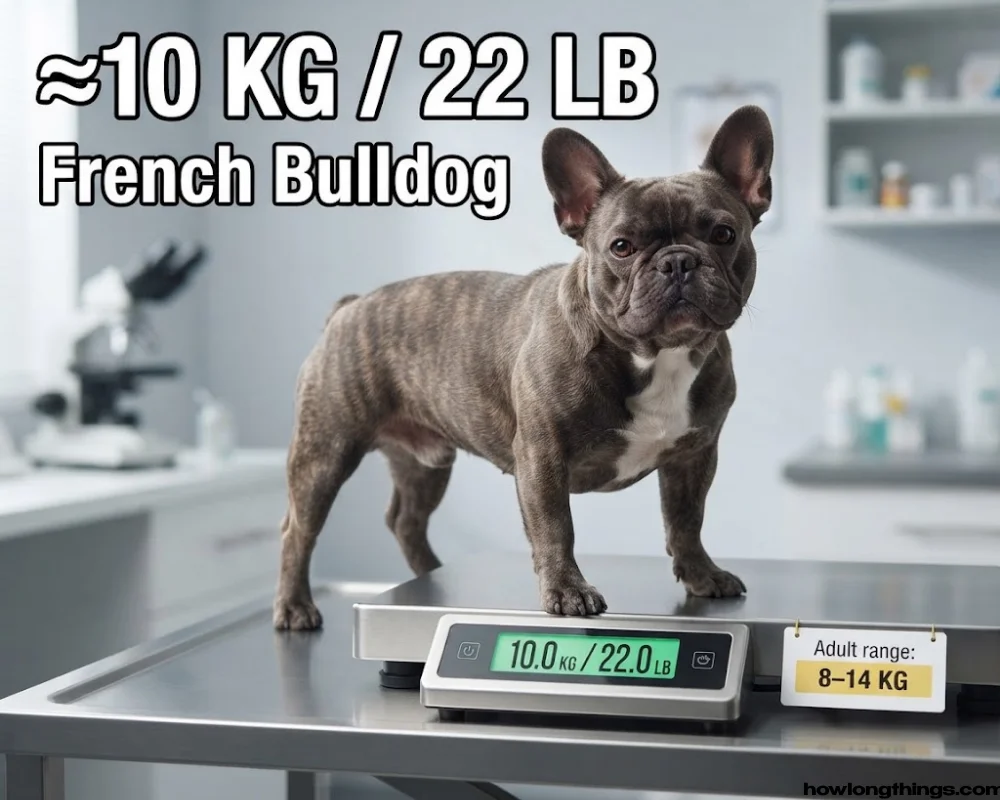
A French Bulldog
An adult French Bulldog typically weighs between 8 and 14 kg, with healthy males averaging close to 10 kg. Anyone who’s picked one up knows the weight feels denser than expected, thanks to their compact, muscular build.
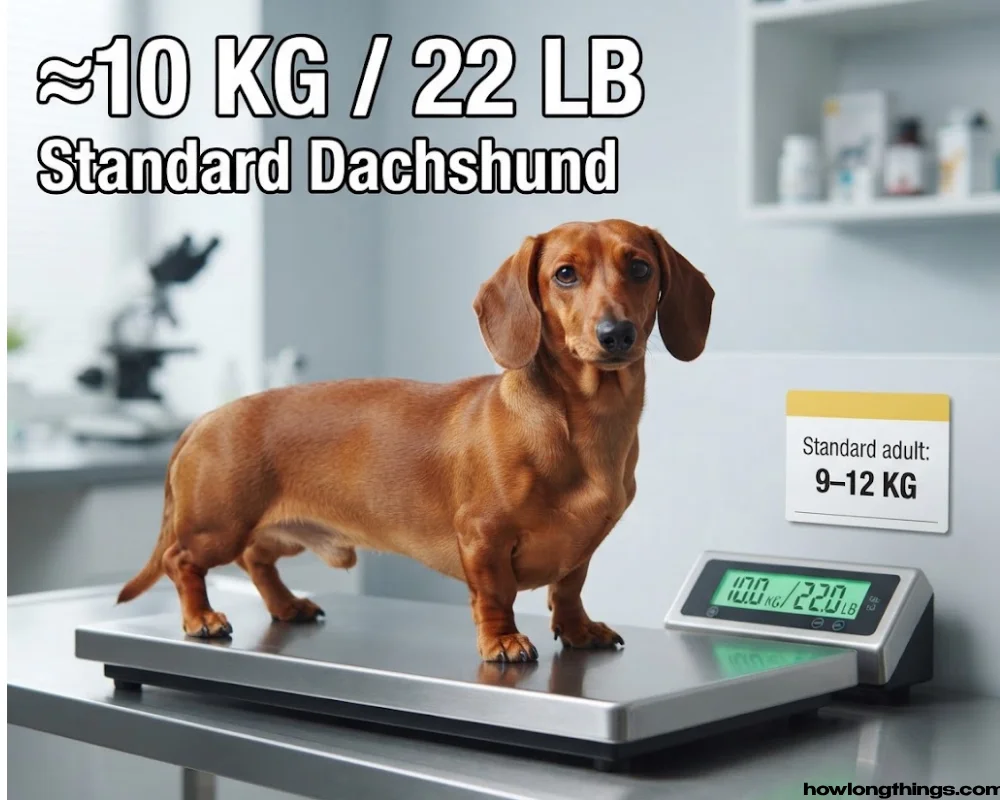
A Full-Grown Dachshund
The standard Dachshund (not the miniature variety) weighs 9 to 12 kg as an adult. Miniature Dachshunds, by contrast, weigh under 5 kg, so breed size matters here.
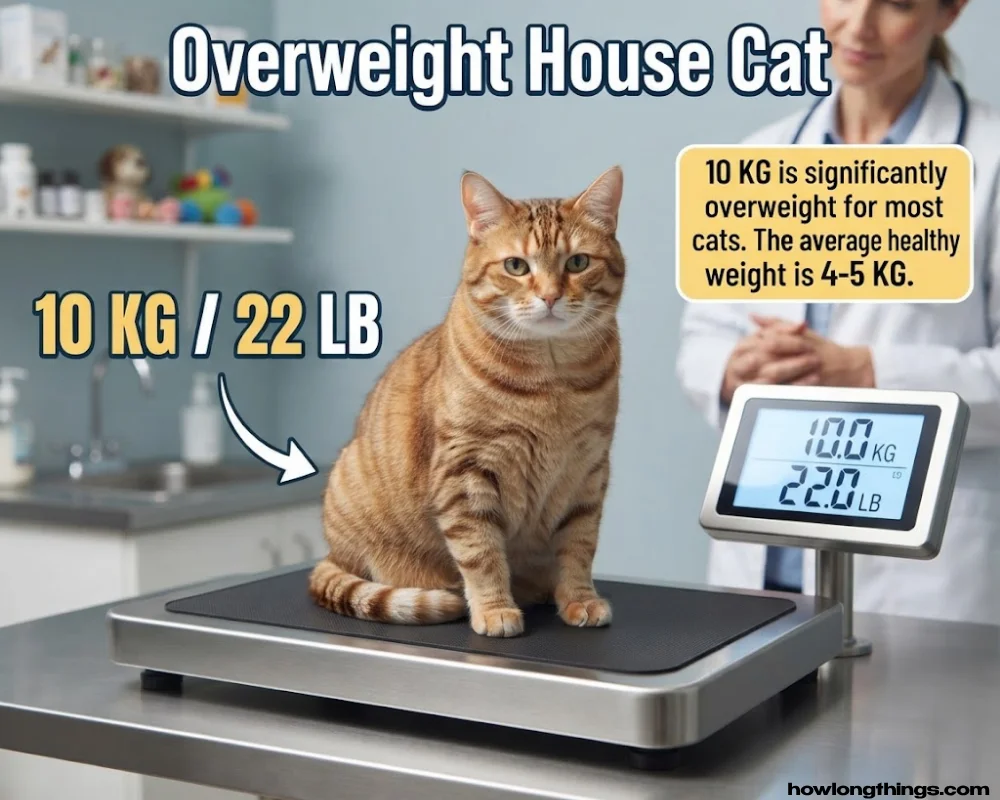
An Overweight House Cat
The average domestic cat weighs 4 to 5 kg, so a cat tipping the scale at 10 kg is significantly overweight. Veterinarians generally flag cats above 6 kg as needing a dietary check-in.
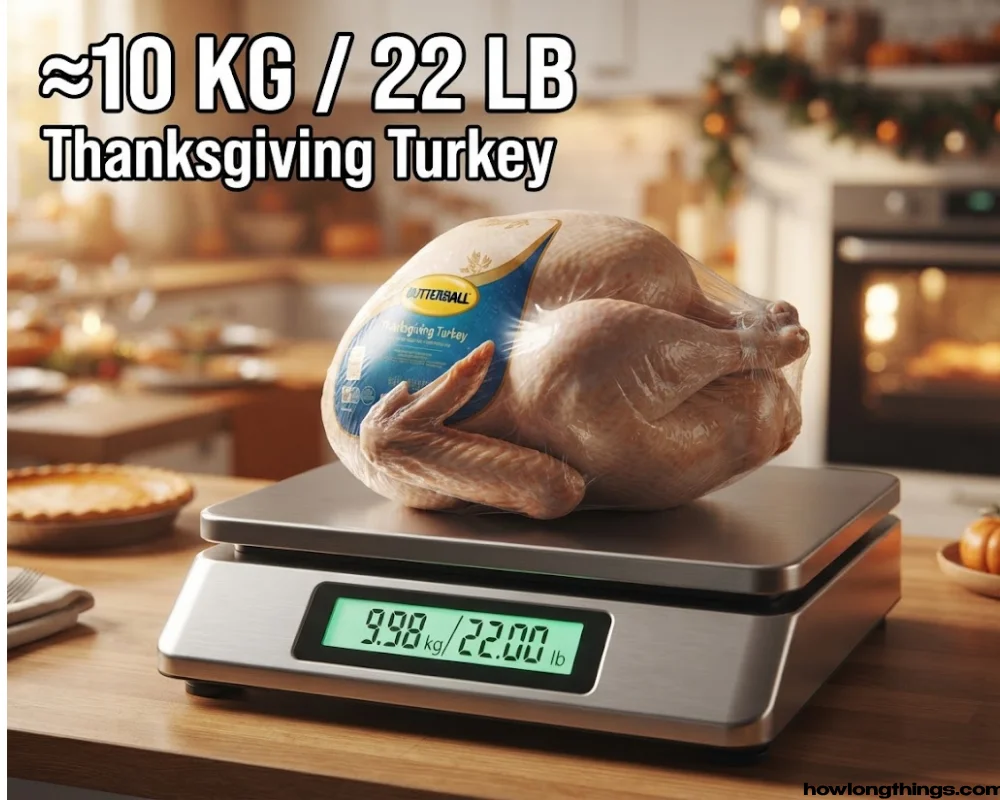
A Thanksgiving Turkey
A mid-size Thanksgiving turkey purchased for a family of six to eight typically weighs close to 10 kg (roughly 22 lbs). It’s a seasonal but extremely relatable comparison for U.S. households every November.
People & Travel
A 1-Year-Old Baby
According to CDC growth chart data, the median weight for a healthy 12-month-old is close to 10 kg for both boys and girls. Parents who carry their toddler daily already have a muscle-memory sense of this exact weight.
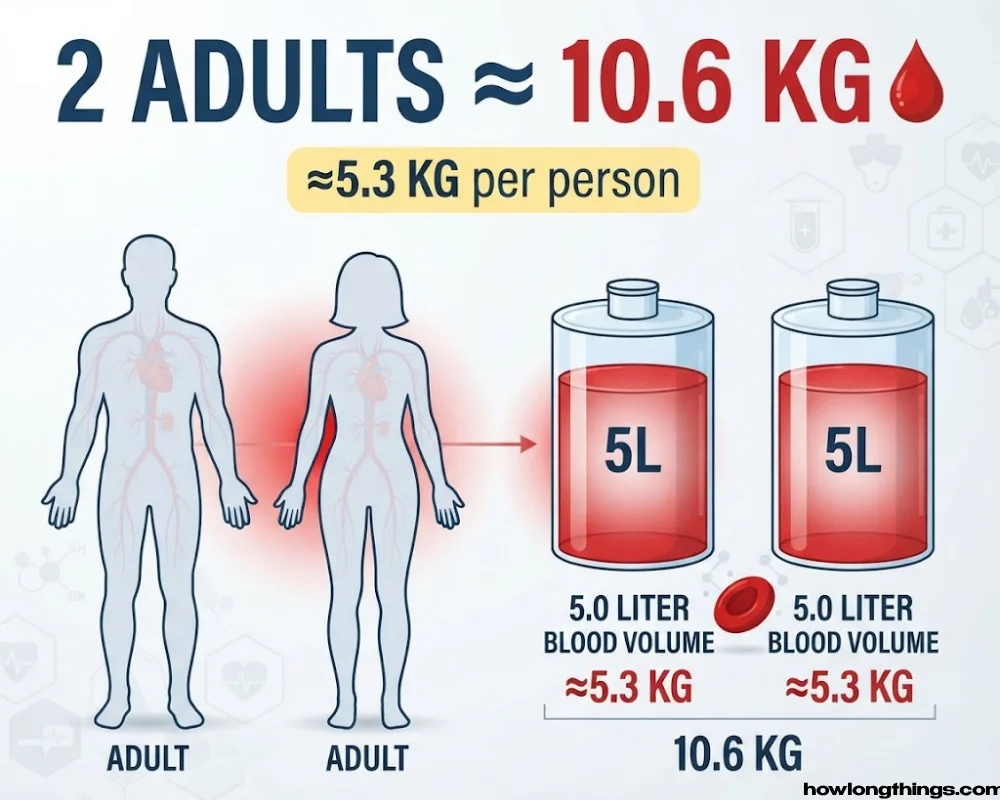
The Combined Blood Weight of Two Adults
The average adult carries about 5 liters of blood, and blood has a density of roughly 1.06 kg per liter. That puts one person’s blood at about 5.3 kg, meaning two adults’ blood combined lands close to 10.6 kg.
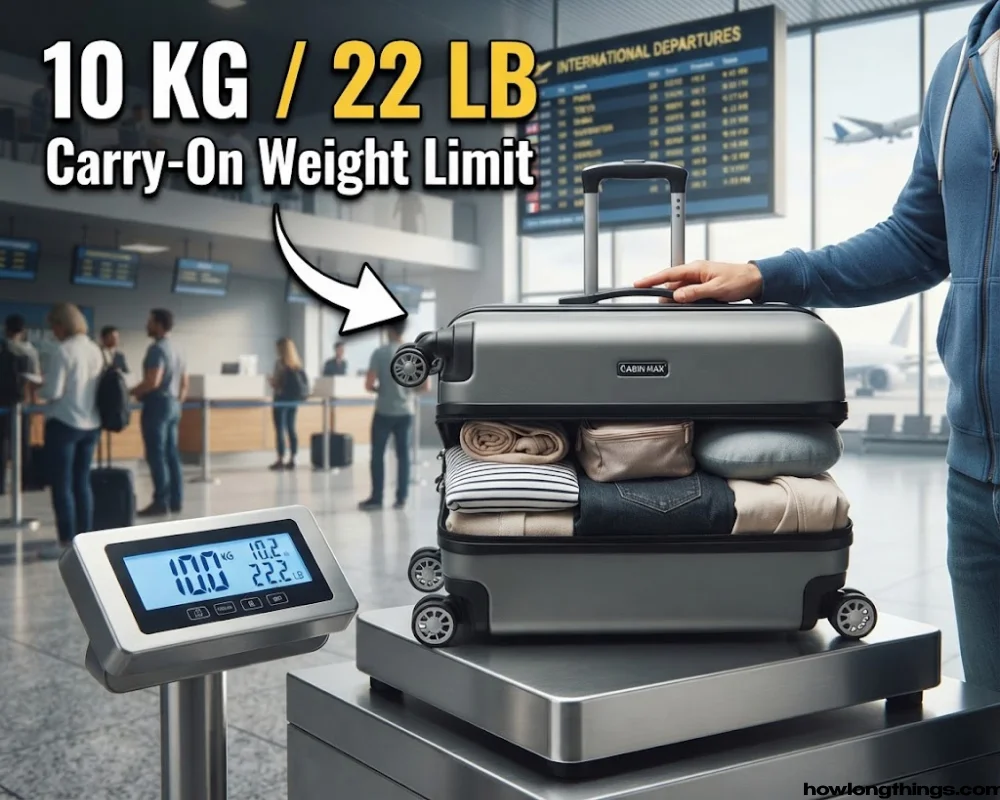
An International Carry-On Suitcase Limit
Many international airlines outside the U.S. cap carry-on luggage at exactly 10 kg. Most U.S. domestic carriers use size limits rather than strict kg caps, so this comparison matters most if you’re flying internationally from an American airport.
Is 10 kg very heavy? For most healthy adults, no — it’s moderate. You can carry it a short distance without strain, but holding it overhead repeatedly will tire your shoulders fast.
How heavy does 10kg feel? That depends on three things: how the weight is distributed, how far it sits from your body, and how long you’re holding it. A dense, compact 10 kg dumbbell feels far more manageable than 10 kg of shifting groceries in a loose bag.
According to lifting research from the National Institute for Occupational Safety and Health (NIOSH), a load’s perceived weight increases sharply the farther it moves from your torso. This is why carrying a 10 kg backpack for two hours can feel far heavier than deadlifting the same 10 kg off the floor for a few seconds.
Grip stability also plays a role. A rigid object like a dumbbell transfers force predictably, while a squirming pet or an unbalanced suitcase forces your muscles to constantly readjust — making the same 10 kg feel noticeably heavier.
Is 10 Kg Heavy for Lifting? Can You Build Muscle With It?
Is 10 kg heavy for lifting? For beginners, yes — it’s a genuinely useful starting weight for upper-body exercises like shoulder presses and bicep curls. For intermediate lifters, 10 kg often works better as a light or warm-up weight rather than a primary training load.
Will 10kg weights build muscle? Yes, particularly for beginners or for smaller muscle groups like biceps, shoulders, and calves. Muscle growth depends on progressive overload — gradually increasing reps, sets, or resistance over time — so 10 kg can absolutely build strength, but only if you keep challenging the muscle as it adapts.
For larger muscle groups like the back or legs, 10 kg tends to feel light fairly quickly. Many lifters use it for higher-rep accessory work (12 to 20 reps) rather than heavy compound lifts, where it wouldn’t provide enough resistance to keep progressing.
FAQs About 10 Kg Weight
Is 10 kg very heavy?
No, not for most healthy adults. 10 kg is considered a moderate weight — manageable to carry short distances, but tiring if lifted overhead repeatedly or held for a long period.
How heavy does 10kg feel?
It depends on the object’s shape and how it’s carried. A compact, balanced 10 kg item (like a dumbbell) feels lighter than a shifting or awkward 10 kg load, like a squirming pet or an overstuffed bag.
How heavy is a 10kg example?
A 10 kg example is roughly the weight of a large watermelon, a 10-liter water jug, an adult French Bulldog, or a healthy 1-year-old baby. These real-world comparisons make the abstract number easy to picture.
Is 10 kg heavy for lifting?
For beginners, 10 kg is a solid, moderately challenging lifting weight, especially for arms and shoulders. For experienced lifters, it usually functions better as a warm-up or high-rep accessory weight.
Will 10kg weights build muscle?
Yes. 10 kg dumbbells can build muscle, particularly for smaller muscle groups and beginner lifters, as long as you apply progressive overload by increasing reps or sets over time.
Final Thoughts
10 kg (22.05 lbs) shows up more often than most people realize — from your grocery bag to your gym bag to your own toddler. Once you connect it to something real, like a watermelon or a dumbbell, the number stops feeling abstract. Next time someone asks how heavy 10 kg really is, you’ll have 22 solid answers ready to go.
Elizabeth Queen is a Owner and consumer research writer at HowLongThings.com, specializing in product lifespan, durability, and everyday household research. She’s passionate about helping readers make smarter, longer-lasting buying decisions.